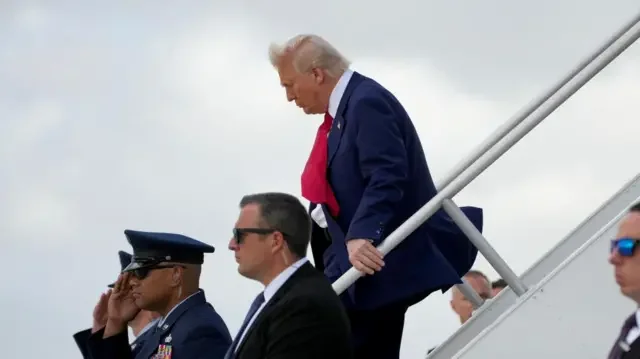
Markets Face Uncertainty After Tariff Announcement
Stock markets worldwide, including the US dollar and Bitcoin, experienced a notable downturn following President Donald Trump's announcement of new global tariffs. This development has sparked concerns about the potential for a global trade war and its impact on economic growth. While some reports indicate a rebound following stimulus measures, the long-term effects of these tariffs remain a subject of analysis.

Background of the Tariffs and Market Reaction
The period around early April 2025 saw significant market volatility linked to President Trump's trade policies. On April 3rd, major US stock markets opened with sharp losses, with some indexes recording their worst one-day declines since the COVID-19 pandemic began. This broad market drop extended to European stock markets and affected cryptocurrency values, with Bitcoin also weakening. The US dollar also saw a decrease.

April 3, 2025: US stock markets experienced significant losses on the first trading session after the announcement of sweeping tariffs by President Trump.
Timing of the Announcement: The tariffs were unveiled on April 2nd, leading to immediate market declines.
Economic Impact Fears: Experts raised concerns that the tariffs could threaten economic growth and employment by increasing costs for businesses relying on imported raw materials.
Global Reach: The tariffs affected a wide range of countries, leading to threats of retaliation from foreign leaders.
Evidence of Market Downturn
Multiple news outlets reported sharp declines across global financial markets in the immediate aftermath of President Trump's tariff announcements.
Read More: Netflix Defends Warner Bros. Bid as Paramount Offers More Money on February 20
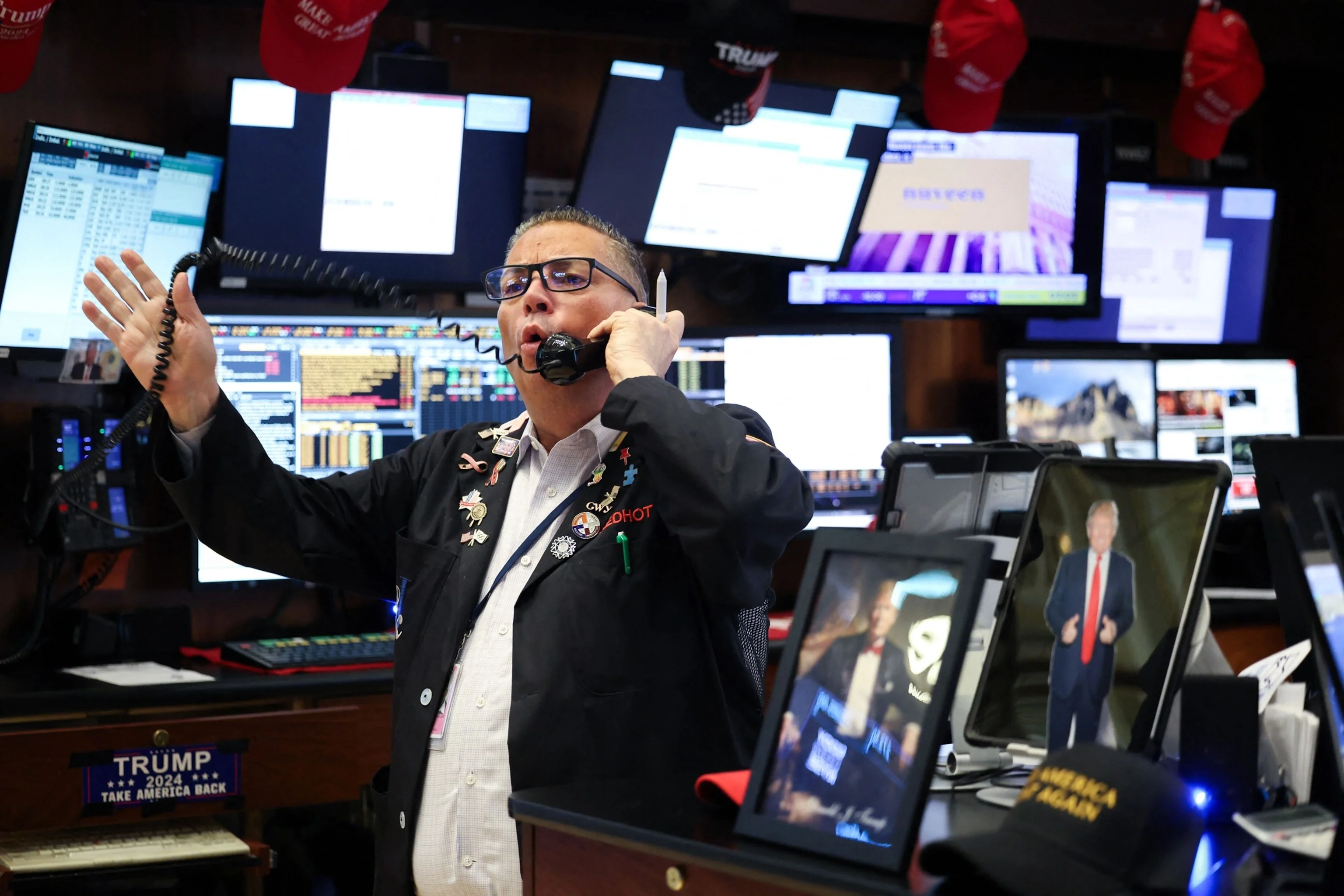
US Stock Market Performance: Major US stock indexes, including the Dow Jones Industrial Average, S&P 500, and Nasdaq, suffered substantial one-day losses. For instance, the Dow Jones industrial average lost 9.2%, the S&P 500 fell 10.5%, and the Nasdaq tumbled 11.4% in the two trading days following the announcement on Wednesday, April 2nd. This represented the worst performance for some indexes since the COVID-19 pandemic.
International Markets: European stock markets also experienced drops, and the US dollar weakened. Bitcoin's value also decreased.
Investor Sentiment: Reports suggested that the tariffs rattled the global trading order, leading to fears of a deepened international trade war and potential recession.
Supreme Court Ruling on Previous Tariffs
A ruling by the US Supreme Court on Friday, February 21st, 2026, added another layer of complexity. The court, in a 6-3 decision, declared tariffs enacted by President Trump under the International Emergency Economic Powers Act (IEEPA) to be illegal. The implications of this ruling on future trade policy remain unclear.

Differing Perspectives on Market Impact
While initial reports focused on market declines, subsequent events and official statements presented a more nuanced picture.
Negative Market Reaction
Broad Declines: Reports from early April 2025 consistently detailed sharp drops in US and global stock markets. The severity of these losses, with some indexes experiencing their worst day since 2020, highlighted investor apprehension.
Economic Concerns: Economists and experts expressed fears that the tariffs could lead to a recession and negatively impact corporate profits by increasing the overall drag on the economy.
Foreign Relations: The announcement also elicited threats of retaliation from foreign leaders, signaling potential trade disputes.
Official Reassurance and Market Rebound
White House Message: The White House conveyed a message of confidence, with President Trump reportedly touting a potential stock market "boom." He stated, "The markets are going to boom, the stock is going to boom, the country is going to boom."
Stimulus and Federal Reserve Actions: Following the market's rapid tumble, a rebound occurred. This recovery was attributed, in part, to the approval of stimulus payments for Americans and measures taken by the Federal Reserve, which boosted the economic outlook.
Easing of Certain Tariffs: Investors also reacted positively to President Trump's subsequent moves to ease tariffs on specific items like autos and electronics, indicating a potential shift or adjustment in trade policy.
UK Specifics: President Trump mentioned openness to negotiations if other countries "offer something phenomenal" and noted that the UK had accepted a 10% tariff, which he described as the lowest possible levy.
Expert Analysis on Tariff Strategy
The long-term effects of President Trump's tariff policies have been a subject of ongoing analysis.
"The implications are far from clear." - Unicredit analysis, referencing the Supreme Court ruling.
Oxford Economics, a global economic forecasting company, pointed to the overall drag that tariffs would place on the economy and, ultimately, corporate profits. However, President Trump's consistent stance, as indicated by his comments, suggested a continued commitment to using tariffs as a policy tool. This "off-again-on-again" approach to tariffs has been noted as a factor contributing to market volatility.
Read More: Australia May Criminalize Aid To IS Families, Mar-a-Lago Intruder Shot Dead
Conclusion and Future Outlook
The period following President Trump's announcement of global tariffs was marked by significant market turbulence, including drops in stock prices, the US dollar, and Bitcoin. Concerns about a potential trade war and economic slowdown were prevalent among investors and analysts.
However, the market also demonstrated resilience, with evidence of a rebound following stimulus measures and Federal Reserve actions. The Supreme Court's ruling against previous tariffs adds a legal dimension to the ongoing trade policy discussions. The stated intention of President Trump to continue utilizing tariffs, alongside the response of other nations and the impact of subsequent policy adjustments, suggests that market volatility may persist. The full economic consequences of these actions are still unfolding and subject to ongoing observation.
Key Sources and Context
The Guardian: Published an hour before the current report, it details the immediate impact of the tariffs on the US dollar, European stocks, and Bitcoin, and mentions the Supreme Court ruling against previous tariffs.
Link: https://www.theguardian.com/business/live/2026/feb/23/us-dollar-stock-markets-losses-trump-global-tariff-supreme-court-news-updates
BBC News: Reported on April 1st, 2025, that major US stocks saw their biggest losses since 2020 after Trump's tariffs announcement, and also noted the contrasting stance of Mexico on retaliation.
Sky News: Published on April 3rd, 2025, detailing sharp drops in stock markets globally following the announcement and quoting economists fearing a recession.
Link: https://news.sky.com/story/stock-markets-suffer-sharp-drops-after-donald-trump-announces-sweeping-tariffs-13341308
AP News: Published on May 4th, 2025, discussing how the stock market recovered losses and framed Trump's approach to tariffs as potentially temporary pauses.
Link: https://apnews.com/article/trump-tariffs-stock-market-bonds-dollar-pause-5409392268729ba0ada7077d0eea9e4e
ABC News: Reported on April 3rd, 2025, on major losses in US stocks during the first trading session after Trump's tariff announcement, and expert concerns about economic growth.
Link: https://abcnews.com/US/us-stock-futures-plummet-wake-trumps-tariffs-announcement/story?id=120431557
NPR: Published on August 1st, 2025, linking stock market drops to the unveiling of steep tariffs and a weaker-than-expected jobs report.
Link: https://www.npr.org/2025/08/01/nx-s1-5488804/stocks-trump-tariffs-economy
USA Today: Published on April 5th, 2025, detailing the worst market losses since the pandemic following Trump's tariff plans and mentioning subsequent rebounds.
Link: https://www.usatoday.com/story/graphics/2025/04/04/stock-markets-tumble-trump-tariffs-dow/82877494007/