


As of today, May 16, 2026, President Donald Trump has departed Beijing following a two-day summit with President Xi Jinping. The meetings focused on an attempt to arrest the degradation of bilateral ties through a series of "fantastic" trade arrangements, though core strategic fractures remain largely untouched.

The summit produced no formal concessions on the status of Taiwan, with President Trump explicitly stating he made no commitments regarding the territory during his discussions with Xi.

Key Summit Outcomes
| Issue | Status of Discussion |
|---|---|
| Trade | "Fantastic deals" reported; focus on opening markets. |
| Taiwan | Discussed, but no official commitments made by the U.S. |
| Iran/Oil | U.S. seeking Chinese leverage to reopen Strait of Hormuz. |
| Tech/AI | Standoff over export controls vs. China’s self-reliance. |
| Rare Earths | Negotiations ongoing regarding export restrictions. |
Trade and Market Access: The administration entered the summit aiming to secure purchases of American farm products and expand business access. While Goldman Sachs and other market observers anticipated the focus, the long-term impact of current tariffs and Chinese domestic industrial subsidies remains a source of friction.
Geopolitical Leveraging: A central U.S. goal is the use of Chinese leverage over Tehran to address the ongoing crisis in the Strait of Hormuz.
Technological Competition: Despite U.S. export controls, China’s DeepSeek has successfully trained models on domestically produced Huawei semiconductors, highlighting the limits of current containment efforts.
Fragile Stability and Future Engagement
While the immediate rhetoric from both capitals centers on "stabilizing" the world's most significant bilateral relationship, analysts suggest that structural competition—ranging from transnational repression to rare earth supply chains—prevents a true reset.
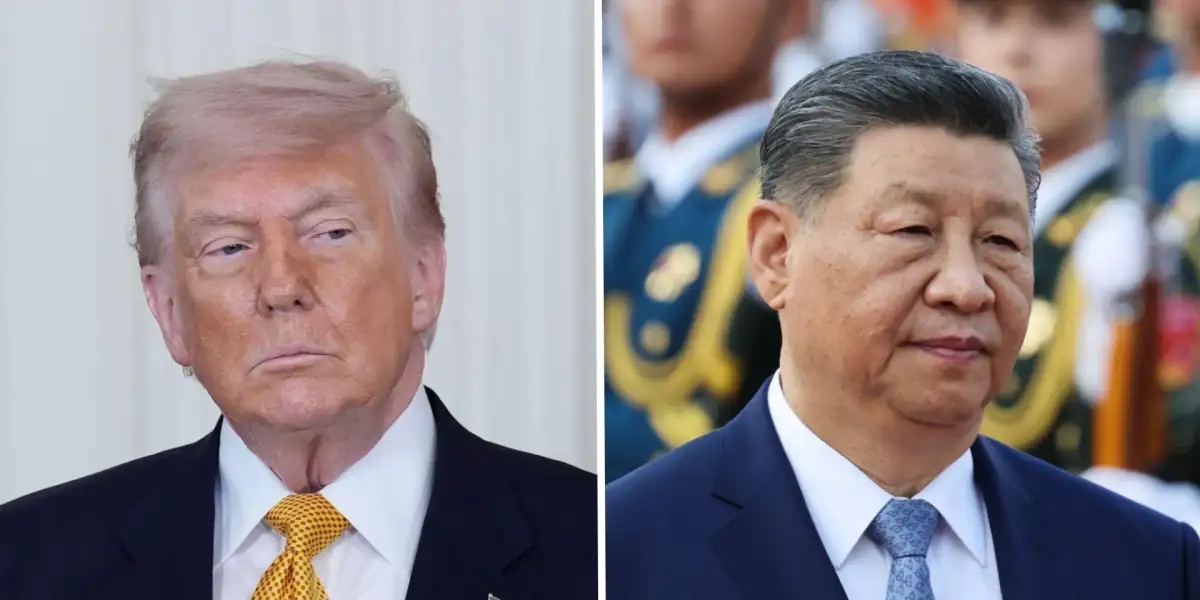
The two leaders have discussed a potential follow-up meeting in the United States, tentatively proposed for September 24. This suggests that the current Beijing visit is intended to function as a framework for sustained, if contentious, diplomatic contact rather than a resolution of underlying systemic competition.
Read More: Blanche Recusal Order Affects Justice Dept. Work

Background: The 2026 summit marks the first time a U.S. president has set foot in China in nearly a decade. Negotiations have been underscored by persistent concerns over Taiwan, which remains the primary catalyst for regional military volatility, and the growing divide between American export restrictions and China's drive for autonomous technological infrastructure.


