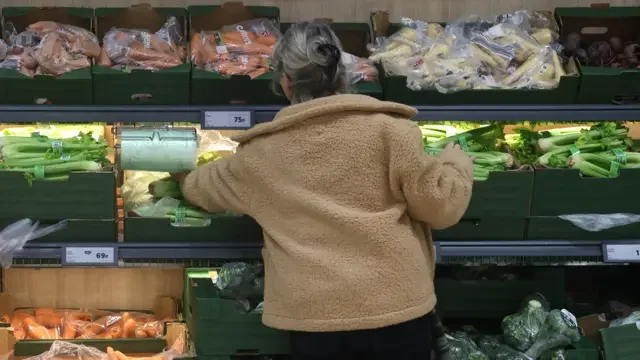
Official reports show that the speed of price rises in the UK may have slowed down in January. This follows a period where costs for everyday items like food and clothes began to rise less quickly. For many people, this is a sign that the high cost of living might be starting to ease. While prices are still going up, they are not increasing as fast as they were last year.
Bank experts and the government are watching these numbers closely. If the trend continues, it could lead to changes in how much it costs to borrow money for houses or cars. However, some parts of the economy, like the job market for young people, still show signs of struggle.
Tracking the Change in Prices
The Office for National Statistics (ONS) tracks how much things cost across the country. Over the last several months, the rate of inflation has changed several times.
Read More: Middle East conflict may lower Africa's 2026 growth by 0.2%, says UN report
In November 2025, the inflation rate fell to 3.2%, which was the lowest in eight months.
In December 2025, the rate went back up slightly to 3.4%.
On February 18, 2026, new data for January is expected to show another drop.
"Although the inflation rate has eased, it doesn't mean overall prices are reducing - just that they are rising less quickly." — Faisal Islam, BBC Economics Editor.
The core trend shows that while the "squeeze" on bank accounts continues, the pace of the problem is becoming more manageable for some sectors.
| Date | CPI Inflation Rate | Main Cause of Change |
|---|---|---|
| Nov 2025 | 3.2% | Lower prices for food, alcohol, and clothes. |
| Dec 2025 | 3.4% | First increase in five months. |
| Jan 2026 | Expected Fall | Predictions suggest a near one-year low. |
Drivers of Lower Inflation
Official records and bank reports point to a few specific reasons why inflation is moving down.
Lower Costs for Essentials: In late 2025, the price of food, alcohol, and clothing did not go up as much as usual. This helped bring the overall inflation number down to 3.2% in November.
Waning Pressures: Large businesses and industry groups say that the pressure to keep raising prices is starting to fade.
Service Sector Stagnation: The UK's large services sector, which includes things like shops and restaurants, did not grow at all in the final three months of 2025. This lack of growth often stops prices from rising quickly.
Different Views on Interest Rates
The Bank of England must decide whether to lower interest rates based on these inflation numbers. There is no clear agreement among the people who make these decisions.

The Case for Lowering Rates
Some experts believe that because inflation is falling, the Bank should lower interest rates soon. They point out that private sector pay growth is slowing down and unemployment is rising. They argue that lower rates would help the economy grow and help people with debt.
The Case for Keeping Rates High
Other officials, such as Huw Pill from the Bank of England, have spoken against cutting rates too early. They worry that if they lower rates now, inflation might go back up. They also point to the "National Budget" measures which some think might keep the cost of living high for a longer time.
Read More: Barclays UK to Open New Branches and Bring Back Bank Managers in 2024
Employment and the Wider Economy
While the inflation news is positive for some, other data shows that many people are still having a hard time.
Youth Jobs: Unemployment for young workers has reached its highest level in over ten years.
Rising Debt: Many people are carrying record amounts of debt on credit cards or loans.
Small Business Owners: People who work for themselves or own small rental properties are worried about new tax changes coming in April.
Could the drop in inflation be offset by the rise in unemployment and personal debt? This remains a central question for investigators looking at the health of the UK economy.
Expert Analysis
Experts from the Financial Times and the BBC suggest that the government is under pressure to show that the economy is stable. Prime Minister Keir Starmer has called the fall in inflation "good news," but other political figures are more cautious.
Robert Jenrick, a figure in the Reform Party, has suggested that the current plans for the economy may not solve the long-term problems of high taxes and low growth. Meanwhile, the Office of Gas and Electricity Markets (Ofgem) is involved in disputes with other countries over energy costs, which could still impact how much people pay for heating and power in the future.
Read More: Assam Semiconductor Plant: Will Jagiroad Jobs Help Local People?
Summary of Findings
The evidence shows that the UK is in a period of "cooling" prices. The jump in December 2025 appears to be a small break in a larger trend of falling inflation.
Inflation is expected to hit a one-year low in the February 2026 report.
Food and clothing prices have been the biggest reason for the slowdown so far.
The Bank of England is split on whether to help borrowers by lowering interest rates or to wait for more proof that prices will stay low.
Job losses and debt remain high, which means a lower inflation rate might not feel like an improvement to every family.
The next official step will be the release of house price and rent data, which will show if the cost of living is also slowing down for people trying to find a place to live.
Sources
The Guardian: UK inflation expected to fall to near one-year low – business live (Report on the expected January inflation drop and market timing).
BBC News: Food prices help drive UK inflation to lowest rate in eight months (Analysis of the 3.2% rate and political reactions).
Office for National Statistics (ONS): Inflation and price indices (Official data tables for CPI and CPIH rates).
Financial Times: UK economy (Reporting on youth unemployment, pay growth, and Bank of England disagreements).