Inflation in the United Kingdom has fallen to 3% in January, the lowest point in nearly a year. This decrease is primarily attributed to lower prices for fuel, food, and airfares, suggesting a cooling of the rapid price increases experienced previously. While this marks a slowdown in the rate at which prices are rising, it is important to note that prices themselves have not decreased. The reduction offers a glimmer of hope for potential interest rate cuts, as the Bank of England seeks to manage economic growth.
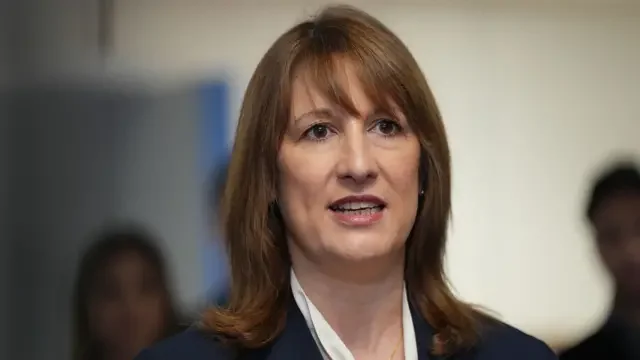
The Office for National Statistics (ONS) reported that the Consumer Prices Index (CPI) stood at 3% for the year to January. This is a notable drop from 3.4% in December. The figures align with forecasts from many economists, who anticipate inflation may return to the Bank of England's 2% target later this year. Chancellor Rachel Reeves has welcomed the news, emphasizing her commitment to reducing the cost of living for the public.
Read More: Middle East conflict may lower Africa's 2026 growth by 0.2%, says UN report
Key Factors Driving the Inflation Drop
The ONS identified several key areas contributing to the decrease in the inflation rate:
Fuel Prices: A significant reduction in petrol and oil prices played a major role. Data from the ONS on RPI for petrol and oil shows a percentage change over 12 months, indicating the trend in these costs.
Food Prices: Lower food prices also contributed to the easing of inflation.
Airfares: A decrease in the cost of air travel was another significant downward pressure.
Government Measures: Policies implemented in the November budget, such as reductions in energy bills and a freeze on rail fares, are expected to have a continued effect, potentially lowering inflation further in April.
Economic Implications and Future Outlook
The drop in inflation has spurred discussion about the possibility of interest rate cuts by the Bank of England. With the economy showing signs of slowing growth, policymakers may consider lowering the benchmark interest rate, currently at 3.75%, to stimulate activity. Some economists predict that rate cuts could occur as early as March, with the potential for further reductions later in the year.

Core inflation, which excludes volatile items like energy, food, alcohol, and tobacco, also saw a slight decrease, standing at 3.1% in January, down from 3.2% in December. This suggests that the easing of price pressures may be extending beyond just energy costs.
Voices on the Economic Shift
Chancellor Rachel Reeves stated, "Cutting the cost of living is my number one priority." She further elaborated, "Thanks to the choices we made at the Budget we are bringing inflation down, with £150 off energy bills, a freeze in rail fares for the first time in 30 years and prescription fees frozen again. Our economic plan is the right one, to cut the cost of living, cut the national debt, and create the conditions for growth and investment in every part of the country."
Read More: Boys in UK Face Role Model Gap, Lower Happiness Levels Since 2009

Lindsay James, investment strategist at Quilter, commented that the drop in inflation would be welcome news for the government.
Nuances of Inflation Data
It is crucial to understand that a falling inflation rate does not mean prices are decreasing. Instead, it signifies that prices are rising at a slower pace than in the previous year. For instance, December's uptick in inflation was attributed to seasonal factors like Christmas airfares and an increase in tobacco tax. The current downward trend is seen as more persistent, driven by broader price reductions.

Expert Analysis and Future Expectations
City economists largely anticipated the drop in inflation, with many expecting it to move swiftly towards the Bank of England's 2% target. The Bank's Monetary Policy Committee has faced close votes in recent months, indicating a divided view on the timing and necessity of economic stimulus. The current inflation data may provide further impetus for a rate cut.
Read More: Assam Semiconductor Plant: Will Jagiroad Jobs Help Local People?
Conclusion
The United Kingdom's inflation rate has demonstrably fallen to 3% in January, marking a significant deceleration in price growth. This positive development is supported by reductions in key areas like fuel, food, and airfares. The decrease bolsters hopes for a potential cut in interest rates by the Bank of England, which could provide a boost to the economy. However, the fundamental understanding remains that while the rate of price increase has slowed, prices themselves continue to rise. Further economic data, including Purchasing Managers' Index (PMI) figures, will be closely watched in the coming weeks for a clearer picture of the UK's economic trajectory.
Sources Used:
The Mirror: Article titled "Inflation drops to near one-year low as price rises ease - live updates" published recently.🔗 https://www.mirror.co.uk/money/inflation-uk-falls-economy-live-36736884
The Guardian: Article titled "UK inflation falls to 3%, giving hopes of early cut in interest rates" published recently.🔗 https://www.guardian.co.uk/business/2026/feb/18/uk-inflation-falls-interest-rates-bank-of-england
The Guardian: Article titled "UK inflation falls to near one-year low of 3% thanks to cheaper petrol and air fares – business live" published recently.🔗 https://www.guardian.co.uk/business/live/2026/feb/18/uk-inflation-fall-cost-of-living-interest-rates-house-prices-rents-news-updates
BBC News: Article titled "UK inflation rate falls to 3% in year to January - follow live" published recently.🔗 https://www.bbc.com/news/live/cg4gzr56wd2t
BBC News: Article titled "UK inflation falls to 3% in January" published recently.🔗 https://www.bbc.com/news/articles/c5yg04jg1n5o
CNBC: Article titled "UK inflation cools markedly in January, boosting odds of Bank of England rate cut" published recently.🔗 https://www.cnbc.com/2026/02/18/uk-inflation-cools-jan-2026-boe-cut.html
Morningstar UK: Article titled "What to Expect from January’s UK Inflation Data" published 2 days ago.🔗 https://global.morningstar.com/en-gb/economy/what-expect-januarys-uk-inflation-data
MoneyWeek: Article titled "Did UK inflation fall in January?" published 16 hours ago.🔗 https://moneyweek.com/economy/inflation/uk-inflation-january-2026
BBC News: Article titled "UK inflation rises in January as fuel price fall eases" published on February 16, 2016. (Note: The publication date of this article appears to be historical relative to the current inflation report, but its content about past trends was included.)🔗 https://www.bbc.co.uk/news/business-35586431
BBC News: Article titled "UK inflation falls as price of petrol drops" published on April 16, 2025. (Note: The publication date of this article appears to be historical relative to the current inflation report, but its content about past trends was included.)🔗 https://www.bbc.com/news/articles/c4g2eyp79y3o
Office for National Statistics (ONS): Time series data for RPI: Percentage change over 12 months - Petrol and Oil incl Fuel Oil, published 1 month ago.🔗 https://www.ons.gov.uk/economy/inflationandpriceindices/timeseries/dogq/mm23
BBC News: Article titled "UK inflation rises for first time in five months - but one-off factors blamed" published 1 month ago.🔗 https://www.bbc.co.uk/news/articles/cnvg251g25yo