


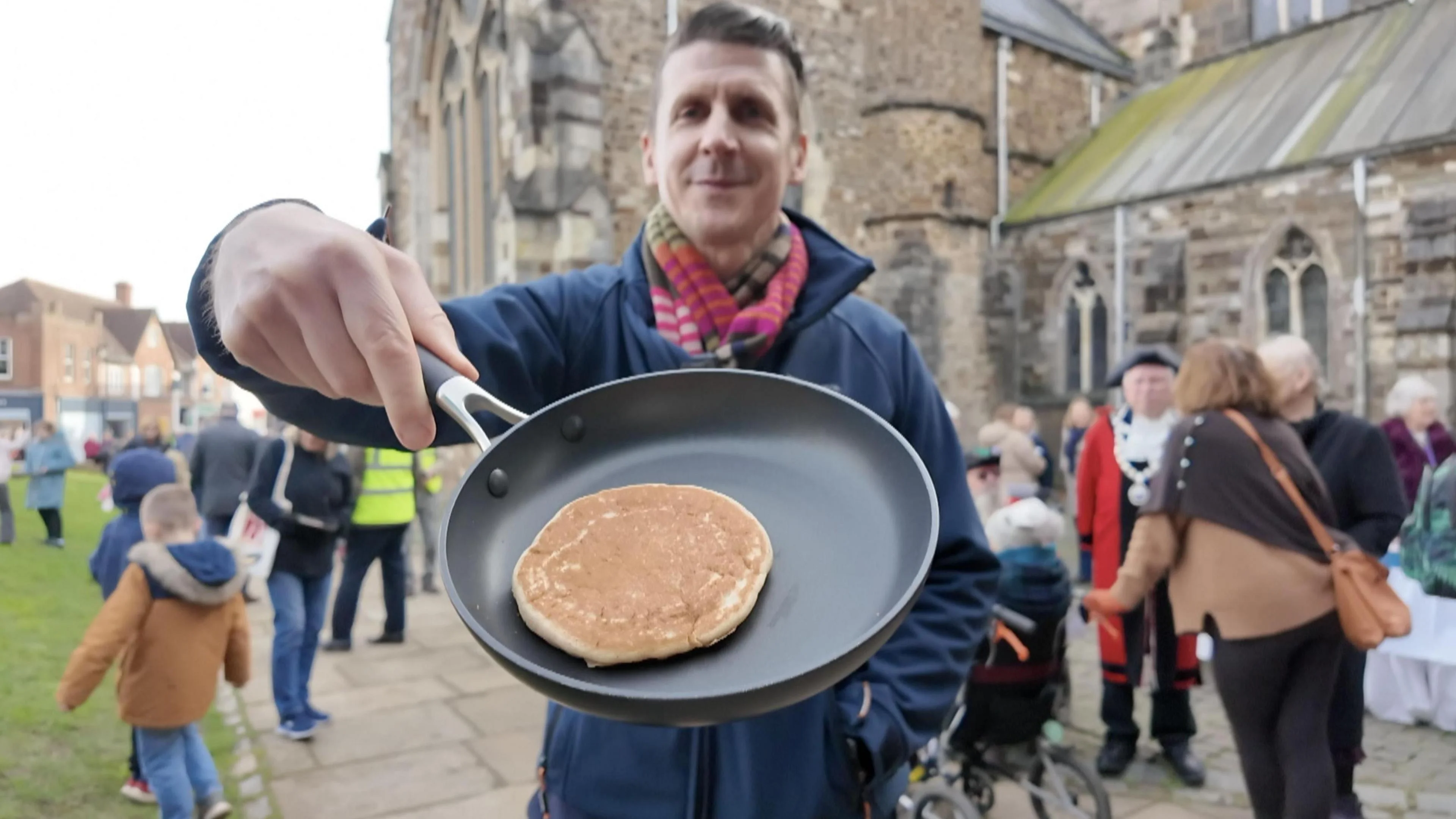
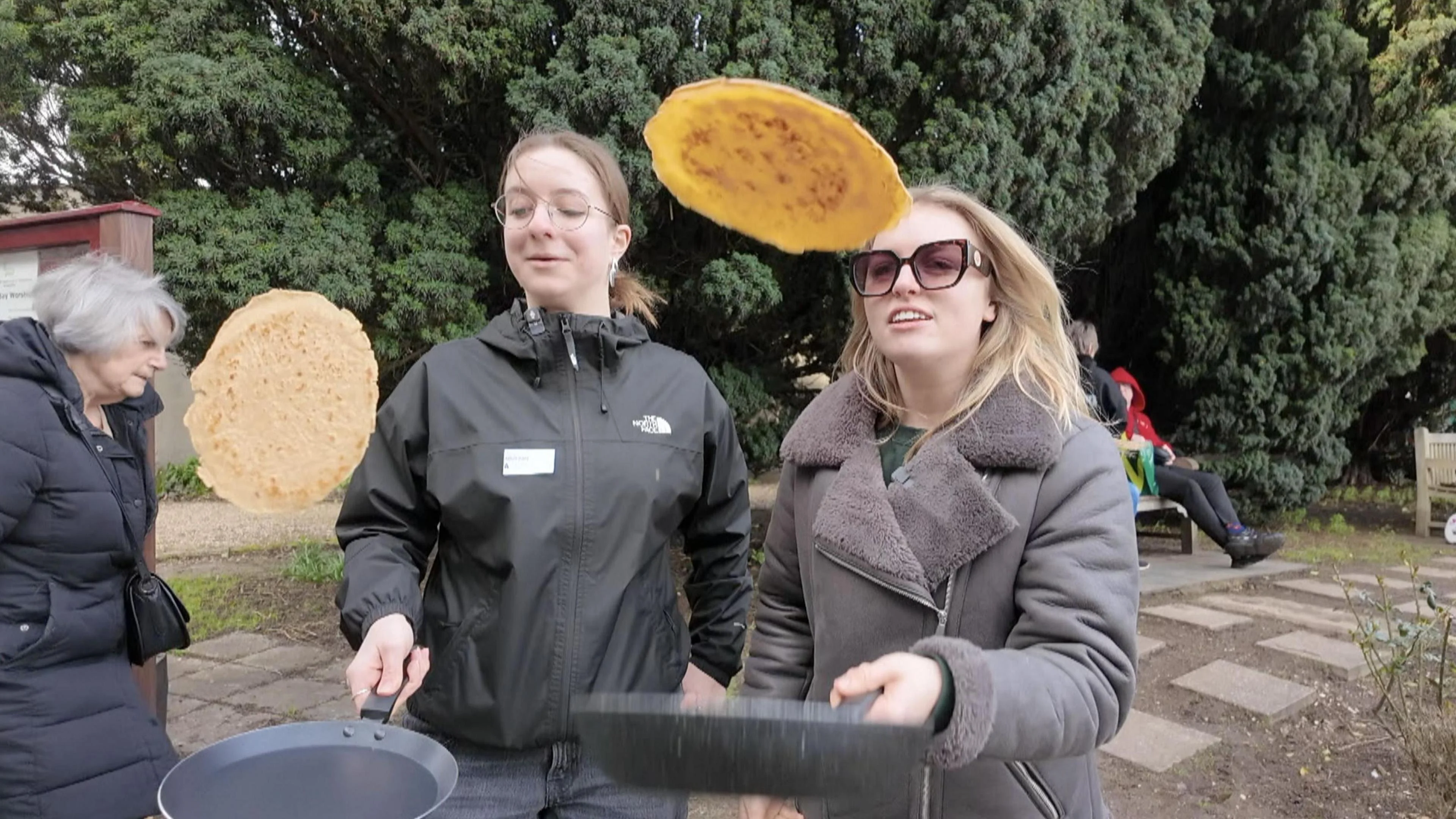
On Tuesday, crowds gathered across the United Kingdom to watch participants run through streets and church yards while flipping pancakes in frying pans. This event, known as Pancake Day or Shrove Tuesday, is the final day before the Christian season of Lent begins. Participants, often dressed in unusual costumes, must balance a pancake in a pan while running a set distance. The rules are simple but strict: runners must flip their pancakes at specific points or risk being disqualified. This activity marks the end of a period of eating rich foods before 40 days of religious fasting and prayer. While the races appear to be a lighthearted game, they involve historical groups and draw thousands of spectators. The events represent a long-standing balance between ancient religious practice and modern public celebration.
The Seasonal Transition to Lent
Shrove Tuesday serves as the final day of "Shrovetide," which is the period leading up to the start of Lent on Ash Wednesday. Historically, this was a day for Christians to reflect on their actions and use up perishable ingredients like eggs, milk, and butter. Because these items were not allowed during the 40-day fasting period before Easter, they were combined into pancakes.
Read More: Andhra University Shatabdi Mahotsav April 6-8 brings cultural shows to Visakhapatnam
Timing: The date changes every year based on the lunar calendar, falling exactly 47 days before Easter. In 2025, the event took place on March 4.
Purpose: The tradition began as a way to clear the kitchen of "fatty" foods, which is why the day is also called "Fat Tuesday" in other cultures.
Geographic Reach: While the UK, Ireland, Australia, and Canada call it Pancake Day, other countries celebrate similar traditions under different names, such as Mardi Gras.
Recorded Participation and Event Data
Recent reports from London and smaller towns show high levels of public interest in these races. Organizations ranging from local churches to ancient trade guilds manage the events.
| Event Location | Participants | Key Feature |
|---|---|---|
| Guildhall Yard, London | Livery Company Teams | Costumes included skyscrapers and beekeepers. |
| Olney, Buckinghamshire | Local Women | A 600-year-old tradition with specific clothing rules. |
| Wimborne, Dorset | Over 100 runners | Runners stop at the four corners of The Minster church. |
| Winchester Cathedral | Clergy and Choristers | A 164-foot course run around the cathedral grounds. |
The core signal is that Pancake Day has shifted from a private religious meal to a public, organized sporting event that supports local charities and community groups.
The Competition in Olney and the Kansas Connection
The town of Olney in Buckinghamshire is home to what is widely considered the most famous pancake race in the world. Local records suggest this race has happened since at least 1445. According to tradition, the race began when a woman, busy making pancakes, heard the church bells and ran to the service still holding her frying pan.
Strict Regulations: In Olney, the race is traditionally for women who have lived in the town for at least three months. They must wear a skirt and a headscarf.
The Kansas Link: Since 1950, Olney has competed in an "International Pancake Race" against the town of Liberal, Kansas. The two towns compare their fastest times to name an overall winner each year.
Cultural Impact: This specific race has transformed a small village tradition into a global event, showing how local history can gain international attention.
London’s Trade Guilds and Charity Races
In London, the races take on a more formal, yet still humorous, tone. The Inter-Livery Pancake Race at Guildhall Yard involves "livery companies," which are historic trade associations. Some of these guilds have existed for nearly 1,000 years.
Read More: Boys in UK Face Role Model Gap, Lower Happiness Levels Since 2009
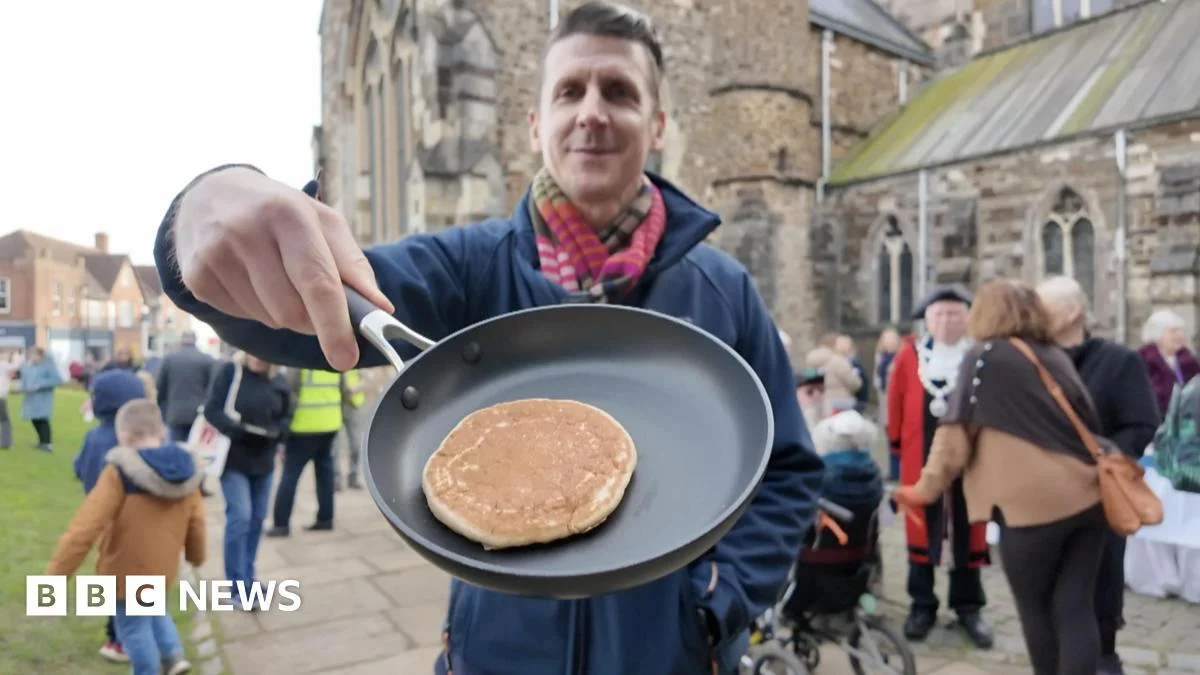
"The spectacle was one of many such pancake races across the U.K. to mark the day before the start of Lent… Winners receive a trophy—as well as a frying pan." — Associated Press (March 4, 2025)
Other London races focus on fundraising. For example, the Better Bankside Pancake Day Race raises money for The Manna Society, a charity providing food, medical care, and clothing to those in need. These events show that while the races are funny, they serve a functional role in supporting local social services.
Religious Participation and Modern Reactions
Unlike many modern festivals, the Church remains an active participant in Pancake Day races. In places like Winchester and Portsea, robed priests and choir members participate in the races within the cathedral or church grounds.

Clergy Involvement: In Winchester, the Rotarians organize the event around the cathedral precincts. In Portsea, some races have even been run along the church nave (the central part of the building).
International Viewpoints: For some, the tradition is confusing. Marla, a German exchange student at the Wimborne race, noted that the tradition does not exist in her home country and described it as "special" after seeing the crowds.
Crowd Growth: Anthony Oliver, an organizer in Wimborne, stated that the 2025 event saw the largest crowd the town had ever hosted for the race.
Expert Analysis of the Tradition
Analysts and historians suggest that the survival of the pancake race is due to its simple requirements and its role as a "final party" before a period of restriction. Historic UK notes that while the religious importance of Lent has changed for many people, the tradition of eating pancakes and racing remains a fixed part of the British cultural calendar.
Read More: Florence Old Tobacco Factory Becomes New Creative Hub with Homes and Schools
The focus on "using up ingredients" is no longer a physical necessity for most households with modern refrigeration, but it remains a symbolic way for communities to mark the change in seasons. The shift from home-based pancake making to public racing suggests a move toward using traditional holidays as tools for community building and local tourism.
Final Summary of Findings
Pancake Day continues to be a major cultural event in the United Kingdom, combining historical religious meaning with public entertainment.
Key Actors: Events are driven by a mix of local residents (Olney), trade guilds (London), and religious leaders (Winchester).
Global Status: The tradition has spread beyond the UK, most notably through the international competition with Liberal, Kansas.
Social Function: Modern races serve two main purposes: maintaining a 600-year-old cultural identity and raising funds for local charities.
Next Steps: Following the races, the observation of Lent begins on Ash Wednesday. Communities will transition from public celebrations to the 40-day period of fasting and reflection leading up to Easter.
Primary Sources and Context
Shrove Tuesday - Wikipedia: Provides the official dates for the holiday through the year 2100 and explains the religious background of the 16th-century tradition.
Crowds cheer as runners with frying pans race - AP News: Covers the 2025 London Guildhall races and the involvement of livery companies.
Pancake day: More than 100 people enter annual race - BBC News: Details the Wimborne, Dorset race and the victory of Stuart Faulkner.
Pancakes On The Run - Religion Unplugged: Documents the involvement of cathedral staff and clergy in racing traditions.
The History of the Olney Pancake Day Race - Discover Britain: Explains the 600-year-old history of the Olney race and its connection to Kansas.
Shrove Tuesday aka Pancake Day in London - Guide London: Lists various race locations in London, including Greenwich Market and Leadenhall Market.




(120).jpg)
