Prime Minister Keir Starmer has reversed a decision to delay local elections in 30 council areas across England. This change of course follows a court challenge from Reform UK and significant internal and external criticism. The original plan, announced just weeks before the scheduled elections, was to postpone them due to local government reorganisation. However, the government has now agreed to proceed with the elections as planned and will cover Reform UK's legal expenses, reportedly a substantial six-figure sum.
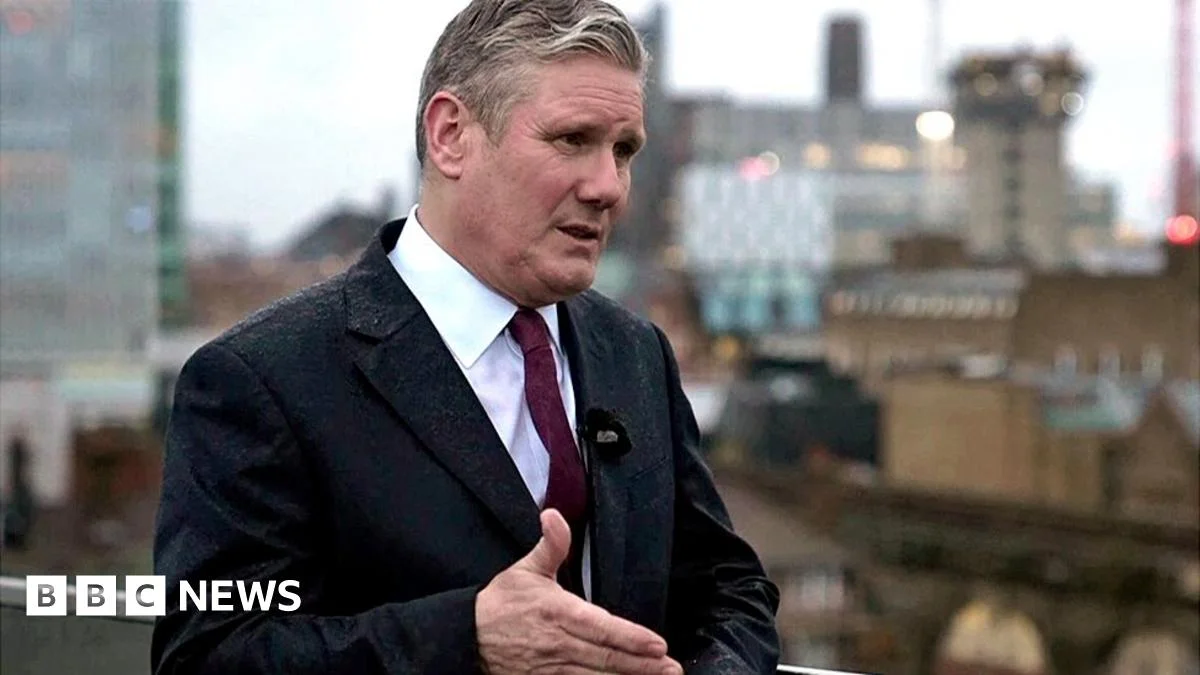
Background of the Election Delay Plan
The initial plan to postpone elections in 30 English councils was intended to align with ongoing local government reorganisation.
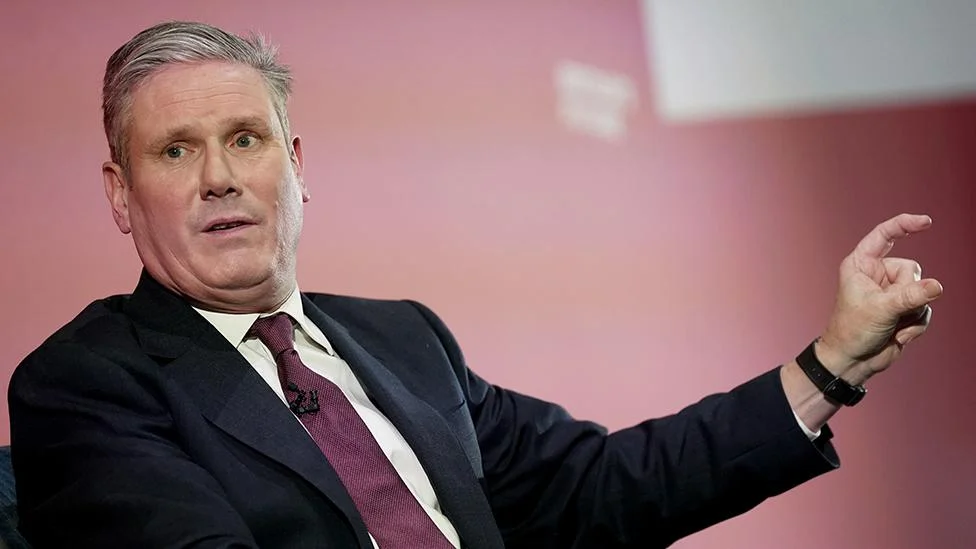
Several councils had successfully delayed their local elections the previous year to manage these reorganisation plans.
The decision to postpone the May elections for 30 councils sparked considerable debate and dissatisfaction.
Reform UK launched a legal challenge against this postponement.
The Reversal and its Fallout
Following the legal challenge, the government quickly abandoned its plan to delay the elections, a move that has drawn mixed reactions.
Read More: London Labour Councillors Join Green Party Due to Starmer's Policies Before May Elections
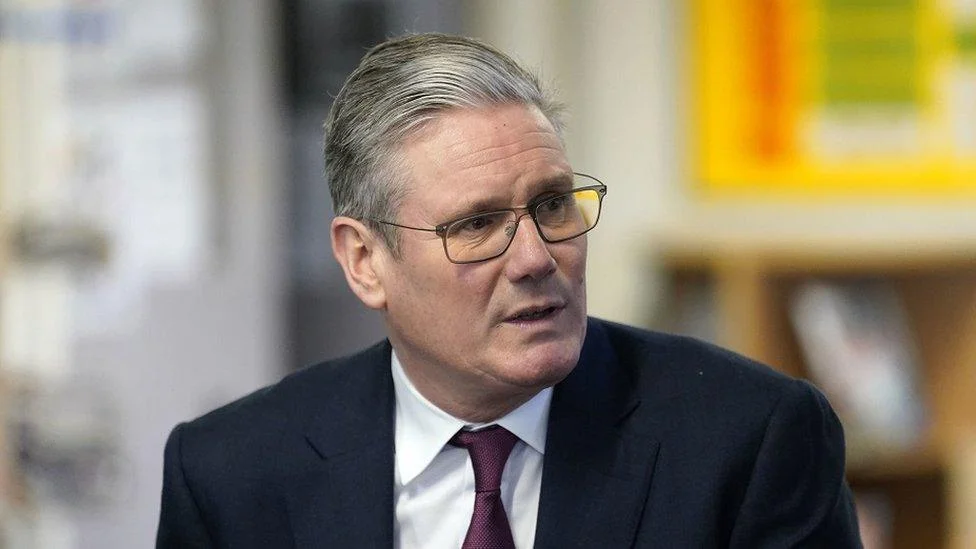
Reform UK views the reversal as a success, potentially offering them an advantage in upcoming contests in areas like Basildon and Thurrock.
Within Labour, the U-turn has reportedly caused frustration among party colleagues.
Some councillors, particularly in Labour-run councils like Basildon, expressed anger and confusion, having prepared for cancelled elections.
The government's decision to cover Reform UK's legal costs has also become a point of discussion.
Political Implications of the U-Turn
The reversal on local election delays is the latest in a series of policy changes attributed to Prime Minister Starmer, raising questions about political strategy and leadership.
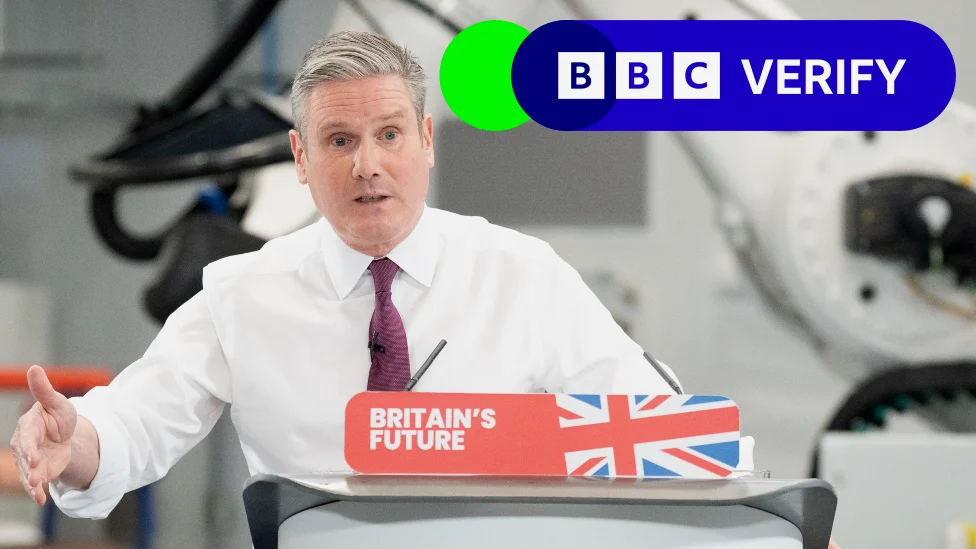
Opponents have characterized these changes as indecisiveness or a lack of clear direction.
Supporters argue that changing course when circumstances demand it is a sign of pragmatism, not weakness.
The upcoming local elections, now with more seats contested than initially planned, present both opportunities and risks for the Prime Minister.
The repeated policy shifts have been linked to the party's performance in previous elections, suggesting a strategy to adapt to public sentiment or electoral challenges.
Expert Analysis on U-Turns
Political commentators have observed a pattern of policy reversals during Keir Starmer's premiership.
Read More: UK Inflation Drops to 3% in January, Lowering Costs for Families
"He has no sense of timing. He had heard he had been offering the Tories some advice just before his defection." - John Crace, The Guardian
"The only place that regards changing your mind when circumstances change as a bad thing is Westminster." - Keir Starmer, quoted in BBC News
Some analysts suggest that frequent U-turns can undermine a leader's credibility, making them appear unreliable.
Others contend that adapting policy based on new information or challenges is a necessary part of effective governance.
The timing and context of these reversals are often debated, with some seen as responses to public pressure or electoral setbacks.
Conclusion
The decision to reverse the delay of local elections in 30 English councils highlights the complex political landscape Prime Minister Keir Starmer navigates. The challenge from Reform UK and the subsequent abandonment of the postponement plan underscore the influence of legal challenges and political opposition. The episode also raises broader questions about the strategic value and perception of policy changes in government. The coming local elections will likely be scrutinized for any impact these events may have on voter sentiment and electoral outcomes.
Sources Used:
The Guardian: "Why Starmer’s latest U-turn over local elections could be a gift for Reform" - https://www.theguardian.com/politics/2026/feb/16/starmer-u-turn-local-elections-opportunity-reform-uk
Sky News: "Why Sir Keir Starmer's latest U-turn may see him lose more than just face" - https://news.sky.com/story/why-sir-keir-starmers-latest-u-turn-may-see-him-lose-more-than-just-face-13508358
The Telegraph: "The councils thrown into needless chaos by Starmer’s U-turn" - https://www.telegraph.co.uk/news/2026/02/16/the-councils-thrown-into-needless-chaos-by-starmers-u-turn/
Sky News: "Every Labour U-turn - as Starmer rows back on plan to cancel 30 local elections" - https://news.sky.com/story/every-labour-u-turn-as-starmer-rows-back-on-plan-to-cancel-30-local-elections-13493934
BBC News: "Keir Starmer: The politics of a U-turn" - https://www.bbc.co.uk/news/uk-politics-68247994
Read More: Why Hillary Clinton Says Trump Administration Hid Epstein Files