Despite their common presence in gardens and frequent visits to feeders, blue tits are consistently ranked among the top five most common garden birds in the UK, with an estimated 3 million breeding pairs. These small birds, weighing approximately 11 grams, are as numerous in urban and suburban settings as they are in rural landscapes. Their familiarity, however, appears to have led to a certain degree of being "taken for granted," despite their notable characteristics and consistent presence in major bird surveys like the RSPB's Big Garden Birdwatch and the BTO Garden BirdWatch.

A Visual and Auditory Snapshot
The blue tit is easily identifiable by its striking plumage, distinguishing it from other British tit species. Key identifying features include a small blue cap, a white head, and a distinct black eye-stripe. While males are more vibrantly colored, their coloration, particularly the yellow breast feathers, can be influenced by their diet, with more yellow and green caterpillars contributing to a brighter hue. Their song, described as unassuming, consists of repeated notes culminating in a brief trill.
Read More: Orangutan Mothers Plan Playdates for Babies in Borneo

Diet and Behavior Patterns
These small birds are omnivorous, their diet encompassing insects, spiders, caterpillars, fruit, and seeds. They play a role in garden ecosystems by consuming invertebrates such as aphids. Blue tits are known for their social nature, often flocking together, particularly during winter. While typically monogamous, they usually raise only one brood per spring. Their nesting habits involve constructing cup-shaped nests in small cavities or nest boxes, using materials like moss, wool, dead leaves, and lining them with feathers and animal hair.
A Note on Classification and Range
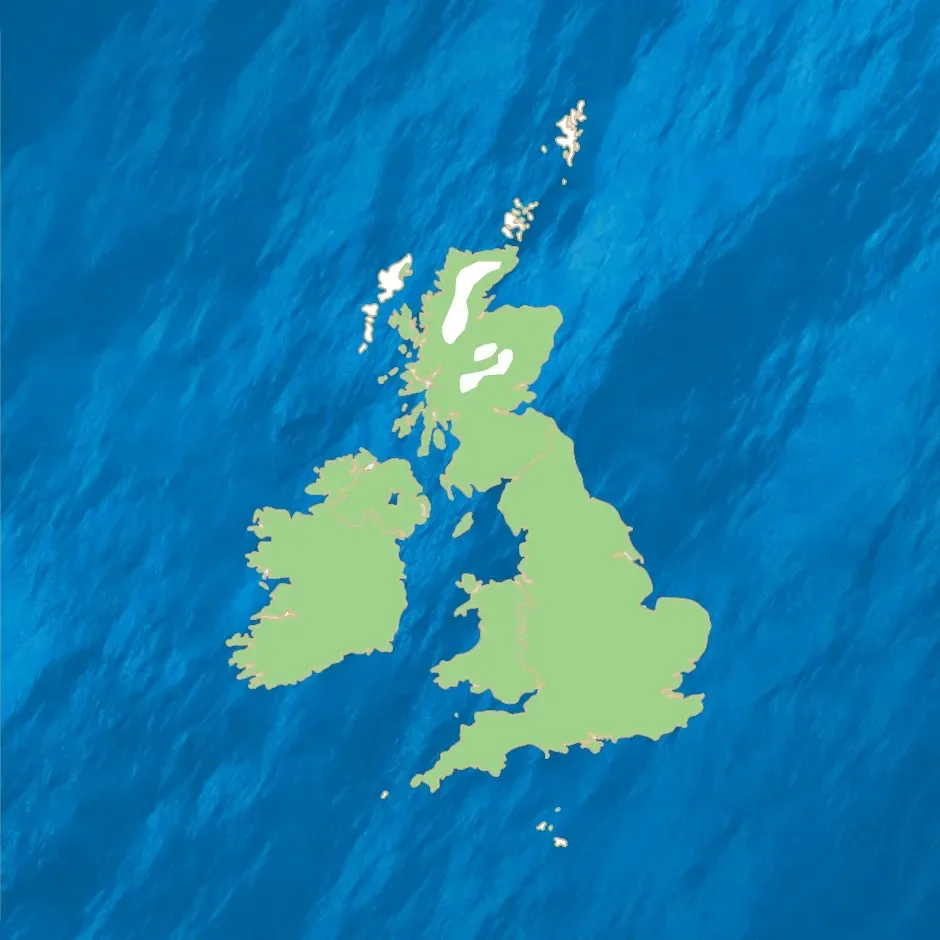
Belonging to the Paridae family, the blue tit's scientific name is Cyanistes caeruleus. They inhabit woodlands, gardens, hedges, and parks. Notably, blue tits are absent from North America, distinguishing their range from some of their "cousins" like the great tit. Their intelligence is also remarked upon, with some observers placing them among the more intelligent bird species, surpassed only by corvids and parrots.
Read More: Pressure Washer Mistakes Cost UK Owners More Money
Background: The Garden Birdwatch Context
The consistent high ranking of blue tits in garden bird surveys highlights their widespread distribution and visibility. These surveys provide a broad snapshot of bird populations in human-modified landscapes. The commentary on blue tits being "feisty and fascinating" suggests an underlying observation of their active presence at feeders, where they often assert themselves against larger species.