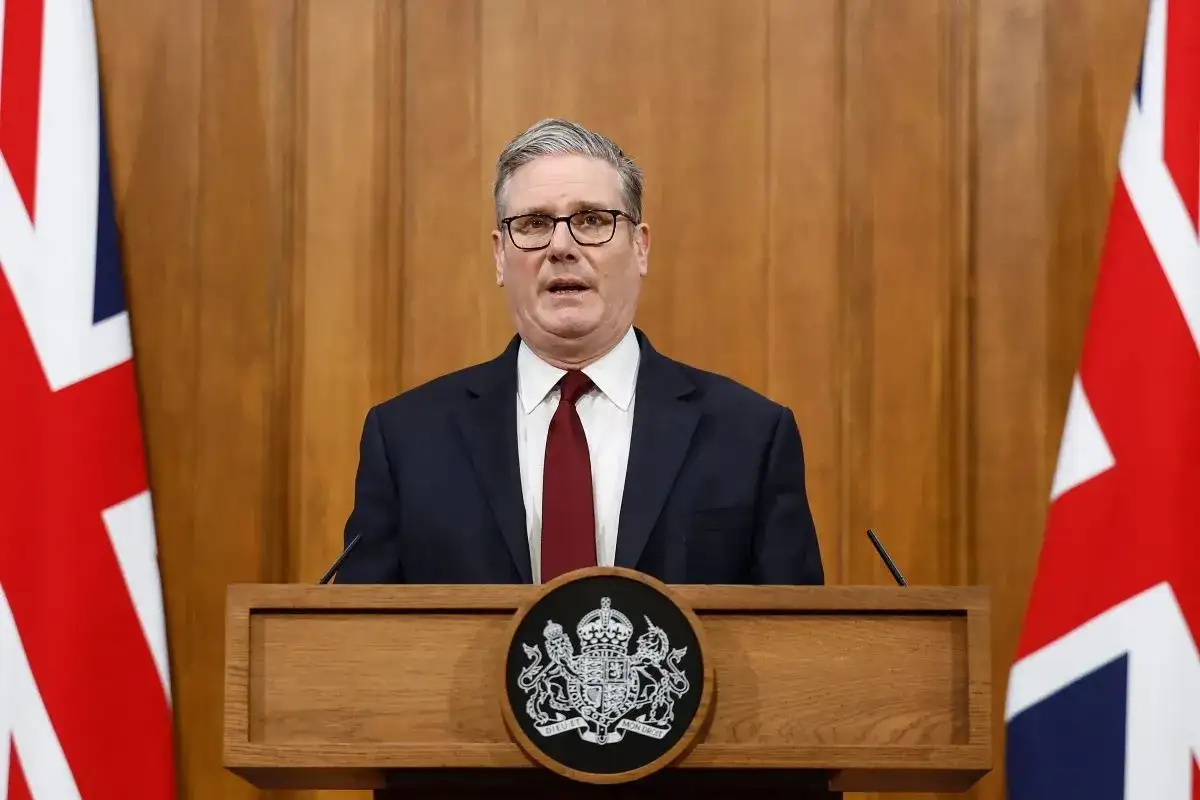
LONDON – Prime Minister Keir Starmer declared Monday that the United Kingdom will not support a U.S.-led blockade of the Strait of Hormuz, instead prioritizing a multinational effort to ensure the waterway's freedom of navigation. France, through President Emmanuel Macron, confirmed parallel discussions for a "peaceful multinational mission," distinct from American operations, to safeguard shipping in the vital chokepoint.
The core of the UK's stance is a refusal to be drawn into a U.S.-instigated "war of choice" concerning Iran. Instead, London is spearheading diplomatic and political initiatives to reopen the Strait of Hormuz, a route crucial for global oil and gas supplies, which has been brought to a near standstill following pre-emptive strikes in late February.
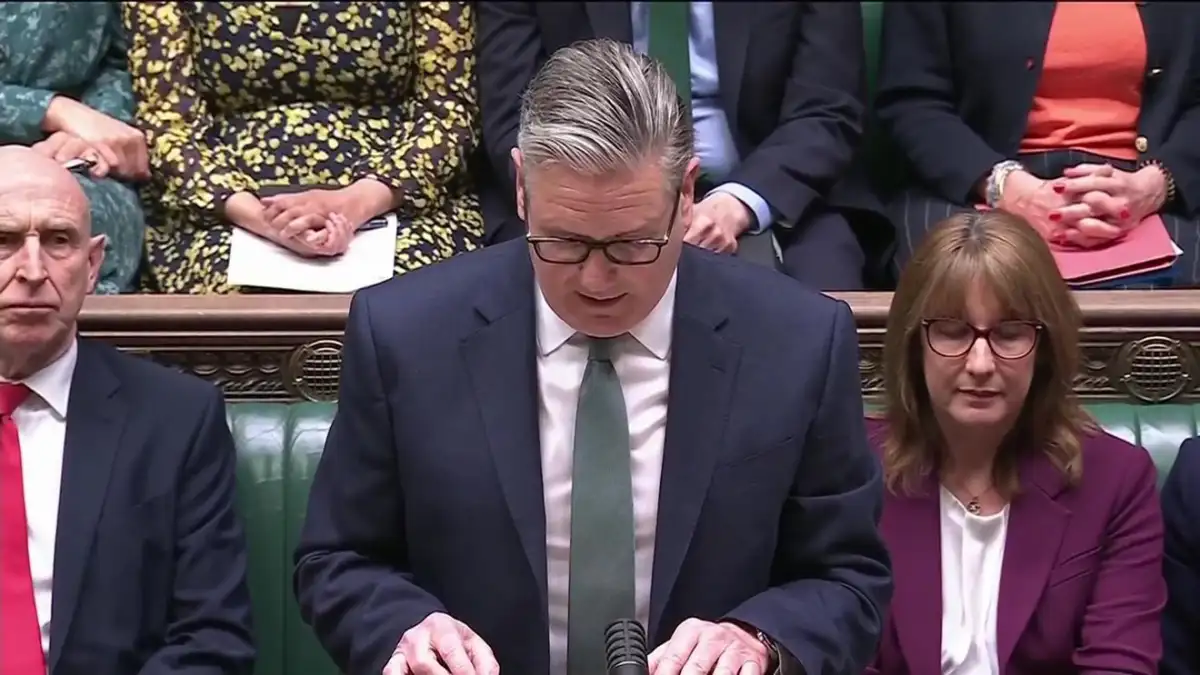
Starmer articulated that the UK's focus is on "bringing countries together to keep the strait open, not shut." This approach is part of ongoing discussions with Gulf states and international partners. The Prime Minister indicated that the UK possesses "mine-sweeping capability," intended for the explicit purpose of "getting the strait fully open." He emphasized that any defensive action would require a "clear lawful basis" and a "clear thought-through plan."
Read More: AFP Reviews War Crime Claims Against Australian in Gaza
France has aligned with this independent track, with Macron announcing a forthcoming conference co-hosted with the UK, bringing together nations willing to participate in a "peaceful multinational mission." This initiative is described as "strictly defensive" and intended to be deployed once the conflict subsides. The French President's office confirmed these statements remain current.

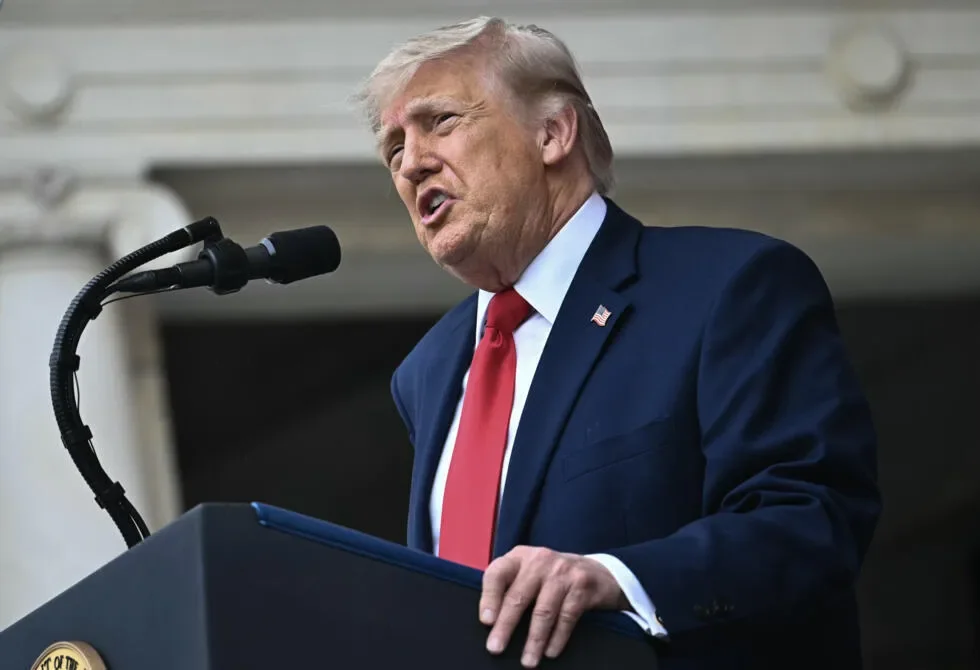
The UK's position contrasts sharply with U.S. President Donald Trump, who signaled a blockade on vessels entering or exiting Iranian ports, effective Monday at 10 a.m. ET. Trump stated that "other nations are working so that Iran will not be able to sell oil" and warned that any Iranian vessel approaching American warships would be "BLOWN TO HELL!" The U.S. military's stated objective was to intercept vessels paying "illegal tolls" to Iran.
Germany, meanwhile, has indicated its non-participation in the blockade, with government sources calling Trump's statements "a vague statement that is not based on any new facts" and reiterating Berlin's consistent rejection of military involvement in the Iran conflict.
Read More: Iran Warns Gulf States After U.S. Naval Clash

Diplomatic Maneuvers and Security Concerns
Starmer has been actively convening discussions, including a meeting with energy and shipping executives on Monday, and previously with Gulf leaders. The upcoming UK-French summit, involving up to 35 nations, aims to "assess all viable diplomatic and political measures" to restore freedom of navigation, guarantee the safety of vessels, and resume the flow of vital commodities. The UK previously convened representatives from over 40 countries with the shared goal of reopening the strait.
The closure of the Strait of Hormuz, which handles approximately one-fifth of global oil consumption, is acknowledged by Starmer as "deeply damaging" to global shipping and a contributor to "cost-of-living pressures." The failure of recent ceasefire talks between Iran and the U.S. in Pakistan over the weekend has exacerbated the situation.
Background: Escalation and Divergent Approaches
The current crisis stems from pre-emptive U.S.-Israeli strikes on Iran in late February, which ignited a regional war and led to the near-complete shutdown of the Strait of Hormuz. While Iran and the United States had agreed to a two-week cessation of hostilities, the subsequent ceasefire talks collapsed.
Read More: Indus Waters Treaty remains suspended in India and Pakistan April 2026
Trump's blockade initiative represents a unilateral escalation, met with strong resistance from European allies. The U.S. President has publicly criticized European nations for their lack of support for his military actions, implying a shift in responsibility for strait security should the U.S. cease strikes.
The UK's stance underscores a broader divergence in approach among Western allies, with London and Paris opting for a more multilateral and diplomatic route, distinct from the U.S.'s more assertive, blockade-focused strategy. This is occurring against a backdrop of strained relations between the U.S. and some European powers over the conflict. Reports suggest that even before the blockade, the cost of petrol had climbed 14 percent and diesel 27 percent, with further increases in food inflation anticipated in the UK.