

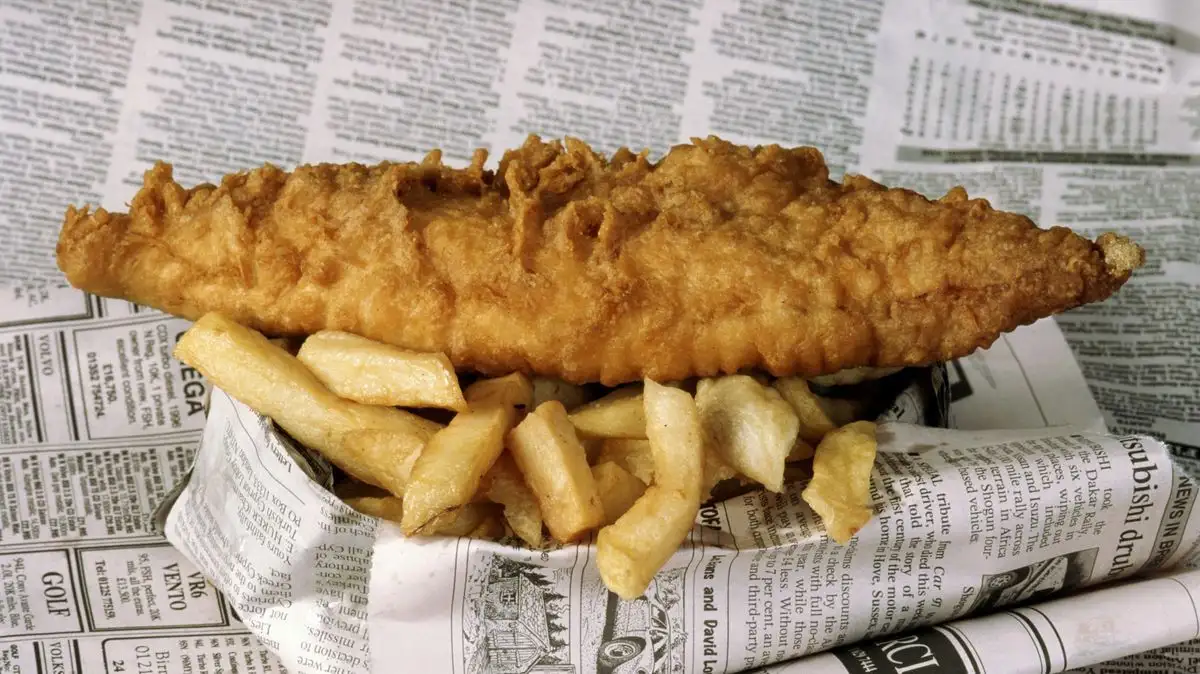
The once-ubiquitous practice of wrapping fish and chips in newspaper has largely receded, supplanted by more sanitised, though perhaps less storied, packaging. This shift is driven by a confluence of health concerns, a move towards dedicated food-grade materials, and evolving consumer perceptions. While the aroma of frying and the crinkle of newsprint once formed an intrinsic part of the takeaway experience, the modern reality sees a distinct separation between the news of the day and the sustenance of the evening.

The primary impetus for this change is the recognition of health risks associated with newspaper ink. Old-fashioned newspaper inks, particularly those used historically, contained various potentially harmful chemicals, including lead and petroleum-based compounds. The heat and grease inherent in hot, oily fish and chips exacerbated the risk of these substances leaching into the food, posing an undeniable threat to public well-being. This has led to the outlawing of the practice in some regions, notably the European Union, forcing a re-evaluation of traditional methods.
Read More: Carrot Extract Tricks Fake Ghee Tests in New Study

The shift away from direct newspaper contact also involved a layered approach even when the practice was common. Many accounts recall a crucial intermediary: a layer of plain paper, often greaseproof, was placed between the food and the newspaper itself. The newspaper, in these instances, served a more functional purpose – acting as an insulator to keep the meal warm during the journey home. This suggests a nuanced history, where the direct contact of food with newsprint might not have been as universal as memory suggests.

Today, fish and chip establishments primarily employ specialized, food-safe papers and cardboard containers. These materials are designed to handle hot, greasy food without compromising safety or imparting unwanted flavours. Some establishments have even begun to mimic the aesthetic, printing mock newspaper articles on their packaging, a nod to the past that underscores its departure. The narrative of fish and chips tasting "better" when wrapped in newspaper, a sentiment echoed by some, likely intertwines nostalgia with a sensory experience now largely lost to health regulations and updated packaging technologies.
Read More: Tess Daly wears wedding ring in London after split from Vernon Kay

The practice, while fading, holds a certain historical cachet. Its origins are often traced back to periods of scarcity, such as during World War II, when paper was a valuable commodity and used newspapers presented a readily available, if unconventional, packaging solution. This pragmatic approach, born of necessity, evolved into a cultural trope, embedding itself in the collective memory of British takeaway culture. The question of whether the practice could ever return, even in a regulated form, lingers as a point of curiosity, a testament to the enduring power of tradition against the tide of modern concerns.





:max_bytes(150000):strip_icc()/ar-ice-cream-recall-revision-ar-adobe-2x1-d0f30fb6a96f4500baf9d27f9d387609.jpg)
