

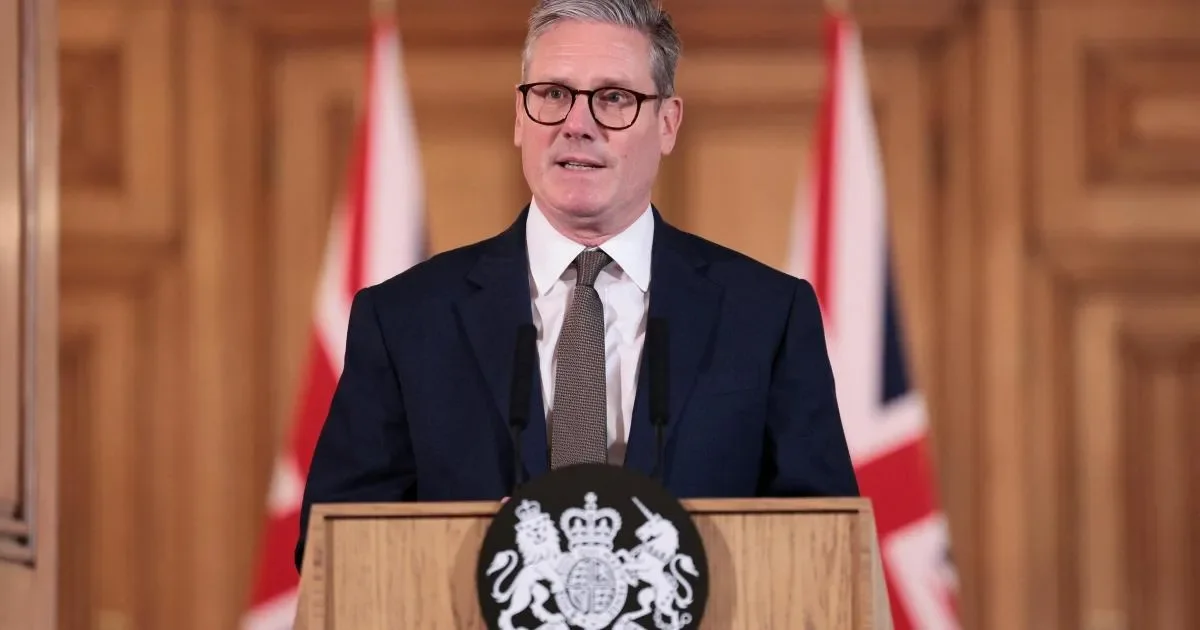
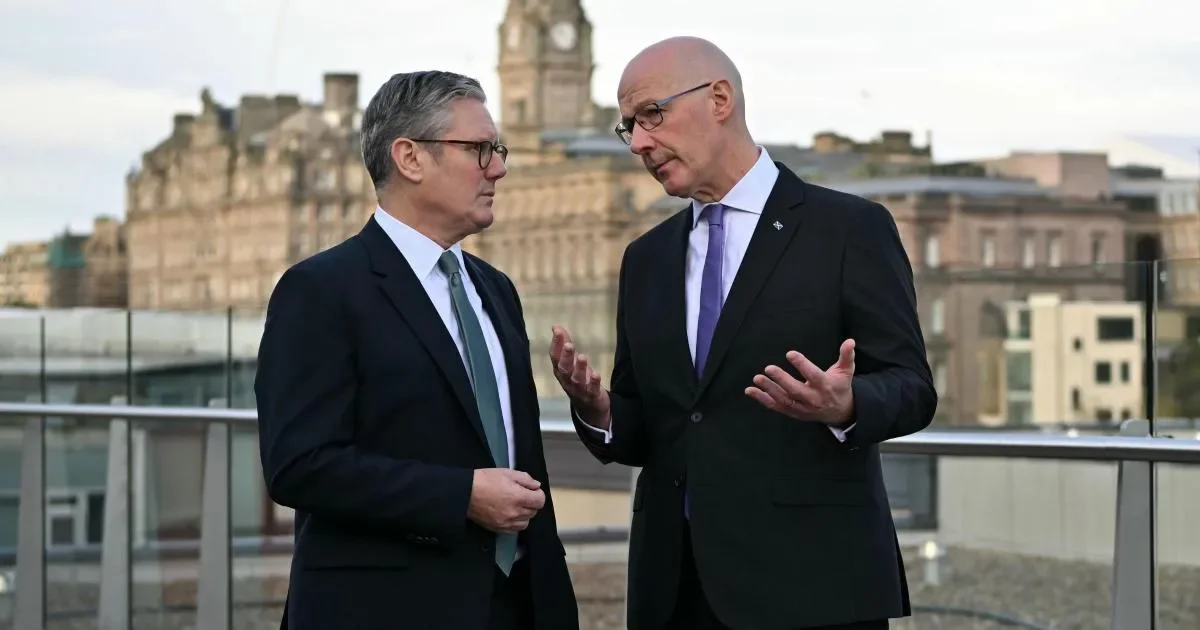
Prime Minister Keir Starmer and First Minister John Swinney have agreed to meet, aiming to chart a course for "better" collaboration between the UK and Scottish governments. The talks, set to occur next month, arrive at a moment of considerable political flux, with the constitution, specifically the prospect of an independence referendum, looming large. The commitment to a face-to-face discussion, reportedly agreed during a call earlier this week, signals a willingness from both leaders to engage, despite acknowledged 'differences' and a history of strained relations.
Swinney, whose party has long advocated for Scotland's right to self-determination, claims Starmer has acceded to discussing a second independence referendum. This assertion, made in the wake of the SNP's recent electoral performance, posits a growing "momentum behind Scotland’s right to decide." Starmer's camp has, however, maintained a firm stance against granting a referendum, with previous statements from the Prime Minister suggesting he views such demands as "insulting the intelligence" of the Scottish people. The specific terms of the upcoming discussion on the constitution remain a focal point of divergence.
Read More: Trump Questions FBI Director Patel's Need for Publicity
Political Crosscurrents
The planned meeting follows Starmer's recent electoral victory, which he asserts grants him a mandate across the entirety of the UK. His visit to Scotland, his first since becoming Prime Minister, is part of a broader tour of the UK nations. He has articulated a desire to establish a "different and better" working relationship, one that "recognises the contributions of all four nations." This overture aims to reset relations, with Scottish Labour leader Anas Sarwar also calling for a recalibration of inter-governmental ties.
Meanwhile, Starmer faces internal pressures within his own party. A number of ministerial resignations and widespread calls for his leadership to be reviewed cast a shadow over his tenure. Several Labour MPs are publicly urging him to step down or provide a timeline for his departure, following a series of electoral setbacks. Despite this, Starmer has indicated he intends to remain in his post, challenging potential rivals to formally contest his leadership. Key allies have publicly reaffirmed their support, while others, such as Health Secretary Wes Streeting, remain a subject of speculation regarding their future ambitions.
Read More: UK Labour Leader Starmer Faces Resignations Amidst Calls to Quit

Background of Divergence
The constitutional question has long been a defining feature of the UK political landscape. Scotland held an independence referendum in 2014, where 55.3% voted to remain part of the United Kingdom. Subsequent elections have seen varying mandates for the Scottish National Party (SNP) to pursue another vote, a stance met with resistance from Westminster. This latest engagement between Starmer and Swinney occurs against a backdrop of a complex and often fractious relationship between the devolved Scottish government and the UK government. Swinney has previously expressed a lack of empathy for Starmer's leadership struggles, attributing them to a lack of clear objectives upon entering Downing Street.
Keywords: Keir Starmer, John Swinney, independence referendum, UK government, Scottish government, political leadership


