


As of 22/04/2026, clinical observations indicate that the convenience of modern tea bags masks a process of systemic ingestion of microplastics and chemical stabilizers. Research confirms that individual tea bags can release billions of microscopic particles into boiling water, presenting a documented intersection between food-grade materials and potential cellular toxicity.
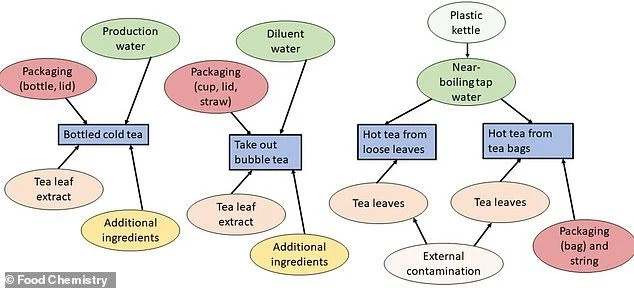
Core finding: Exposure to microplastics and chemical leaching from heat-degraded tea packaging is associated with colonic mucosal damage, potential infertility, and elevated carcinogenic risks.

Structural Contamination and Chemical Stability
The industry standard for mass-market tea bags relies on materials that fail under high-temperature stress. Data published in Chemosphere highlights the degradation process:

| Tea Bag Material | Particle Release Profile | Risk Factors |
|---|---|---|
| Plastic Mesh | High (Billions) | Micro/Nanoplastic leaching |
| Non-woven Bags | Moderate/High | Structural breakdown |
| Paper-based | Chemical leach | Epichlorohydrin (stabilizer) |
Epichlorohydrin Toxicity: Many paper bags utilize this resin to prevent structural collapse in boiling liquid. Independent practitioners identify this as a recognized carcinogen and reproductive toxin capable of leaching directly into the brew.
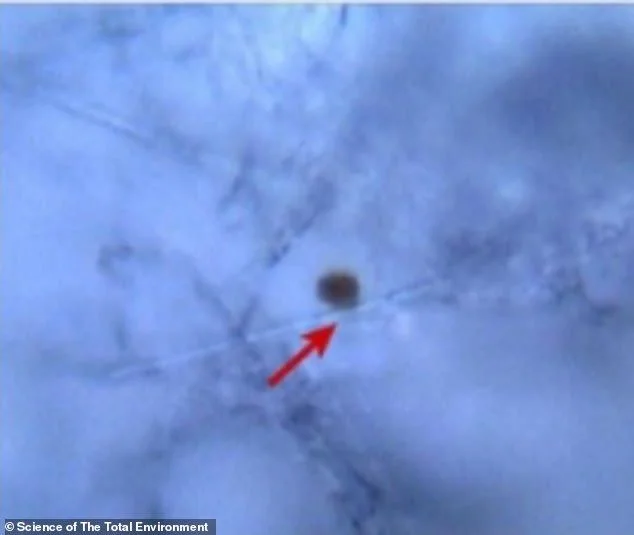
Microplastic Interaction: When exposed to heat—particularly in a microwave—plastic-based bags accelerate the release of particulate matter. Research indicates these particles interfere with the colonic lining, specifically reducing mucus production, which serves as a primary protective barrier for the digestive tract.
Investigative Context
The concern regarding ingestible plastics has moved from ambient air exposure to direct food-chain infiltration. Health Experts cite studies involving murine models, where chronic exposure led to measurable damage to colon walls.
"Microplastics… are likely to cause cancer… damage to the colon walls," notes reporting on findings from the University of California San Francisco regarding the correlation between environmental plastic consumption and rising colorectal incidents in younger populations.
The biological implications are not limited to the digestive system. In December 2024, researchers linked microplastic accumulation to observed irregularities in male fertility, specifically finding particles within human sperm samples.
Read More: India IVF Costs And Social Barriers Limit Access In April 2026
Mitigation Strategies
Current observations suggest the following shifts in consumer behavior to minimize systemic intake:
Switch to loose-leaf: Utilizing loose tea or powdered leaves eliminates the plastic mesh/paper bag variable entirely.
Material selection: Where bags are mandatory, woven nylon has been shown to release fewer particles compared to non-woven or standard plastic mesh variants.
Thermal control: Avoiding the microwave to heat water directly in the presence of the bag, as thermal acceleration is a primary catalyst for material breakdown.
While public health warnings remain ongoing, the evidence points toward a cumulative toxicity model, where the long-term impact of consistent ingestion remains a focus of current, evolving studies.






:max_bytes(150000):strip_icc()/ar-ice-cream-recall-revision-ar-adobe-2x1-d0f30fb6a96f4500baf9d27f9d387609.jpg)