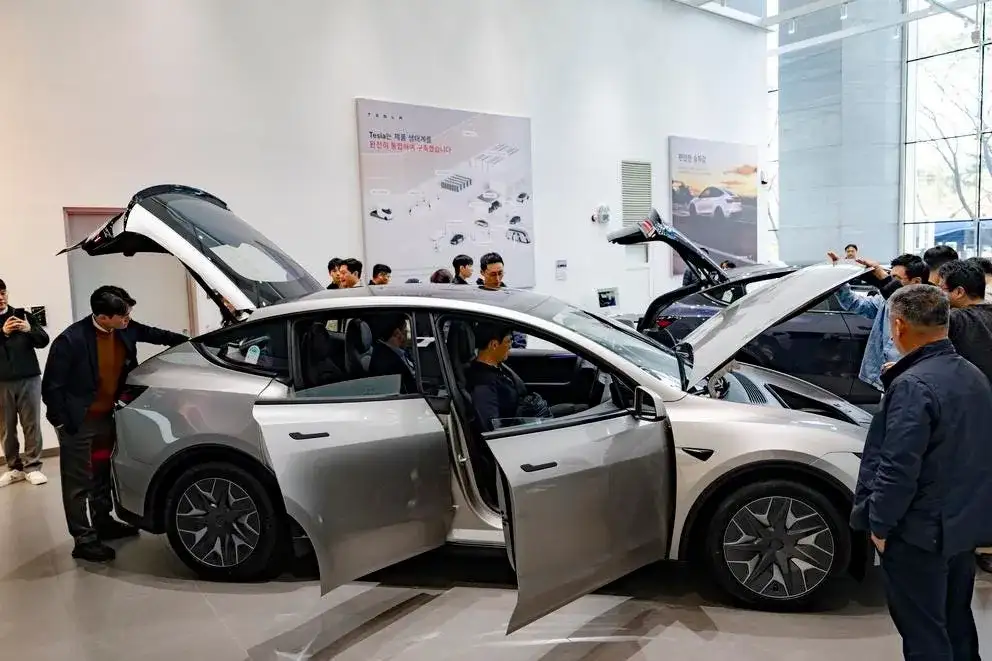
UK roads now host over two million registered zero-emission vehicles, a significant milestone announced recently. This surge comes as sales of fully electric cars in April 2025 saw an 8.1% increase year-on-year, with 24,558 new units registered. While this growth is noteworthy, it occurs against a backdrop of a declining overall new car market, which has experienced its sixth fall in seven months.
The government has trumpeted the milestone of 2,012,000 licensed zero-emission vehicles, a 31.2% rise, with 1,874,000 actively used on roads. The figures reveal 528,000 new zero-emission vehicles registered for the first time, a 24% uptick. Within this, 473,000 were cars, also showing a 24% increase. This push into electric has seen average electric car prices dip below those of petrol models for the first time, reportedly due to government discounts under the Electric Car Grant.
Market Dynamics and Policy Pressures
The continued rise in electric vehicle (EV) uptake is occurring despite broader market contractions. Data indicates that petrol and diesel registrations have declined significantly, with some reports showing drops nearing 25%. Hybrid vehicles, conversely, have gained traction, making up approximately one-third of new vehicle registrations. The commercial sector has also seen substantial growth in electric vans, with registrations more than doubling year-on-year, attributed to lower operational costs, tax incentives, and the extension of government grants.
Read More: Tesla Model Y L 6-Seater US Launch Date and Price Details
Industry bodies, such as the Society of Motor Manufacturers and Traders (SMMT), point to manufacturer discounting as a key driver for the recent EV sales boost. These discounts, estimated to have cost the industry around £4.5 billion in 2024, are seen as a necessary measure to meet the UK's zero-emission vehicle (ZEV) mandate, which requires a 28% EV sales mix this year. Current EV sales mix figures are reportedly lagging behind mandated targets.
Calls for Policy Adjustments
While acknowledging recent government adjustments to ZEV mandate flexibilities as a positive first step, stakeholders are urging further policy interventions. Proposals include - a halving of VAT on new EV purchases, the scrapping or amendment of the Vehicle Excise Duty (VED) Expensive Car Supplement, and aligning VAT on public EV charging with domestic rates. These measures are seen as crucial to sustaining momentum and encouraging hesitant buyers.
Read More: Tess Daly wears wedding ring in London after split from Vernon Kay
Background on ZEV Mandate and Market Fluctuations
The UK's ZEV mandate sets targets for manufacturers to sell an increasing percentage of electric vehicles each year. The SMMT noted that March saw a significant surge in EV registrations, with uptake massively increasing. This was partly attributed to manufacturers offering substantial discounts to meet ZEV mandate terms, with buyers potentially accelerating purchases into March to avoid the VED changes, including the Expensive Car Supplement, which became applicable to many new EVs from April 1. The mandate’s complexities and the financial burden of discounts on manufacturers present a challenge to achieving sustainable, organic growth rather than demand driven by temporary incentives and tax implications.