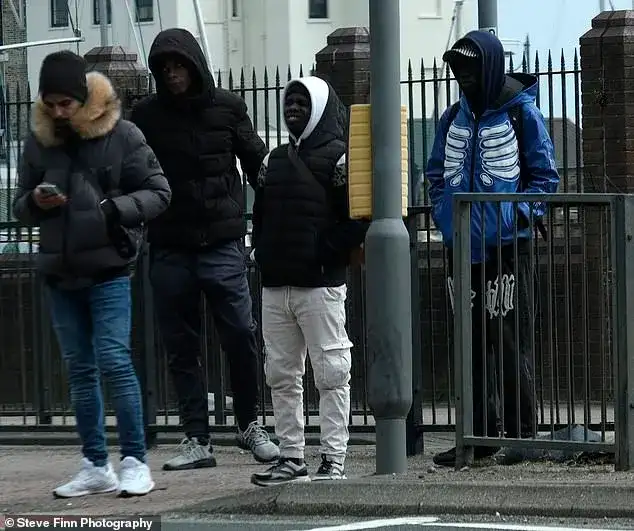
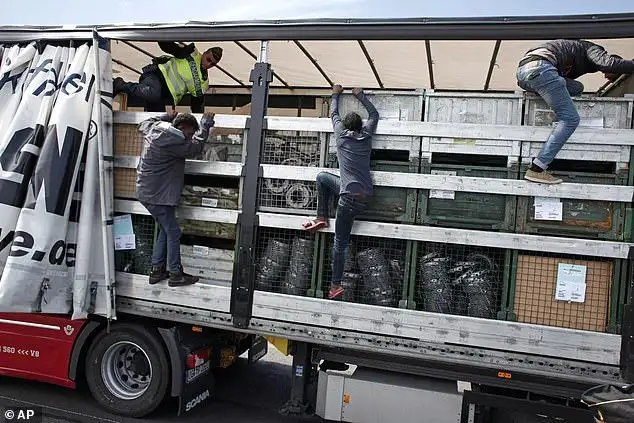
A number of individuals described as "illegal migrants" are reportedly leaving Britain by hiding in the backs of lorries, according to recent accounts. This movement appears to be driven, in part, by perceived inadequacies in asylum support provided by the UK system, which some individuals claim are insufficient for basic needs such as purchasing alcohol and cigarettes.
Reports indicate a growing trend of individuals seeking to depart the UK via clandestine routes, often using the same methods of concealment employed to enter the country. One individual, identified as a "middleman or fixer," claims to connect "customers" wishing to leave Britain with smuggling networks, particularly around Dover. This individual suggested that as many as 100 migrants per week might be smuggled into Britain through Dover alone, implying a dynamic flow that includes departures.
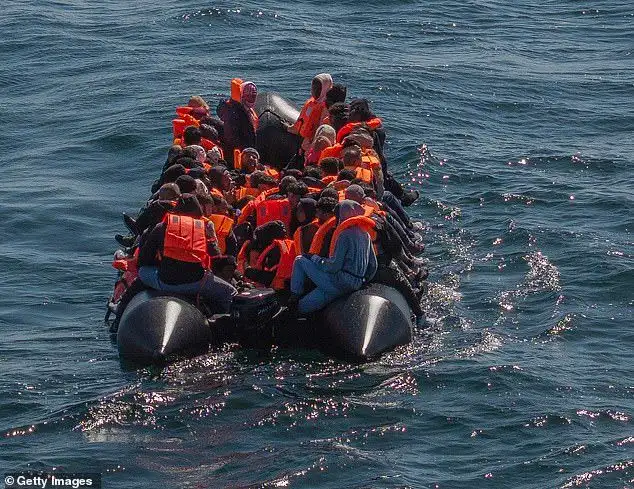
The motivations for leaving appear complex. While some sources suggest dissatisfaction with asylum handouts, others point to broader feelings of displacement or a desire to escape the UK. One account describes a migrant at Preston bus station expressing determination to "stow away on a lorry" to leave Britain, stating that his "life is being wasted" in his current accommodation.
Read More: Deportees trapped in Venezuela earthquake after June 24 flight
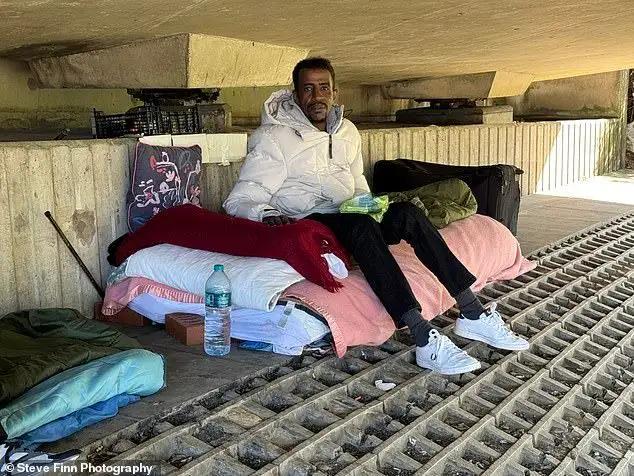
This outflow contrasts with the persistent issue of individuals entering the UK through various means, including small boats, lorries, and potentially visa routes that are later exploited for asylum claims. Immigration lawyers have noted that some individuals may arrive on visas, claim asylum, and then remain in the UK without leaving, bypassing traditional border checks.
The broader context involves a multifaceted immigration landscape, with concerns raised about the exploitation of asylum systems, illegal working, and the activities of organised smuggling gangs. The UK government has implemented measures, such as revoking the statutory duty to provide support and accommodation for asylum seekers who can support themselves or break the law, aiming to create a more "compliance-based system" and reduce the burden on taxpayers.

Background
Recent publications from Sue Reid highlight various facets of migration dynamics. These include:
Read More: Tess Daly wears wedding ring in London after split from Vernon Kay
Exiting Britain: Accounts detail migrants leaving the UK by concealing themselves in lorries. A report from June 2025 describes footage of migrants inside a lorry heading from the UK to France.
Entry Methods: The influx of migrants into the UK has been linked to various methods. This includes small boats crossing the Channel, with reports from November 2021 and December 2018 discussing the risks and organisation behind these journeys. Lorry drivers have also been implicated, with reports of arrests and convictions for people smuggling, often involving coercion or financial incentives. Since July 2025, there has been a surge in arrests in Kent related to drivers concealing individuals.
Exploitation of Systems: Concerns exist about individuals using the UK's immigration system for purposes beyond seeking genuine asylum. Reports from January 2026 discuss "bogus students, beggars and refugees" who allegedly come to Britain primarily to send money home. Immigration lawyers have pointed out that some individuals arrive on visas, claim asylum, and do not depart.
Border Security: Investigations have raised questions about the adequacy of security checks at ports. A February 2026 report indicated that small boat migrants were being admitted to the UK after relatively brief security screenings at temporary arrival ports. Simultaneously, there are ongoing efforts to counter criminal activity, including a crackdown in February 2026 targeting the exploitation of the Common Travel Area between the UK and Ireland, which involves arrests for immigration offences and the smuggling of drugs and other goods.
Organised Crime: The smuggling operations are often described as lucrative, with gangs focused on profit rather than the welfare of migrants. Reports have detailed the military-style planning behind some of these operations and the immense sums of money involved. There are also fears that individuals with potential security concerns, such as members of Iran's Revolutionary Guard, could be among those arriving on UK shores.
The ongoing situation reflects a complex interplay of factors, including humanitarian concerns, national security, economic pressures, and the effectiveness of immigration policies.