Efforts to introduce a law for assisted dying in the UK have encountered significant obstacles, leaving many to question the reasons behind the delays. While proponents believe such legislation is a matter of individual autonomy and compassionate choice, opponents raise serious concerns about potential abuses and the impact on palliative care. The debate is complex, touching on ethical, legal, and societal values.

Background and Current Status
Assisted dying, the practice where a medical professional assists a terminally ill patient in ending their life, is a deeply debated topic. In the UK, attempts to legislate have been met with resistance, primarily within the House of Lords, though the House of Commons also plays a role.

Parliamentary Process: The Parliament Act allows the House of Commons to overcome repeated rejections by the House of Lords, but this mechanism has not yet been fully utilized for assisted dying legislation.
Limited Time: A significant hurdle identified is the lack of available parliamentary time. For instance, the government has indicated it will not allocate more sitting Fridays to the bill, citing a limited number of such days remaining.
International Context: The European Court of Human Rights has considered assisted dying cases. It has not compelled member states to broaden their assisted dying laws beyond their initial scope and has often found challenges to be inadmissible. However, fears persist in some quarters about a "slippery slope," where initial restricted laws might be expanded over time.
Key Obstacles to Legislation
Several factors appear to be hindering the progress of assisted dying bills.
Lack of Detail and Operational Clarity
A recurring criticism of proposed legislation is its insufficient detail on how assisted dying services would be implemented.
Read More: California Woman Claims Instagram, YouTube Harmed Her Childhood Mental Health in Meta Trial

Service Operation: Ministers require more time to develop a concrete plan for how assisted dying services would function, suggesting that the current proposals lack practical blueprints.
Hospice Involvement: There seems to be an assumption that hospices would support a mandate to provide assisted dying on their premises. However, the hospice sector has largely maintained a neutral stance, indicating that their agreement is not guaranteed.
Concerns Regarding Private Sector Involvement
The potential for private companies to profit from assisted dying services has also emerged as a point of contention.
Profit Motive: Questions have been raised about whether private providers should be commissioned for these services, particularly in the absence of a profit cap. This raises concerns about commercial interests influencing end-of-life care decisions.
Government Decision: The government, under Sir Keir Starmer, faces the challenge of deciding how to regulate private sector involvement in assisted dying services.
Palliative Care Debates
The discussion around assisted dying is intrinsically linked to the quality and availability of palliative care.
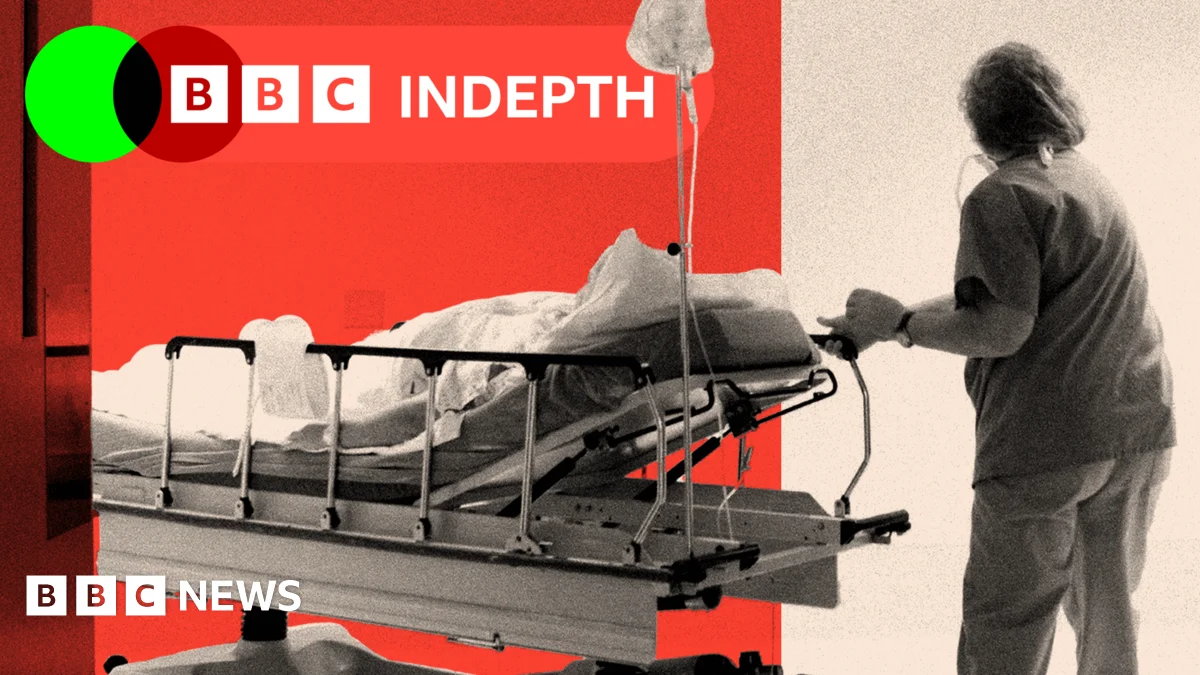
Palliative Care Gaps: Reports highlight that palliative care services are not always meeting patient needs. Some individuals choose to go to hospital in their final weeks due to fear or a desire not to be a burden, while families may believe hospital care can prolong life.
Patient Dissatisfaction: A notable proportion of families have expressed unhappiness with the care their loved ones received in the final months of life, underscoring potential shortcomings in existing care systems.
Early Identification: There is a view that more could be done to identify patient needs before they are admitted to hospital, suggesting a need for proactive rather than reactive care strategies.
Opposition and Fears
Resistance to assisted dying legislation often stems from deeply held ethical and moral beliefs, as well as practical anxieties.
"Slippery Slope" Argument: A prominent concern is the potential for laws, even if initially narrow, to be expanded over time, leading to broader acceptance and application of assisted dying.
Parliamentary Opposition: While the House of Commons may pass bills, the House of Lords has shown a propensity to delay or block them, as seen in previous attempts.
International Comparisons: While some countries have legalized assisted dying, the specifics of their legislation and the debates surrounding them vary, making direct comparisons complex. The European Court of Human Rights' stance, while specific, does not negate domestic opposition.
Expert Perspectives
"Ministers need more time to turn Ms Leadbeater’s Bill into a reality because it contains no detail on how assisted dying services will operate." — Article 3, The Telegraph
"Hospital palliative care doctor Dr Rachel Clarke says she can spend whole days in A&E trying her best to care for patients dying in resuscitation areas and in corridors." — Article 4, BBC News
"The Strasbourg court has never required a member state of the European convention of human rights (ECHR) to extend its assisted dying or euthanasia regime beyond its initial limits." — Article 2, The Guardian
Conclusion and Implications
The path to legalizing assisted dying in the UK is fraught with challenges, stemming from a lack of operational detail in proposed bills, concerns about private sector profit, and the broader debate surrounding palliative care. While parliamentary mechanisms exist to overcome legislative roadblocks, their application to this issue is not straightforward.
Future Steps: Further parliamentary debate and the development of more detailed operational frameworks for assisted dying services are likely required. Addressing concerns about palliative care provision may also be crucial in shifting the balance of opinion.
Ongoing Debate: The ethical, legal, and practical considerations surrounding assisted dying will undoubtedly continue to be a focal point of public and political discourse.
Sources
The Guardian: Why have efforts to bring in assisted dying law been thwarted? - https://www.theguardian.com/society/2026/feb/26/why-have-efforts-to-bring-in-assisted-dying-law-been-thwarted
The Guardian: Assisted dying: what are the ‘slippery slope’ fears in England and Wales? - https://www.theguardian.com/society/2024/nov/20/assisted-dying-what-slippery-slope-fears-england-wales
The Telegraph: The 10 reasons why the Assisted Dying Bill has been delayed - https://www.telegraph.co.uk/news/2025/03/26/ten-reasons-why-the-assisted-dying-bill-has-been-delayed/?msockid=0d3259657d906ee01a784e697ca56ff3
BBC News: Assisted dying debate: The UK’s real problem with palliative care - https://www.bbc.co.uk/news/articles/c62zv670m7no
Sky News: Why is assisted dying so controversial - and where is it already legal? - https://news.sky.com/story/why-is-assisted-dying-so-controversial-and-where-is-it-already-legal-13252755