A recent survey indicates a significant gap in knowledge regarding shingles among older adults, particularly those managing chronic health conditions. This lack of awareness appears to heighten their vulnerability to the disease and its complications, prompting calls for greater public health outreach and doctor-patient dialogue.
Context: Understanding the Shingles Threat
Shingles, also known as herpes zoster, is caused by the varicella-zoster virus, the same virus that causes chickenpox. After a person recovers from chickenpox, the virus lies dormant in the body. It can reactivate years later, causing shingles, a painful rash that often affects one side of the body.

Global Prevalence: Worldwide, approximately one in three adults is expected to develop shingles in their lifetime.
Age as a Factor: The risk of developing shingles increases significantly with age, especially after 50.
Chronic Conditions: Certain chronic health conditions, including diabetes, cardiovascular disease, chronic kidney disease, COPD, and asthma, are known to weaken the immune system, making individuals more susceptible to shingles reactivation.
Complications: A common and serious complication is post-herpetic neuralgia (PHN), which can cause long-lasting nerve pain.
Survey Findings: A Pattern of Low Awareness
Multiple reports based on a global survey highlight a concerning trend: many older adults, especially those with chronic illnesses, are not fully aware of the risks associated with shingles.

Indian Participants:
A significant majority, 56.6% of Indian participants aged 50 and above, reported knowing "little to nothing" about shingles.
While 61% of these participants live with chronic conditions like diabetes, cardiovascular disease, COPD, asthma, or chronic kidney disease, only 49.8% expressed significant concern about developing shingles.
Globally, for those with chronic illnesses, only 13% considered shingles a major health concern.
Immune System Misconceptions:
Nearly one in five individuals with chronic health conditions incorrectly believed their condition did not affect their immune system or their risk of shingles.
Globally, only 44% of respondents showed some familiarity with shingles.
Impact on Daily Life:
Patients with chronic kidney disease and cardiovascular disease experienced the greatest disruption in their daily lives due to shingles.
Those with diabetes and cardiovascular disease reported the highest emotional toll.
Vaccination Conversations: The survey underscores a gap in discussions about adult vaccination, with an emphasis on the need for both doctors and patients to initiate these conversations.
Chronic Conditions and Increased Risk
The survey data strongly suggests a link between the presence of chronic health conditions and an elevated risk of shingles, coupled with a lack of awareness about this connection.
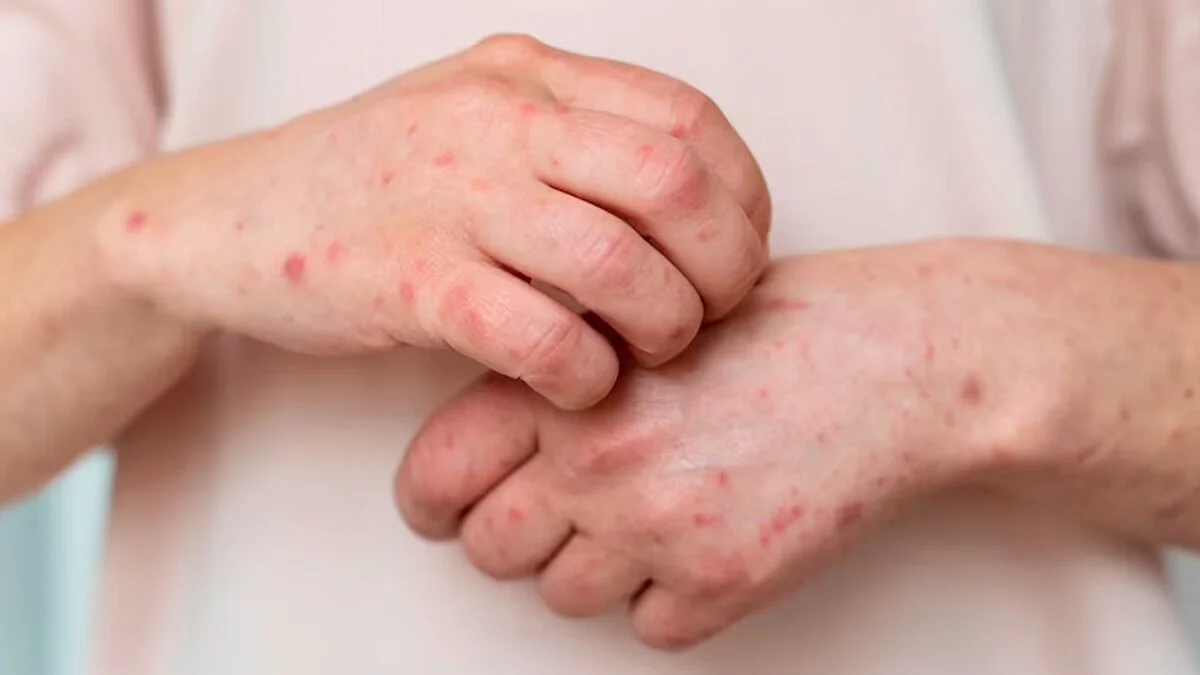
Vulnerability: Adults over 50 with pre-existing conditions like cardiovascular disease, chronic kidney disease, diabetes, COPD, or asthma are more vulnerable to shingles.
Dormant Virus: The virus causing shingles remains dormant in the body after chickenpox and can reactivate due to a weakened immune system.
Ageing and Immunity: As people age, their immune systems naturally weaken, increasing susceptibility. This effect is compounded when combined with chronic health conditions.
Awareness Gap and Health Management
A notable disparity exists between how older adults perceive their health and how they actively manage it, particularly concerning shingles.
Perceived vs. Actual Health: Despite being at risk, many older adults do not prioritize shingles awareness or prevention.
Proactive Care: There appears to be a lack of proactive management of shingles as a potential complication within broader chronic disease management plans.
Need for Education: This gap highlights an urgent need for greater awareness campaigns and educational initiatives to promote healthy aging practices and preventive measures.
Expert Perspectives
Health professionals emphasize the critical role of awareness and preventative measures.
Read More: UK Assisted Dying Law Faces Delays Due to Lack of Service Plans
"As we age, our natural ability to fight disease diminishes, making us more susceptible to various diseases like shingles. When ageing is combined with chronic conditions, this risk increases. Yet, the survey reveals that a significant portion of people over 50 remain unaware of these risks, which is concerning."
— Dr. Shalini Menon, Medical Director at GSK India
Doctor-Patient Dialogue: Experts, such as Dr. Menon, stress the importance of regular, informed conversations between patients and doctors regarding adult vaccination.
Immunisation as a Tool: Immunisation is identified as a key strategy to protect older adults from preventable diseases like shingles.
Conclusion and Implications
The survey findings present a clear picture of low shingles awareness among older adults, particularly those managing chronic illnesses. This lack of knowledge could lead to delayed diagnosis, increased severity of the disease, and a higher incidence of complications like PHN.
Key Takeaways:
A substantial percentage of individuals aged 50 and above, especially those with chronic conditions, are unaware of shingles and its associated risks.
There is a misconception about how chronic conditions can impact immune health and increase vulnerability to shingles.
Shingles causes significant disruption and emotional distress for those affected.
Recommendations:
Public health campaigns are needed to educate older adults and their caregivers about shingles.
Healthcare providers should proactively discuss shingles risk and vaccination options with patients aged 50 and over, particularly those with chronic conditions.
Further research may be warranted to understand the specific barriers to awareness and uptake of preventive measures.
The Hindu: Published: 30 minutes ago. https://www.thehindu.com/sci-tech/health/survey-shows-older-adults-with-chronic-health-conditions-are-hit-hard-by-shingles/article70680047.ece
Business Standard: Published: Feb 24, 2025. https://www.business-standard.com/health/global-survey-reveals-low-awareness-of-shingles-among-older-indians-1250224010151.html
Mediabrief.com: Published: Feb 26, 2025. https://mediabrief.com/gsk-survey-most-people-over-50-in-india-unaware-of-shingles-disease-despite-being-at-risk/
Human8: Published: Feb 3, 2026. https://www.wearehuman8.com/shingles-the-hidden-risk-for-adults-with-certain-chronic-health-conditions-closing-the-health-awareness-gap/
The Economic Times: Published: Feb 24, 2025. https://health.economictimes.indiatimes.com/news/industry/survey-highlights-low-awareness-of-shingles-among-older-adults-in-india/118531853
India Today: Published: Mar 5, 2025. https://www.indiatoday.in/health/story/many-indians-over-50-unaware-of-shingles-disease-despite-being-at-high-risk-2689314-2025-03-05
GSK Canada: Published: 3 days ago. https://ca.gsk.com/en-ca/media/press-releases/survey-finds-majority-of-older-canadians-with-chronic-illnesses-unaware-of-increased-shingles-risk/