The United Arab Emirates (UAE) is set to exit the Organization of the Petroleum Exporting Countries (OPEC) and its expanded alliance, OPEC+, effective May 1st. This decision marks the end of nearly six decades of the UAE's participation in coordinated oil production policies. The move, officially announced via the UAE's state news agency WAM, follows a comprehensive review of the nation's production capacity and interests, according to statements from the Energy Ministry.
"The decision followed a review of the UAE’s current and future (production) capacity and is based on our national interest." - UAE News Agency WAM
The UAE's withdrawal is presented by Energy Minister Suhail Al Mazrouei as a strategic repositioning, aiming to enhance the country's role as a leading producer amidst growing global concerns over rising oil prices and tightening supply. This departure could significantly alter the global oil market landscape and OPEC's capacity to manage production. Analysts suggest the UAE may be seeking to shed production quota restrictions, which have previously been viewed as limiting.
Read More: Solaris Energy SEI Stock Price Forecast Reaches $91.98 by July 2027
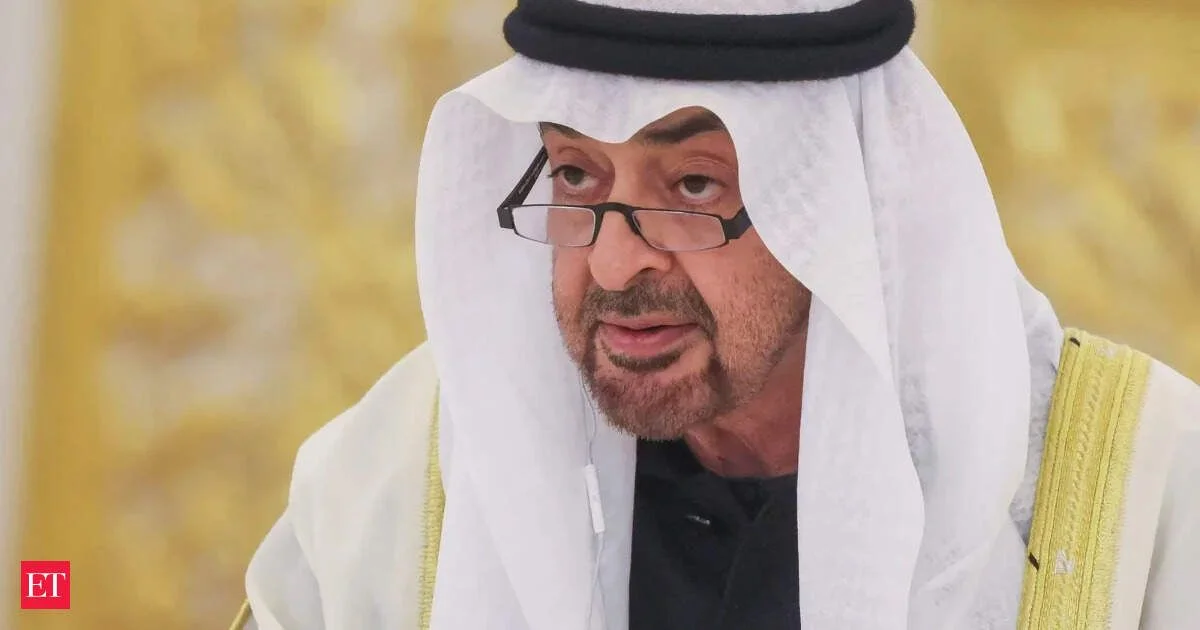
The immediate impact on global oil prices remains a subject of debate. While some foresee market absorption of additional UAE output, others question OPEC's ability to maintain market stability and influence if individual producers prioritize market share over collective coordination. The decision was reportedly timed to be the "least disruptive" to other OPEC members.
Background and Market Implications
The UAE's long-standing membership in OPEC has been instrumental in shaping the cartel's decisions for almost sixty years. Its exit provides the nation with greater flexibility to respond independently to fluctuating market dynamics. Historically, OPEC and OPEC+ have utilized production quotas to influence global supply.
The move comes at a time of considerable geopolitical shifts and energy market volatility. The effectiveness of OPEC in coordinating oil production is now under scrutiny, particularly regarding its influence over key benchmarks like WTI Oil. The UAE's departure introduces an element of uncertainty into the established framework of global oil governance, potentially redrawing power lines within the energy sector.
Read More: AFP Reviews War Crime Claims Against Australian in Gaza