Shared History and Future Imperatives
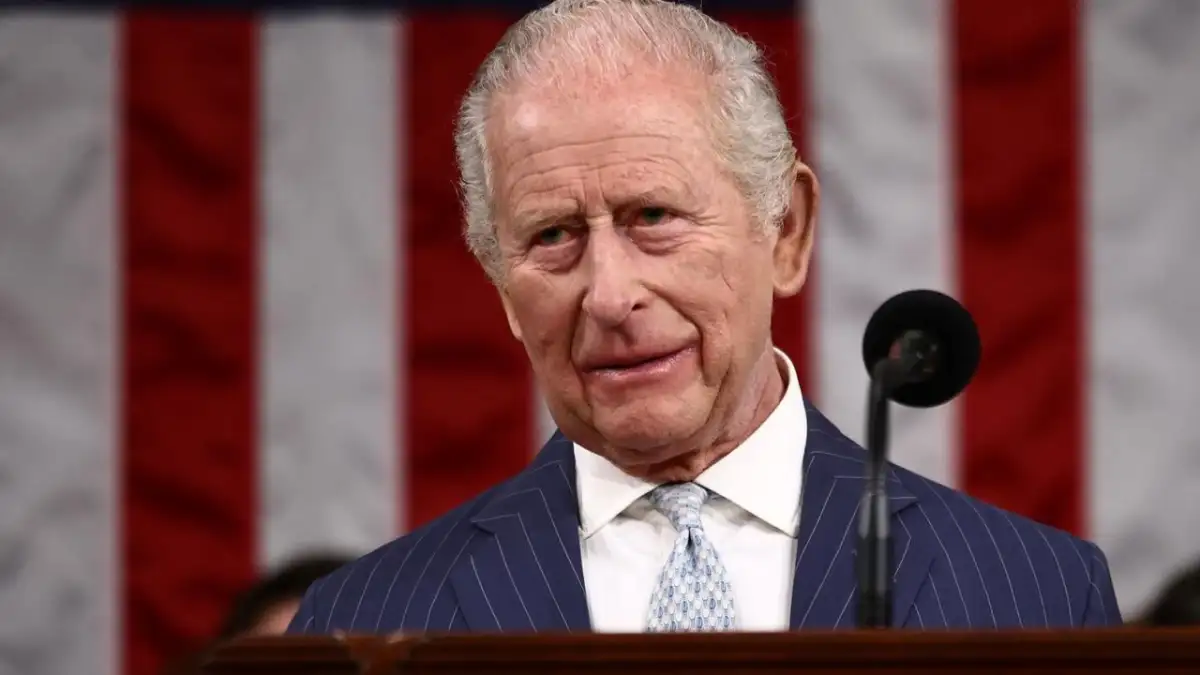
In a significant address to a joint session of the U.S. Congress on Tuesday, King Charles III underscored the deep historical and cultural connections between the United States and the United Kingdom, framing them as the bedrock of a "consequential alliance." His speech, delivered amidst the commemoration of the 250th anniversary of American independence, emphasized gratitude for the shared journey and issued a subtle caution against prevailing "inward-looking" sentiments.
King Charles III's speech to the U.S. Congress highlighted the enduring alliance between the US and UK, particularly in light of global shifts and a potential turn towards isolationism.
The monarch's remarks navigated the complex terrain of shared history, referencing the 250 years since American independence while also pointing to a broader four-century connection between the two peoples. He explicitly tied the nations' common ideals to "shared prosperity" and invoked a responsibility to safeguard "Nature, our most precious and irreplaceable asset," suggesting a future-oriented agenda beyond immediate geopolitical concerns. The speech also touched upon universal commitments to "uphold democracy, to protect all our people from harm," and to acknowledge those who serve their nations.
Read More: King Charles Finishes US Visit with White House Dinner and Congress Speech
Subtle Departures and Broader Themes
While King Charles maintained an apolitical stance, his address offered elements that some observers characterized as distinct from the prevailing political discourse in Washington. He specifically lauded "religious pluralism and interfaith dialogue," themes noted as infrequent in the current political climate. The King also subtly diverged from certain policies by voicing support for Ukraine's defiance against Russian expansion, a stance that aligns with broader NATO objectives.
The King's emphasis on interfaith dialogue and environmental stewardship, alongside his implicit support for international alliances like NATO, presented themes that contrasted with certain prevailing political narratives.
The speech, punctuated by several standing ovations, coincided with a state visit and preceded a state dinner. His address served as a platform to celebrate the anniversary of American independence while simultaneously advocating for the continued strength of the trans-Atlantic relationship in a changing global landscape.
Read More: Iran Strait of Hormuz Offer Sparks US Scrutiny and Oil Price Rise
Background: A Monarchy's Diplomatic Overture
King Charles III's address to Congress marks a notable diplomatic engagement, occurring during his first state visit to the United States as monarch. The visit underscores the long-standing, though at times tested, relationship between the two nations. His predecessor, Queen Elizabeth II, also addressed a joint session of Congress in 1991. The King's speech can be viewed as a continuation of this tradition, adapted to contemporary global challenges and the specific political context of the United States. His references to shared ideals and mutual responsibility, particularly concerning environmental stewardship, signal a royal perspective on the long-term trajectories of both nations.