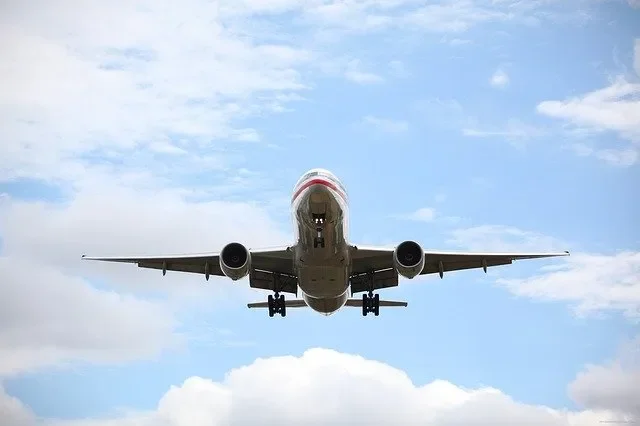
Abu Dhabi, UAE | The United Arab Emirates has officially lifted all air traffic restrictions that were imposed following the outbreak of the United States and Israel’s war on Iran. This move, announced by the country’s civil aviation authority, marks a significant step towards the normalization of air travel across the Middle East. The UAE’s General Civil Aviation Authority confirmed on Saturday the complete resumption of air traffic operations.
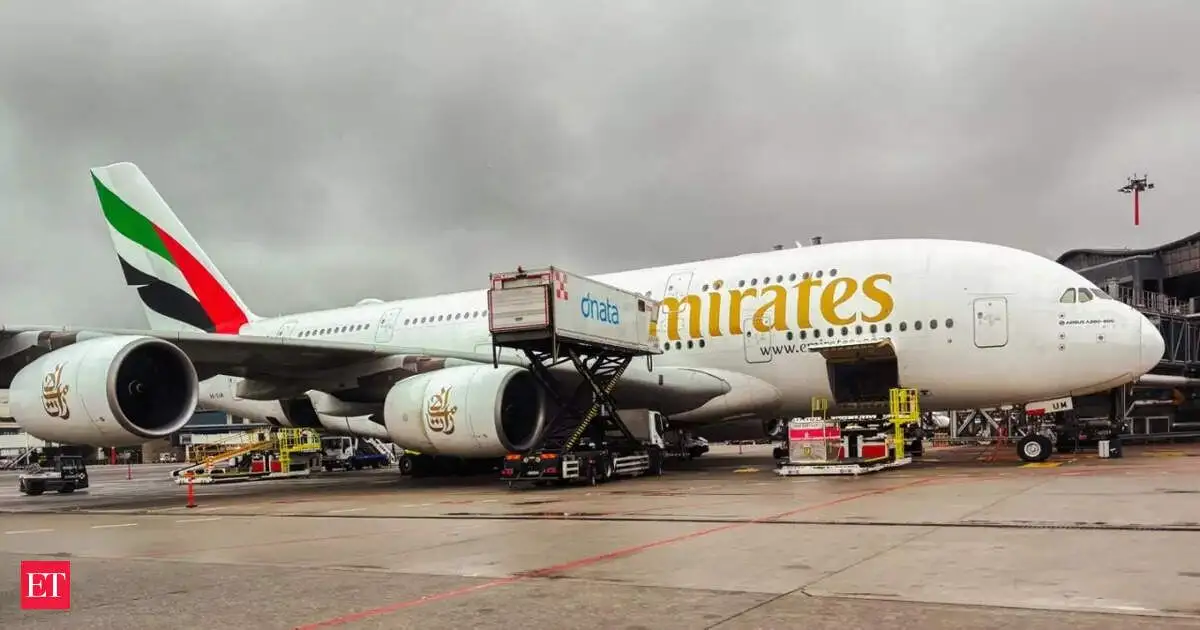
Major UAE carriers, including Emirates and flydubai, had previously halted operations, while Etihad suspended departures from Abu Dhabi. These disruptions were a direct consequence of the conflict, which saw Iran launch retaliatory strikes impacting airspace across the region. Following a conditional ceasefire that took effect on April 8, the UAE has experienced no further large-scale attacks, paving the way for a gradual restoration and subsequent full return of air traffic.
Read More: Fresno Airport $85 Million Funding Boost Improves Travel in April 2026
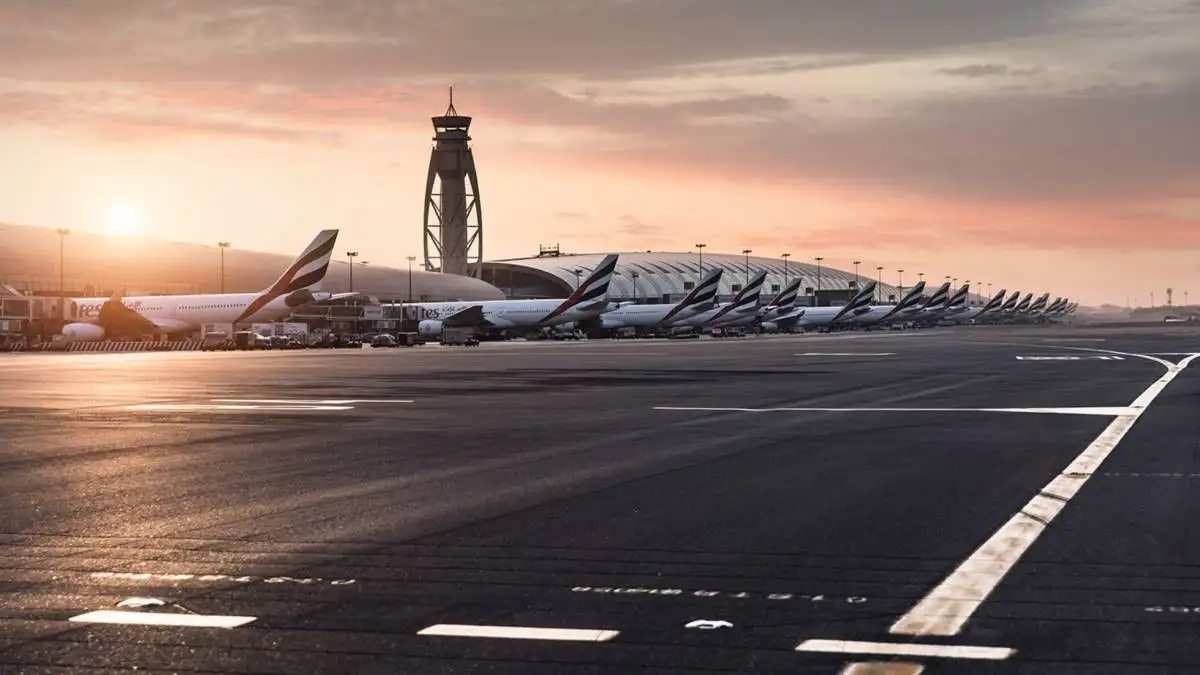
Aviation Sector Rebounds Amidst Easing Tensions
The lifting of restrictions signals a broader recovery for the travel sector. Airlines are progressively rebuilding capacity, with Emirates operating at approximately 80 percent of its pre-war capacity and Etihad around 75 percent. This resurgence is expected to alleviate pressure on crucial air routes connecting Europe, Asia, and Africa, as major carriers begin to reinstate their flight schedules. While some international airlines had maintained flight holds to the region, many are now re-establishing services.

The conflict had previously led to the closure of significant portions of regional airspace. Reports from mid-March 2026 indicated that Abu Dhabi authorities were assessing damage at the Shah gas field following a drone attack, alongside active responses from the UAE’s air defence systems to incoming threats from Iran. These events had prompted a temporary closure of the country's airspace amid rapidly evolving security developments.
Read More: Gulf Oil Exports Rise in June but Still Below Pre-War Levels
A Timeline of Disruption and Return
Initial airspace limitations were introduced on February 28, 2026, after Iran initiated missile and drone attacks targeting the UAE and other Gulf states. This period saw widespread disruption, including partial closures of key airports in Dubai and Abu Dhabi. While the UAE did not issue a formal notice of closure at the time, flight-tracking data and air traffic control communications confirmed the de facto closure of civilian airspace. Numerous carriers, including Emirates, Etihad, Qatar Airways, and British Airways, had to cancel or reroute flights during this time.
Other Gulf nations also implemented temporary measures. Qatar experienced flight suspensions, with Qatar Airways announcing the resumption of operations as its airport stabilized. Bahrain and Kuwait adopted a less conspicuous approach, with no official announcements regarding closures, though disruptions were noted. The situation in June 2025, referencing a separate instance of tensions and strikes on a US base in Qatar, also led to temporary airspace closures in Qatar, Kuwait, and Bahrain, affecting carriers like Emirates, Kuwait Airways, and Oman Air, and causing delays and cancellations. The ongoing regional security situation had prompted budget airline Wizz Air to issue warnings about potential disruptions.
Read More: Stratospheric Aerosol Injection risks to aviation safety in April 2026