:max_bytes(150000):strip_icc():focal(749x0:751x2)/spirit-airlines-plane-060725-3348dc2f3ee040669f5a1763c5164b3e.jpg)
Spirit Airlines, a long-standing player in the ultra-low-cost carrier sector, has officially ceased all operations. The company announced its shutdown early Saturday morning, effective immediately, after years of escalating financial struggles and failed rescue talks, including a proposed bailout from the Trump administration.
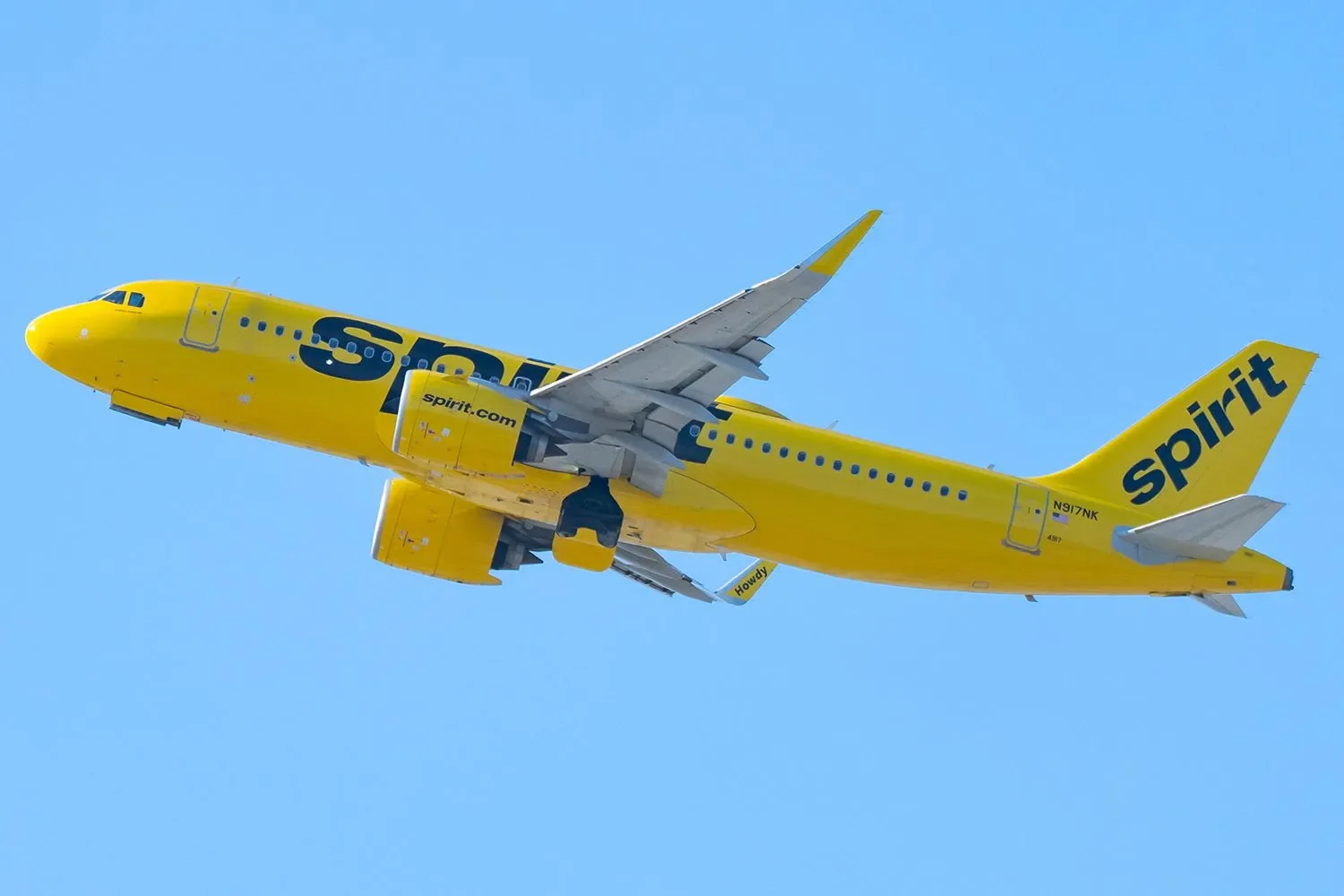
The airline, which employed approximately 7,000 people, including 2,000 pilots and 5,000 cabin crew, ran out of cash, forcing an abrupt end to its service. All upcoming flights have been cancelled, leaving thousands of passengers scrambling for alternative travel arrangements. Spirit Airlines has stated that it will automatically process refunds for flights purchased with a credit or debit card to the original form of payment. Those who booked through travel agents are advised to contact their agent directly for refunds. The airline's customer service is no longer operational.

US Transportation Secretary Sean Duffy has announced a series of measures aimed at assisting Spirit passengers. Several major US airlines, including United, Delta, JetBlue, and Southwest, have agreed to cap ticket prices for Spirit customers needing to rebook cancelled flights. These fare caps will require proof of a Spirit flight confirmation and payment. American Airlines, Frontier Airlines, and Allegiant have also committed to offering reduced or capped fares on routes previously served by Spirit.
Read More: Fresno Airport $85 Million Funding Boost Improves Travel in April 2026

Employee Impact and Industry Implications
The shutdown has immediate and significant consequences for Spirit's workforce. Many employees reportedly learned of their job losses through media reports. The absence of Spirit, a carrier known for pioneering budget travel strategies like charging for carry-on baggage, may also lead to an increase in overall airfares across the US. One expert suggested that the loss of a budget airline like Spirit will likely "raise the floor on airfares."
Read More: FIFA World Cup 2026 Revenue Reaches $15 Billion With New Ticket Prices
A History of Financial Turbulence
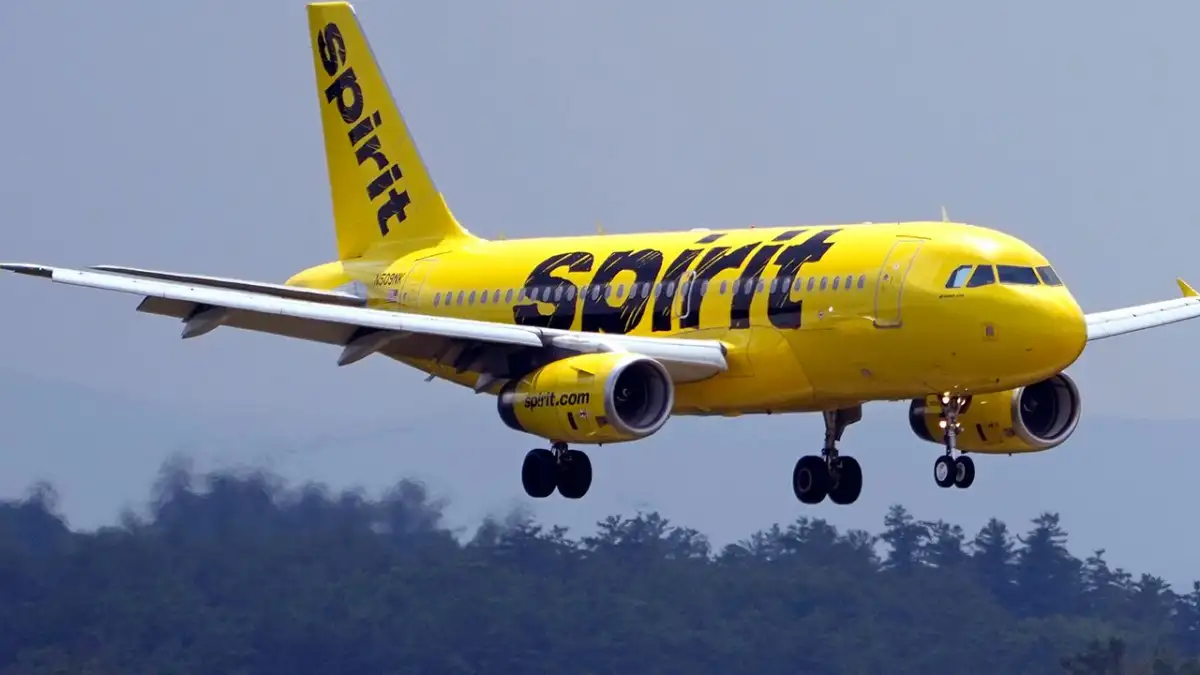
Spirit Airlines' demise follows a prolonged period of financial difficulty. The company had filed for bankruptcy twice previously, in November 2024 and August 2025. A quarterly earnings report in August 2025 had already expressed "substantial doubt as to the company’s ability to continue as a going concern within 12 months." Despite efforts, including a proposed merger with Frontier Airlines announced in February 2022, the airline was unable to recover. CEO Dave Davis cited "sudden and sustained rise in fuel prices" as a final blow, leaving the company with "no alternative but to pursue an orderly wind-down." The airline operated for approximately 34 years, beginning as a charter service in the 1980s and transitioning to scheduled service in the early 1990s.
Political Undercurrents
The shutdown has also become a point of political contention. Officials from the Trump administration have publicly blamed President Joe Biden's administration for Spirit's financial woes. Conversely, reports indicate that White House discussions about a potential bailout with the Trump administration ultimately failed to materialize, contributing to the airline's decision to cease operations.
Read More: Stratospheric Aerosol Injection risks to aviation safety in April 2026