:max_bytes(150000):strip_icc():focal(749x0:751x2)/spirit-airlines-plane-060725-3348dc2f3ee040669f5a1763c5164b3e.jpg)
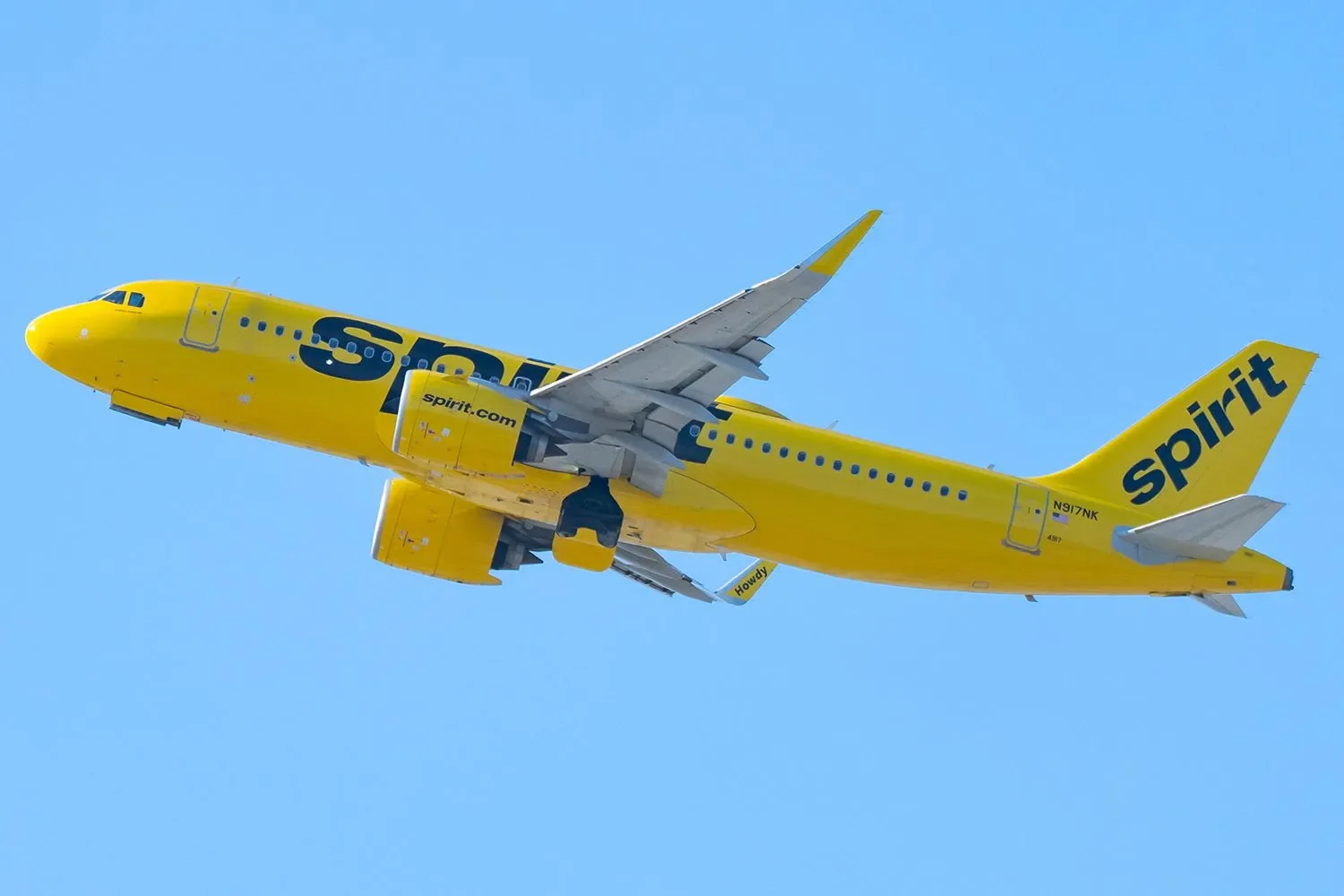
Spirit Airlines, the pioneering ultra-low-cost carrier, has ceased all operations as of Saturday, May 2, 2026. The abrupt shutdown leaves thousands of passengers stranded and employees without jobs, marking the first major US airline failure in 25 years. The company cited escalating financial struggles and the inability to secure a last-minute lifeline as the reasons for its demise.
The airline's collapse impacts an estimated 17,000 employees and thousands of travelers nationwide, with all scheduled flights cancelled immediately. Transportation Secretary Sean Duffy announced a series of measures to assist affected passengers, including agreements with major carriers like United, Delta, JetBlue, and Southwest to cap ticket prices for Spirit customers needing to rebook. American Airlines, Delta, and Frontier are also offering reduced fares on routes formerly served by Spirit.
Immediate Aftermath and Passenger Impact
Passengers awoke Saturday to find their travel plans in disarray. Many reported no prior notification from Spirit regarding the cancellations. Reports from airports like LaGuardia described quiet terminals with no Spirit staff or information available, only signs confirming the cancellations.
Read More: Fresno Airport $85 Million Funding Boost Improves Travel in April 2026
Stranded travelers are scrambling to make alternative arrangements.
Those who booked through travel agents are advised to contact their agents.
Spirit stated that refunds for flights purchased directly with a credit or debit card will be automatically processed to the original form of payment.
However, the airline is not offering to rebook passengers on other carriers or reimbursing incidental travel costs.
Spirit's 'Free Spirit' reward program points are no longer valid.
Underlying Causes of the Collapse
While the immediate cause is a lack of cash, Spirit's struggles had been ongoing for years. Several factors contributed to the airline's downfall:

Intensified Competition: Larger rivals adopted Spirit's own cost-saving and unbundled fare strategies, diminishing Spirit's competitive edge.
Rising Fuel Costs: The ongoing 'war in Iran' has significantly driven up jet fuel prices, pinching the already thin margins of ultra-low-cost carriers. Transportation Secretary Sean Duffy, however, disputed pinning the closure solely on the war's impact on fuel prices.
Failed Rescue Attempts: Despite talks with the federal government, including potential intervention suggested by former President Donald Trump, no bailout deal materialized. Rescue talks with the Trump administration specifically failed to prevent the shutdown.
Previous Financial Troubles: Spirit had filed for bankruptcy twice previously, in November 2024 and August 2025. An August 2025 earnings report had already expressed "substantial doubt" about the company's ability to continue as a going concern.
A Legacy of "A La Carte" Travel
Spirit Airlines, founded in the 1980s and operating under its current name since the early 1990s, pioneered the "a la carte" model of air travel. This strategy, which involved charging extra for nearly everything from checked bags to in-flight water, reshaped the budget airline industry and was later emulated by competitors. The airline flew over 50,000 passengers on its final day of operations.
The failure of a proposed merger with Frontier Airlines, announced in February 2022, also looms as a potential missed opportunity for the carrier to achieve greater scale. The planned merger was intended to create the fifth-largest US airline.