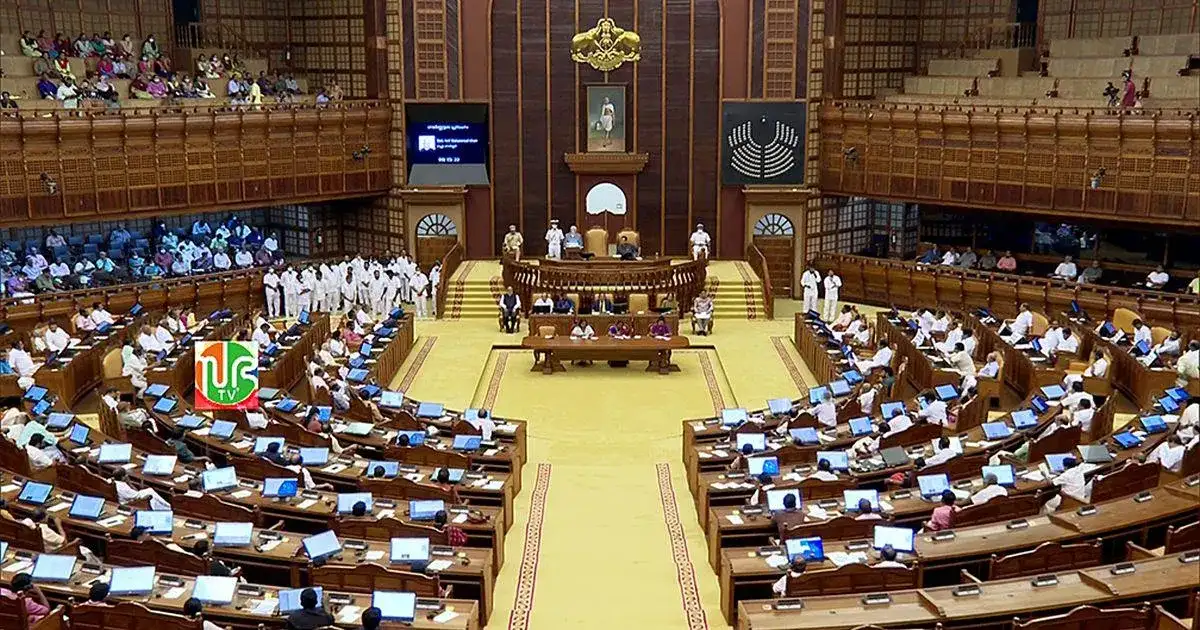
A recent statement by Kerala Governor Rajendra Vishwanath Arlekar has brought a long-standing debate about the origins of the caste system in India to the forefront. The Governor asserted that the Hindu religion did not inherently contain a caste system, but rather a "varna" system, and that the British colonial administration introduced the concept of caste during their census operations. This claim suggests that British policies may have codified and solidified social divisions that were previously less rigid or absent. The implications of such a historical reinterpretation are significant, potentially altering understandings of India's social fabric and the historical role of British rule.
Historical Context of Caste in India
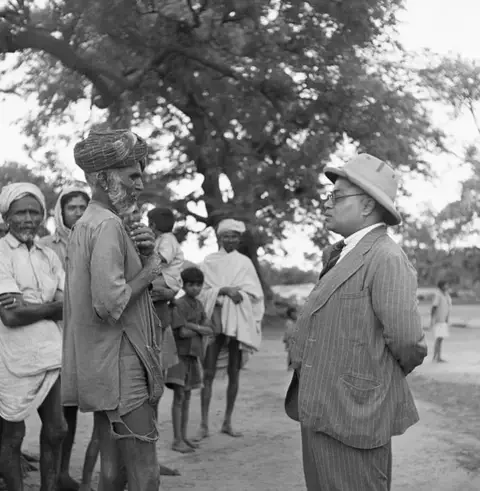
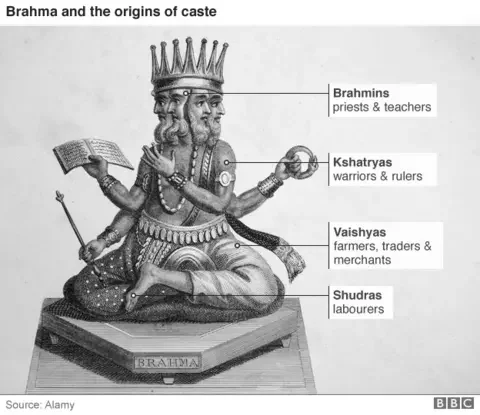
The caste system in India is a complex and ancient social hierarchy. Historically, it has been understood through the lens of varna, a four-tiered classification (Brahmin, Kshatriya, Vaishya, and Shudra) with roots in Vedic texts. Below these were groups often considered outside the varna system, historically referred to as "untouchables" or Dalits. However, the precise nature and rigidity of this system in pre-colonial times, particularly in different regions of India, is a subject of ongoing academic discussion.
Read More: Penrith NRL Team Has Best Start in History, English Town Focuses on History
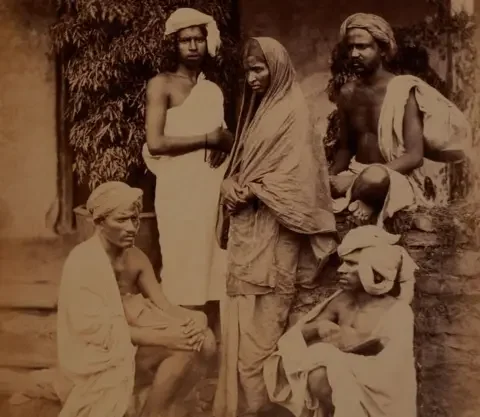
Varna System: A theoretical framework of social stratification based on spiritual purity and occupation.
Caste (Jati): More granular, hereditary endogamous groups, often linked to specific occupations, with thousands of such divisions across India.
Regional Variations: The caste system's manifestation and social impact differed significantly across India's diverse regions.
Governor Arlekar's Assertion on British Influence
Governor Arlekar's central argument is that the British administration, when conducting the first census in India, erroneously or deliberately recorded social distinctions as castes. He posits that this act by the British led to the formalization and entrenchment of a caste-based social structure.
"Otherwise, there was no caste. Hindu was never a ‘patit.’ It was always a higher-level caste with a higher-level varna."
The Governor also highlighted institutions like the Puthumana Thanthra Vidyalayam, noting its inclusive approach by providing tantri training irrespective of caste, as an example of how distinctions might have been managed differently before perceived external interventions.

Academic Perspectives on British Role in Caste System
Scholars and historical analyses offer nuanced views on the British impact on India's caste system, with many acknowledging a significant role in its rigidification.
Codification and Enumeration: The British, through census operations and administrative records, sought to categorize and quantify Indian society. This process, according to some interpretations, gave fixed identities to fluid social groups and hierarchies.
Legal and Administrative Structures: British colonial policies, including the introduction of separate electorates and personal laws based on religious and communal identities, are seen by some as having solidified divisions that were previously more amorphous.
Reservation Policies: While initiated post-independence, the framework for caste-based affirmative action has roots in administrative classifications made during the colonial era.
"In fact, it is doubtful that caste had much significance or virulence in society before the British made it India's defining social feature."
Kerala's Unique Caste Landscape
The state of Kerala, where Governor Arlekar made his remarks, has a distinct history of social stratification and reform movements.
Regional Differences: The caste system in Kerala, as documented in historical and academic accounts, differed from patterns observed elsewhere in India. It was described as ritualized but not necessarily adhering to the strict varna model found in other parts of the country.
Social Reform Movements: Kerala has a rich history of social reform movements that challenged caste discrimination. However, these movements sometimes aimed to elevate the status of lower castes within existing structures rather than dismantle them entirely.
Pre-Colonial Hierarchies: Accounts suggest the existence of specific hierarchies in Kerala, such as the Namboodiri community being placed above Brahmins and other groups in certain social orders.
"The caste system in Kerala differed from that found in the rest of India."
Analysis of Evidence and Claims
Governor Arlekar's claim that the British introduced caste into Hinduism requires careful examination against historical evidence. While it is widely accepted that British administrative practices, particularly the census, played a role in codifying and ossifying caste identities, the assertion that castes were entirely absent before this intervention is a more absolute statement.
Read More: India Lok Sabha Seats: Southern States Will Not Lose Seats Amidst Expansion Plans
Evidence for British Impact: Multiple sources corroborate that British policies, including census enumeration and administrative classifications, led to a more rigid and defined caste system. The BBC article explicitly suggests that British actions made "amorphous categories concrete." The discussion of communal electorates and legal codes in Article 6 also points to British policies solidifying social divisions.
Evidence for Pre-British Social Divisions: The existence of distinct social hierarchies and rituals predating British rule is evident from historical accounts of Kerala and India more broadly. Britannica mentions that the origin of the caste system is not known with certainty, implying a long historical presence. Article 8 on Kerala's social reforms points to a "highly caste-ridden Kerala society" even before or during the colonial period, where lower castes sought to "Brahmanise" themselves to claim status. This suggests the existence of caste-like structures that predated or existed alongside British administration.
Varna vs. Jati: The Governor's distinction between varna and caste is critical. If "caste" refers specifically to the detailed, occupation-based jati system, then the claim that the British formalized these specific divisions is more defensible. If it implies the complete absence of any social hierarchy or differentiation, then evidence of pre-British social structures would challenge that interpretation.
Conclusion and Future Inquiries
Governor Rajendra Vishwanath Arlekar's statement raises pertinent questions about the historical construction of the caste system in India and the specific role of British colonial policies. While evidence strongly supports the view that British administration contributed significantly to the rigidification and formalization of caste divisions, the claim that castes were entirely absent before this period requires further historical investigation.
Confirmation of British Role: The impact of British census operations and administrative practices in solidifying caste identities is well-documented.
Pre-Colonial Hierarchies: The existence of pre-existing social stratifications and regional variations in caste systems across India, including Kerala, is also supported by historical data.
Clarification Needed: Further scholarly discussion and historical research are needed to precisely delineate the extent to which the British "introduced" caste versus "codified and entrenched" existing or evolving social distinctions. The Governor's emphasis on "varna" versus "caste" may represent a nuanced distinction within this complex historical debate.
Sources
The Hindu: https://www.thehindu.com/news/national/kerala/hindu-religion-had-no-castes-britishers-introduced-it-kerala-governor/article70649156.ece
Context: A news report detailing Kerala Governor Rajendra Vishwanath Arlekar's statement on the origins of the caste system and the role of the British.
BBC News: https://www.bbc.com/news/world-asia-india-48619734
Context: An opinion piece exploring how British policies may have reshaped and intensified the caste system in India, suggesting caste had less significance before colonial rule.
Wikipedia: https://en.wikipedia.org/wiki/CastesysteminKerala
Context: An encyclopedic overview of the caste system in Kerala, noting its unique characteristics compared to other regions of India.
Live History India: https://www.livehistoryindia.com/story/eras/kerala-caste-politics
Context: An article discussing caste politics in Kerala, referencing historical caste discrimination and the influence of reform movements alongside colonial changes.
Britannica: https://www.britannica.com/topic/Hinduism/Castes
Context: A detailed entry on Hinduism, including a section on the caste system, its origins, and the search for escape routes from social hierarchies.
Explaining History Podcast: https://explaininghistory.org/2025/06/05/divide-and-rule-the-role-of-british-colonial-policy-in-shaping-communal-identities/
Context: A discussion on British colonial policies, particularly "divide and rule," and their impact on shaping communal identities and administrative practices in India.
Context: Information on religion in India, including notes on the unique caste system in Kerala and its social dynamics.
Academia.edu: https://www.academia.edu/96213105/ColonialModernityandSocialReformsMobilisationofLowerCasteCommunitiesinKerala
Context: An academic paper examining social reform movements in Kerala, focusing on the mobilization of lower castes and their identity articulation within a caste-ridden society during the colonial era.
New Internationalist: https://newint.org/features/1993/03/05/simply
Context: A feature on Kerala, discussing its social and political landscape, including historical clashes over caste and land reform, and the emergence of communal tensions.