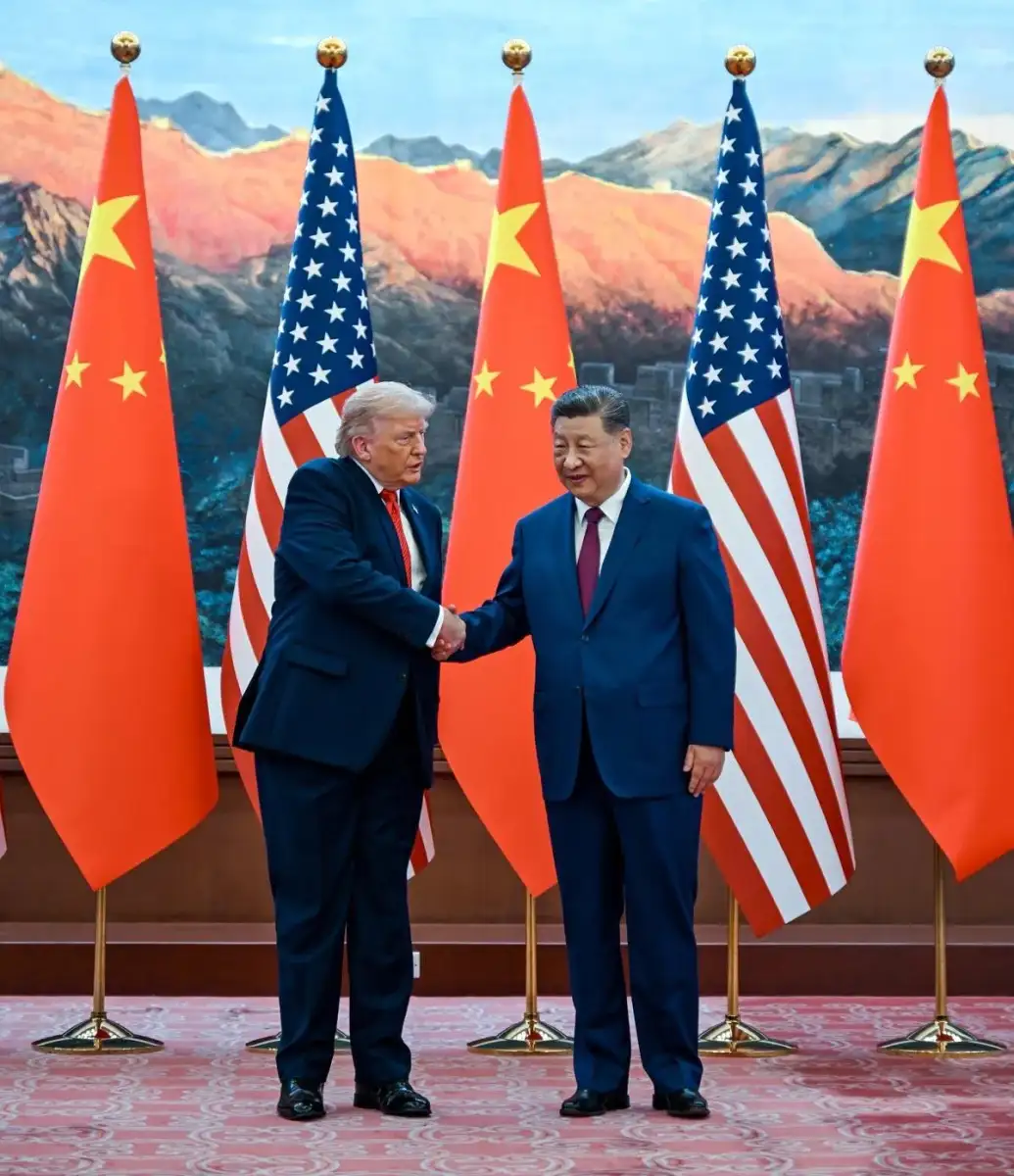
BEIJING - President Donald Trump concluded a summit with Chinese leader Xi Jinping marked by elaborate displays of hospitality and a pronounced lack of public confrontation, underscoring a delicate dance between two global powers. The encounter, which included a lavish state dinner and private performances, saw Trump notably abstain from his usual public pronouncements and social media blitz, a departure from his typical style when engaging with international leaders.

The summit centered on navigating a complex web of economic interdependence and geopolitical rivalry, with the US seeking concessions on trade and rare earth minerals, while China aims to maintain its economic model amidst global pressures. This fragile understanding was underscored by the presence of top American business leaders, including Elon Musk of Tesla and Tim Cook of Apple, who joined Trump’s delegation, signaling a focus on economic ties amidst heightened tensions.
Read More: Australia Opposition Wants Fewer Immigrants, Lower Taxes

A Calculated Performance on the World Stage
The public relations aspect of the meeting was clearly managed. Chinese officials curated an atmosphere of intimacy and prestige, seating Trump alongside Xi for events like a private opera performance. This setting aimed to project a united front, despite underlying frictions. Trump’s uncharacteristic quietude on the flight to Beijing and his deliberate silence on sensitive topics like Taiwan, particularly when queried by reporters, contrasts sharply with his more tempestuous appearances in other global arenas. This behavior has been interpreted by some as a calculated deference, possibly influenced by the need for Chinese support in managing international crises, such as the situation in Iran, and securing significant purchases of American goods, like Boeing aircraft, to bolster his domestic political standing.
Economic Interdependence Underpins Rivalry
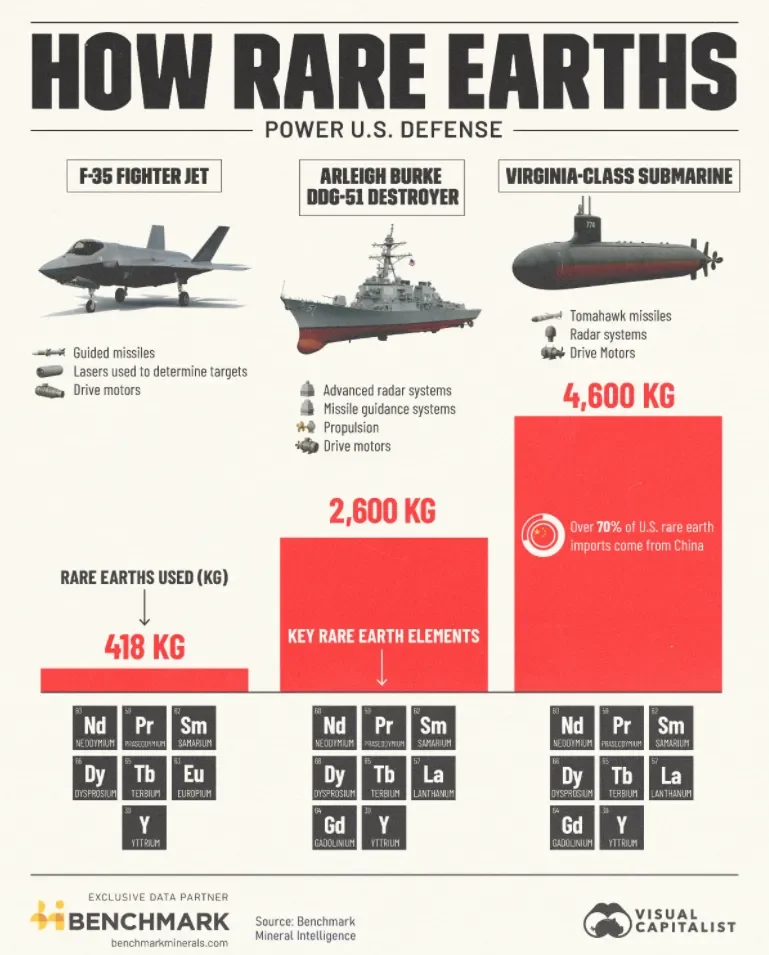
Beneath the surface of statecraft, the economic realities continue to bind the two nations. The United States’ reliance on China for crucial rare earth minerals, juxtaposed with China’s dependence on American semiconductor technologies, creates a symbiotic, albeit contentious, relationship. Previous agreements, such as the reduction of tariffs and the rollback of US export control rules, have offered temporary reprieves, leading to a perception that China may have leveraged these periods to avoid necessary structural economic reforms. The extension of a pause on China’s export controls for rare earth minerals, for instance, highlights this ongoing negotiation, where China's leverage over critical resources remains a significant factor.
Read More: Trump and Xi Body Language Shows Different Styles in Beijing Meeting
A History of Fleeting Agreements and Underlying Competition
The current summit occurs against a backdrop of significant geopolitical tension, with both nations seeking to maintain a semblance of stability. Experts have previously noted a pattern where China, through its strategic patience and counter-measures, appears to have gained an advantage in trade disputes. For example, China's control over rare earth exports was seen as a potent bargaining chip against US tariffs, a move that critics argue left the US in a weaker position despite initiating the trade conflict. While these meetings offer a temporary cooling-off period, the fundamental rivalry persists, with past outcomes described as "more grand bazaar than grand bargain," suggesting a focus on short-term deals rather than lasting resolutions. The inherent power dynamics, with both leaders exhibiting a penchant for projecting strength, ensure that their interactions remain a subject of intense scrutiny and complex geopolitical calculation.
Read More: Antidepressant Use Debated After Political Statements