High Stakes in Beijing: Trade, Taiwan, and Human Rights on the Table
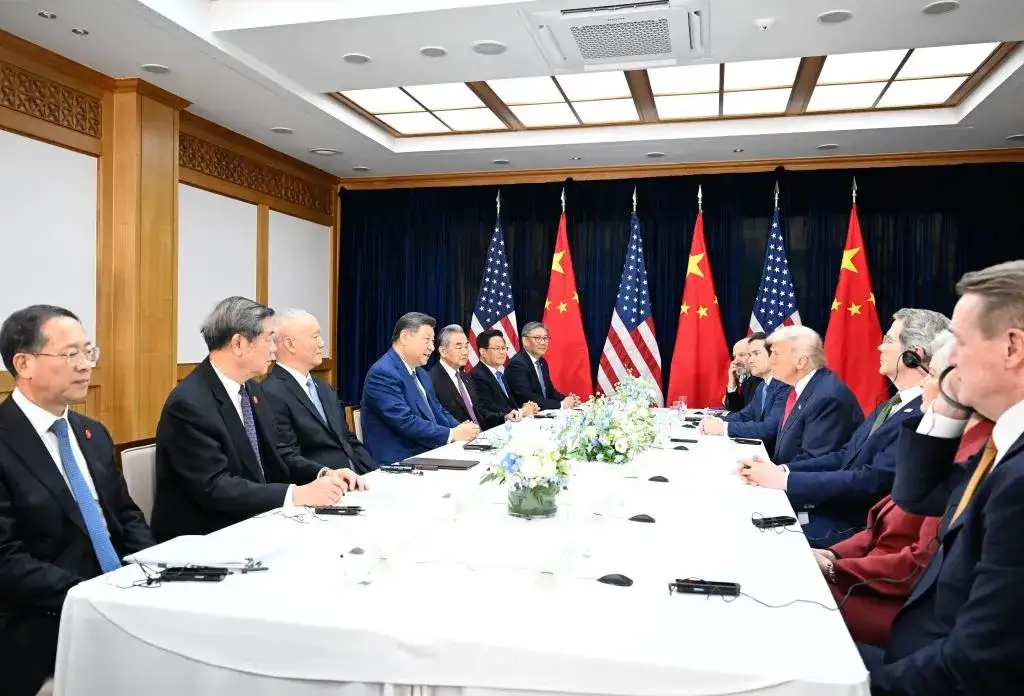
A crucial summit between U.S. President Donald Trump and Chinese President Xi Jinping is set to commence, marked by heightened geopolitical tensions and a complex interplay of economic and human rights concerns. The meetings, reportedly the first of four anticipated encounters over the coming year, arrive as the United States seeks to navigate a path toward maintaining a "fragile stability" in its relationship with China. Uyghur advocates are closely watching, hoping for a return to the "toughness" displayed during Trump's first term, particularly concerning human rights abuses in Xinjiang.
The Uyghur community's hope for a return to a more assertive U.S. stance on human rights under Trump is palpable, especially in light of past actions and appointments that have fueled both optimism and alarm among advocates.
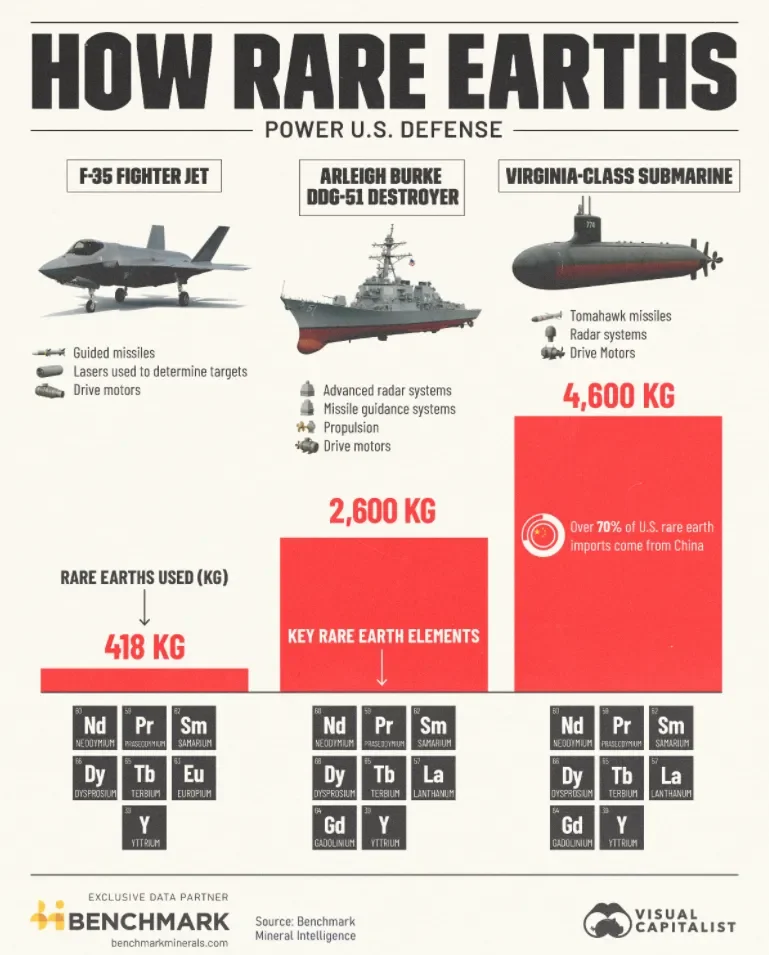
The agenda appears to be packed, with trade relations remaining a significant factor. Recent interactions, such as the Busan meeting in December 2025, saw the U.S. secure pledges on curbing fentanyl, increasing agricultural purchases, and delaying expanded export controls on rare earth minerals. However, China's exclusion from accessing high-end U.S. chips, a key element in the artificial intelligence race, remains a point of contention.
Read More: AFP Reviews War Crime Claims Against Australian in Gaza
Advocacy and Apprehension: The Uyghur Perspective
For Uyghur human rights advocates, the prospect of Trump's engagement with Xi Jinping carries significant weight. During Trump's first term, appointments like that of Senator Marco Rubio to potential cabinet positions inspired "cautious optimism" due to his tougher stance on China and vocal support for Uyghurs, including his leadership in shaping the 'Uyghur Human Rights Policy Act'.
However, these hopes are tempered by a perceived preference for prioritizing "business interests over human rights concerns," a dynamic that worries advocates who fear that the "strategic opportunity to leverage human rights issues" might be sacrificed for "short-term gains." The invitation to Xi Jinping for Trump's inauguration, even years ago, was seen by some as a "slap in the face to Uyghurs," signaling a complex and often contradictory approach.
Geopolitical Chessboard: From Trade Wars to Taiwan
The upcoming summit occurs against a backdrop of broader geopolitical maneuvers. China's approach, characterized by a "hardball strategy," has seen it defer measures that could impact global industries reliant on its rare earth minerals. Meanwhile, the U.S. is reportedly focusing on "hiding its assets and biding its time," investing in domestic processing and forming coalitions to reduce dependence on China, a strategy aimed at preparing for a future where it can "push back on China and withstand possible retaliation."
Read More: Man Dies After Setting Fire Outside UN in Protest
Questions linger about U.S. preparedness on critical issues, such as Taiwan. The "black box" nature of Chinese policymaking adds a layer of uncertainty, and there are concerns about whether U.S. officials will adequately brief Trump on how to avoid conceding too much on the sensitive issue of Taiwan.
A History of Tense Engagement
Past meetings between Trump and Xi have yielded mixed results. A less-than-two-hour meeting in October 2025 at an airbase in South Korea was viewed by some as a "win for China’s hardball strategy," with China deferring its expanded export control regime on rare earth minerals. Despite Trump framing outcomes like fentanyl curbs and agricultural purchases as successful negotiations, the broader economic and geopolitical landscape remains fraught with complexity. The United States' imposition of port fees on Chinese vessels and China's introduction of new export controls on rare earth elements prior to the December 2025 Busan summit underscore the ongoing economic tensions.
Read More: Indus Waters Treaty remains suspended in India and Pakistan April 2026
The approach to China under U.S. administrations, including the current one, has seen shifts. Notably, Joe Biden was the first U.S. president not to visit China since relations were established, highlighting the evolving nature of this critical bilateral relationship. The "reset or reprieve" offered by these summits remains a subject of intense observation and speculation.