

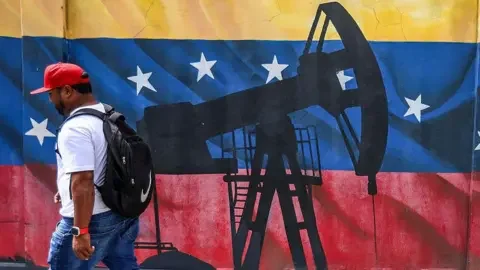
President Trump's bold proposals to revitalize Venezuela's oil industry and leverage its vast reserves face considerable challenges. While the stated goal is to increase global oil supply and potentially lower prices, the plan is met with widespread skepticism from experts and oil executives alike. The complex web of political instability, damaged infrastructure, existing sanctions, and the sheer scale of investment required present formidable hurdles to achieving any significant or rapid turnaround.
The United States, under President Trump, has expressed a strong desire to intervene in Venezuela's oil sector. This initiative is framed as an opportunity to tap into one of the world's largest oil reserves, which proponents argue could significantly impact global oil markets. However, the operational and political realities on the ground in Venezuela cast a long shadow over these ambitions.
Read More: US Official Asks Europe to Be Stronger and Work Together
Timeline of Events and Key Actors
The push for Venezuelan oil revival gained traction around early January 2026, with pronouncements from President Trump outlining his vision. This period saw meetings between Trump and oil executives, as well as public statements from government officials and industry analysts.
President Donald Trump: The primary architect of the plan, advocating for U.S. oil companies to invest in and revitalize Venezuela's oil industry.
U.S. Oil Executives and Companies: The proposed key players in implementing the revitalization efforts. Their response has been largely cautious, citing concerns about stability and profitability.
Venezuelan Government (under President Nicolás Maduro): The existing governing body whose ousting is implied or a prerequisite for the proposed U.S. intervention.
Energy Secretary Chris Wright: A U.S. official who has spoken about the administration's goals, acknowledging the lack of significant progress on investment targets.
Industry Analysts and Experts: Provide commentary and analysis on the feasibility and potential impacts of the proposed plan.
Evidence of Challenges
Multiple reports highlight the deep-seated issues hindering any swift revival of Venezuela's oil sector. The current state of affairs is a stark contrast to its former prominence.
Read More: Leaders Disagree on Trump's Words, Worry About Safety

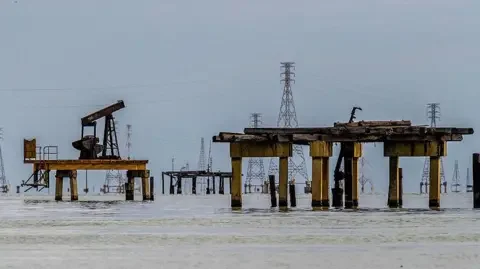
Damaged Infrastructure: Venezuela's oil industry is described as being "in ruins" and "in disrepair," with visible signs like broken pipelines and a generally tattered infrastructure.
Economic Turmoil and Corruption: Years of economic hardship, coupled with allegations of corruption, have significantly weakened the state-owned oil company, PDVSA.
Sanctions: Existing U.S. sanctions on Venezuela, along with global sanctions impacting other oil producers like Russia, have disrupted supply chains and complicated operations.
Oil Quality: Venezuela's oil is noted as being of "poorer quality" compared to other major producers.
Political Instability: Persistent political uncertainty is identified as a major impediment to any long-term investment and revival efforts.
Existing Legal Claims: Major U.S. oil companies like Exxon Mobil and ConocoPhillips have outstanding claims against the Venezuelan government due to nationalization of assets, posing a legal quandary.
Expert Opinions on Feasibility
A consistent theme across reports is the skepticism from industry experts regarding the rapid implementation and success of Trump's plan.
Read More: Poison Frog Toxin Allegedly Used in Alexei Navalny's Death
"President Donald Trump says the U.S. will revive Venezuela's ailing oil industry, but experts see towering economic and legal obstacles to a quick turnaround."
Experts contend that revitalizing Venezuela's oil production to historical levels is neither an easy nor an inexpensive undertaking. The overall global oil market also currently faces a surplus, potentially diminishing the immediate impact of any new Venezuelan output on prices.
Oil Company Response
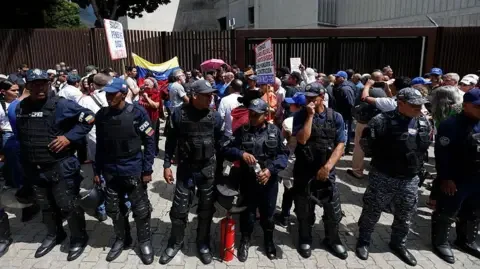
U.S. oil companies have expressed significant reservations about investing in Venezuela.
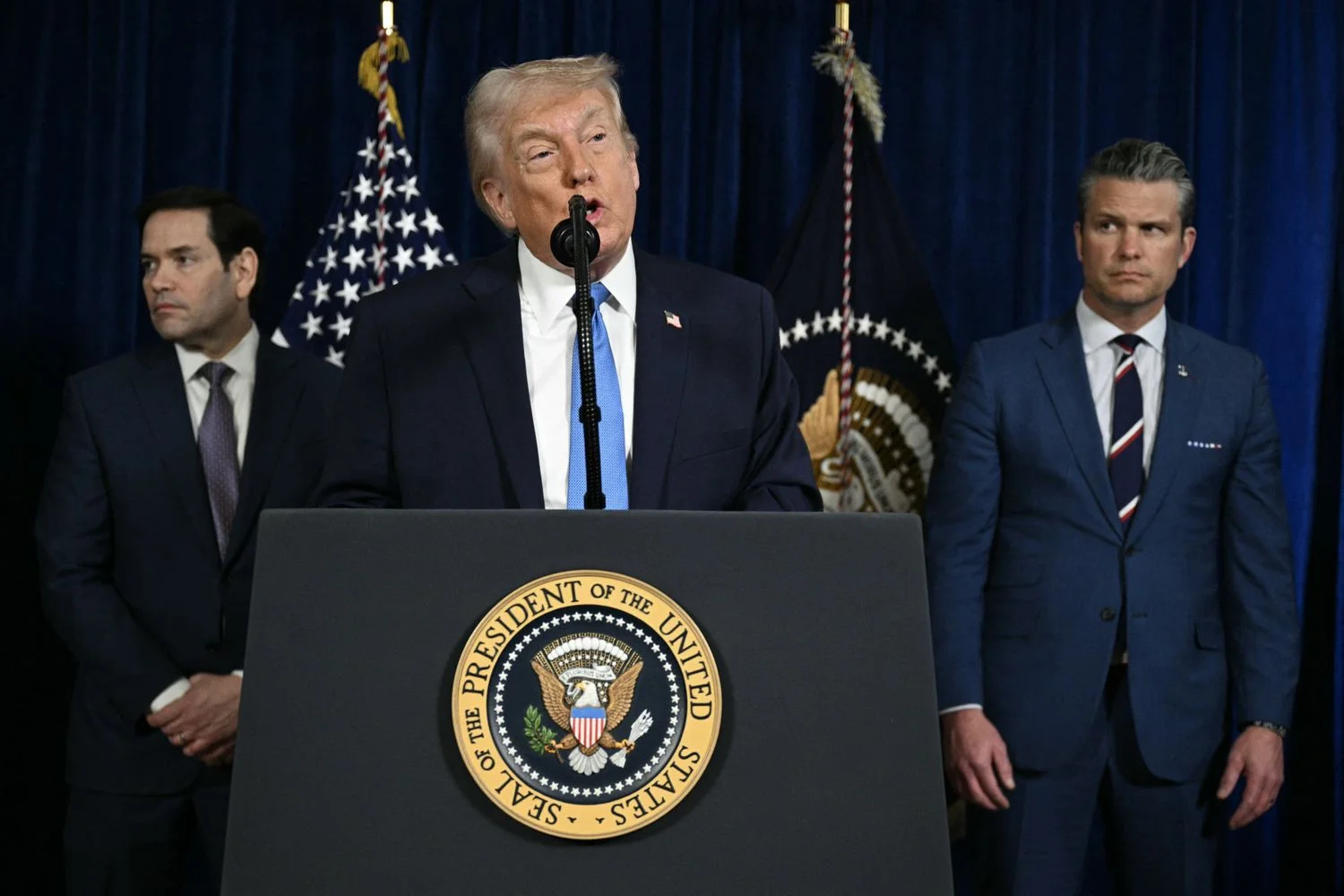
Meeting with Executives: President Trump met with oil executives in early January 2026 to discuss his proposals.
Lack of Commitments: Following the meeting, there were no major commitments from companies to invest billions of dollars.
"Uninvestable" Status: Some executives, including prominent figures in the industry, have characterized Venezuela as "uninvestable" under current conditions, citing a lack of assurances regarding long-term stability.
Need for Assurances: Even strong supporters of the administration, like oil investor Harold Hamm, indicated they would require substantial assurances before backing any reinvestment scheme.
The Question of Reserve Estimates
While Venezuela is known for its vast oil reserves, questions remain about their precise scale and accessibility.
Read More: Obama Thinks Aliens Might Be Real, But Not at Area 51
Doubts over True Size: There are expressed doubts regarding the "true size" of Venezuela's oil reserves.
Operational Difficulties: Even if reserves are substantial, extracting the oil presents significant operational difficulties.
Global Market Implications
The potential U.S. involvement in Venezuela's oil sector could have broader implications for global energy markets.
Shifting Power Balance: Increased U.S. leverage over oil production in the Western Hemisphere, encompassing Canada, Guyana, and potentially Venezuela, could tilt the balance of power in global energy markets westward.
Impact on Middle Eastern Producers: Such a shift could be unsettling for oil producers in the Arab Gulf.
Testing a New Order: Trump's approach is seen as testing a new global oil order, with the U.S. potentially re-emerging as a central anchor of a Western Hemisphere-focused oil system.
Diesel Supply Concerns: The sanctions on Venezuelan oil have contributed to a global shortage of diesel, and U.S. lighter crude oil cannot easily substitute for it.
Conclusion and Next Steps
President Trump's ambition to revive Venezuela's oil industry is currently met with substantial practical and political barriers. The infrastructure is in severe disrepair, political stability is precarious, and economic conditions are dire. Furthermore, major U.S. oil companies remain hesitant to commit significant capital due to the inherent risks and a lack of clear assurances.
Read More: Barack Obama Says Aliens Are Real, But Not at Area 51
The administration's stated goal of "changing the behavior of the government in Venezuela" is acknowledged as the initial step, but the path to achieving the proposed $100 billion in new investments and substantial increases in oil production remains unclear. The viability of this plan hinges on overcoming deeply entrenched issues that have plagued Venezuela's oil sector for years. Future actions will likely depend on demonstrable improvements in political stability and a clearer regulatory framework for potential investors.
Sources
BBC News: Trump has big plans for Venezuela's oil but are they feasible? (Published: 9 hours ago)🔗 https://www.bbc.com/news/articles/c4gjx1j1nkjo
Investopedia: Trump Claims U.S. Will 'Fix' Venezuela's Oil Industry, But Experts Warn of Major Challenges (Published: Jan 5, 2026)🔗 https://www.investopedia.com/trump-claims-us-will-fix-venezuela-s-oil-industry-but-experts-warn-of-major-challenges-11879406
PBS NewsHour: Experts say Trump's plan to seize and revitalize Venezuela's oil industry faces major hurdles (Published: Jan 4, 2026)🔗 https://www.pbs.org/newshour/world/experts-say-trumps-plan-to-seize-and-revitalize-venezuelas-oil-industry-faces-major-hurdles
NPR: How are U.S. oil companies responding to Trump's plans for Venezuela? (Published: Jan 10, 2026)🔗 https://www.npr.org/2026/01/10/nx-s1-5672508/how-are-u-s-oil-companies-responding-to-trumps-plans-for-venezuela
CNN Politics: ‘It’s uninvestable’: Trump’s Venezuela pitch met with skepticism from oil executives (Published: Jan 9, 2026)🔗 https://edition.cnn.com/2026/01/09/politics/oil-executives-venezuela-white-house
Sky News: Trump needs US oil firms to make his Venezuela plan work - but can they deliver? (Published: Jan 6, 2026)🔗 https://news.sky.com/story/trump-needs-us-oil-firms-to-make-his-venezuela-plan-work-but-can-they-deliver-13491103
Los Angeles Times: Venezuela's oil industry is in ruins. Reviving it won't be easy (Published: 22 hours ago)🔗 https://www.latimes.com/world-nation/story/2026-02-15/with-venezuelas-oil-infrastructure-in-ruins-trump-faces-huge-challenge-to-bring-it-back-to-glory-days
MECouncil: How Trump’s Venezuela Play Is Testing a New Global Oil Order (Published: Feb 8, 2026)🔗 https://mecouncil.org/blogposts/how-trumps-venezuela-play-is-testing-a-new-global-oil-order/


:max_bytes(150000):strip_icc():focal(749x0:751x2)/Area-51-021526-7fa2c23c18cc43a3a1d9656de6bbe612.jpg)
