
Concerns Rise Over Use of Rare Toxin in Political Opponent's Death
Alexei Navalny, a prominent Russian opposition leader, has died under circumstances that five European nations allege involve the use of a rare and potent toxin derived from poison dart frogs. The United Kingdom, France, Germany, Sweden, and the Netherlands jointly stated that laboratory analyses of samples from Navalny's body confirmed the presence of epibatidine, a substance found in certain poison dart frogs native to South America. Navalny died in a Siberian penal colony on February 16, 2024, with the official cause of death initially reported by Russia as a result of natural causes following a walk. This development has amplified long-standing accusations against Russia regarding the use of chemical agents against its political opponents.
Background and Accusations
Alexei Navalny, a staunch critic of President Vladimir Putin, died in an Arctic penal colony. His widow, Yulia Navalnaya, has consistently blamed Putin for his death, citing previous findings from two independent laboratories that indicated her husband was poisoned shortly before he died.
Read More: Tiger Woods spoke to President Trump after Florida car crash on 2 April 2026
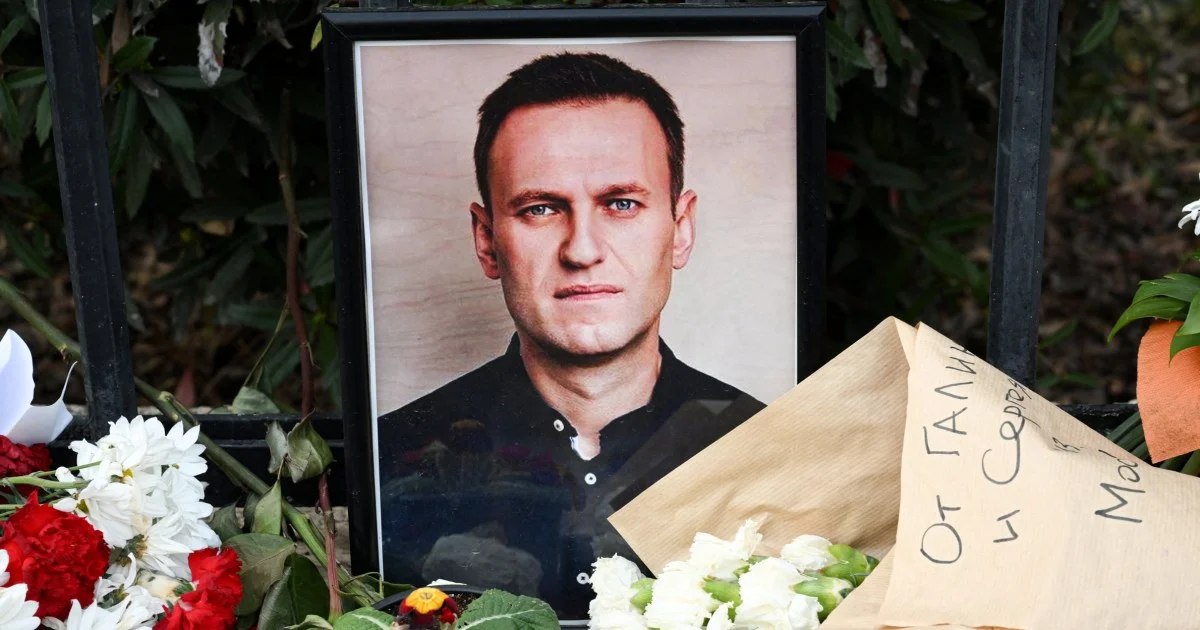
The recent accusations emerged after laboratory results were shared by several European countries. These findings suggest that epibatidine, a toxin known for its extreme potency, was present in samples from Navalny's body. The five nations have formally reported Russia to the Organization for the Prohibition of Chemical Weapons (OPCW) for an alleged breach of the Chemical Weapons Convention.
"Russia had the means, motive and opportunity to administer this poison." - Joint Statement by Five European Nations
The use of such a specific and rare toxin is seen by some as a deliberate act, aimed at being precise and deniable. This alleged poisoning fits into a pattern of high-profile cases involving alleged poisoning of Russian dissidents, including the Novichok nerve agent incidents involving Dawn Sturgess and Sergei Skripal.
Read More: Karaj B1 bridge attack in Iran leaves 8 dead as Donald Trump urges new peace deal

Epibatidine: A Potent Toxin
Epibatidine is a powerful alkaloid found in the skin of certain poison dart frogs, primarily in South America. It is known to act on nicotinic receptors in the nervous system, making it a highly toxic substance.
Origin: Primarily found in Ecuadorian poison dart frogs.
Potency: Described as one of the deadliest poisons on Earth.
Mechanism: Affects the nervous system by interacting with nicotinic receptors.
Availability: While found in wild frogs, it is understood that the toxin found in Navalny's samples was likely manufactured in a laboratory rather than extracted directly from frogs. Dart frogs in captivity do not produce this toxin.
The precise methods by which the European nations obtained and analyzed samples from Navalny's body have not been fully detailed.

Scientific and Logistical Considerations
The time frame between Navalny's death and the return of his body to his family, which was eight days, has been noted. The involvement of laboratory synthesis suggests that the toxin may have been created for the purpose of poisoning, rather than being directly sourced from animals. This implies a degree of planning and access to sophisticated chemical production capabilities.
Historical Context of Alleged Russian Poisonings
The allegations of epibatidine poisoning of Alexei Navalny add to a lengthy and contentious history of suspected poisonings targeting critics of the Russian government. Past incidents have involved substances like radioactive materials and nerve agents, fueling a narrative of state-sponsored actions.
Read More: Defense Secretary Hegseth Asks Army Chief George to Resign on Thursday

The case of Alexander Litvinenko, who died from radioactive poisoning, involved claims that Putin directly ordered his assassination.
The Skripal poisoning in the United Kingdom involved the Novichok nerve agent.
These previous events have led to heightened scrutiny of any death involving prominent Russian opposition figures.
Expert and Official Statements
European officials have expressed a "high degree of confidence" in their assessment that Navalny died from epibatidine poisoning. The French Foreign Minister, Jean-Noël Barrot, suggested that this incident demonstrates Vladimir Putin's willingness to employ chemical agents against his own citizens to retain power. Russia's foreign ministry has not issued a public comment in response to these specific allegations.
Findings and Implications
The joint accusation by five European nations marks a significant escalation in the international response to Alexei Navalny's death. The identification of epibatidine, particularly if confirmed to be synthesized, points towards a deliberate act.
Attribution: The primary accusation is directed at Russia, with specific mention of President Putin's alleged willingness to use chemical agents.
International Response: Reporting to the OPCW signifies a formal step in seeking international accountability.
Symbolism: Navalny is remembered by his followers as a charismatic figure who courageously opposed the Russian government. His death, under these alleged circumstances, is seen as a severe blow to the opposition movement.
The ongoing investigation and the response from international bodies will be critical in determining the full implications of these allegations.
Sources Used:
Read More: Oil Prices Jump Over $140 After US Threat to Iran
BBC News: https://www.bbc.com/news/articles/cm289we7jzdo - Published 1 day ago.
Firstpost: https://www.firstpost.com/explainers/alexei-navalny-death-russia-dart-frog-toxin-epibatidine-13980217.html - Published 2 hours ago.
NBC News: https://www.nbcnews.com/world/russia/dart-frog-poison-believed-killed-alexei-navalny-points-kremlin-rcna259131 - Published 19 hours ago.
Sky News: https://news.sky.com/story/the-science-behind-the-frog-poison-that-allegedly-killed-alexei-navalny-13507513 - Published 2 days ago.
The Statesman: https://www.thestatesman.com/world/explained-deadly-ecuadorian-dart-frog-poison-that-russia-allegedly-used-to-kill-alexei-navalny-1503557082.html - Published 1 day ago.
ABC News: https://www.abc.net.au/news/2026-02-15/alexei-navalny-death-russian-history-of-poisonings/106346616 - Published 1 day ago.
USA Today: https://www.usatoday.com/story/news/world/2026/02/14/navalny-russia-poison-dart-frog/88678304007/ - Published 1 day ago.
Associated Press (AP): https://apnews.com/article/russia-navalny-poisoned-europe-4d92cd67f29d37b74b0d4842ea686b03 - Published 1 day ago.