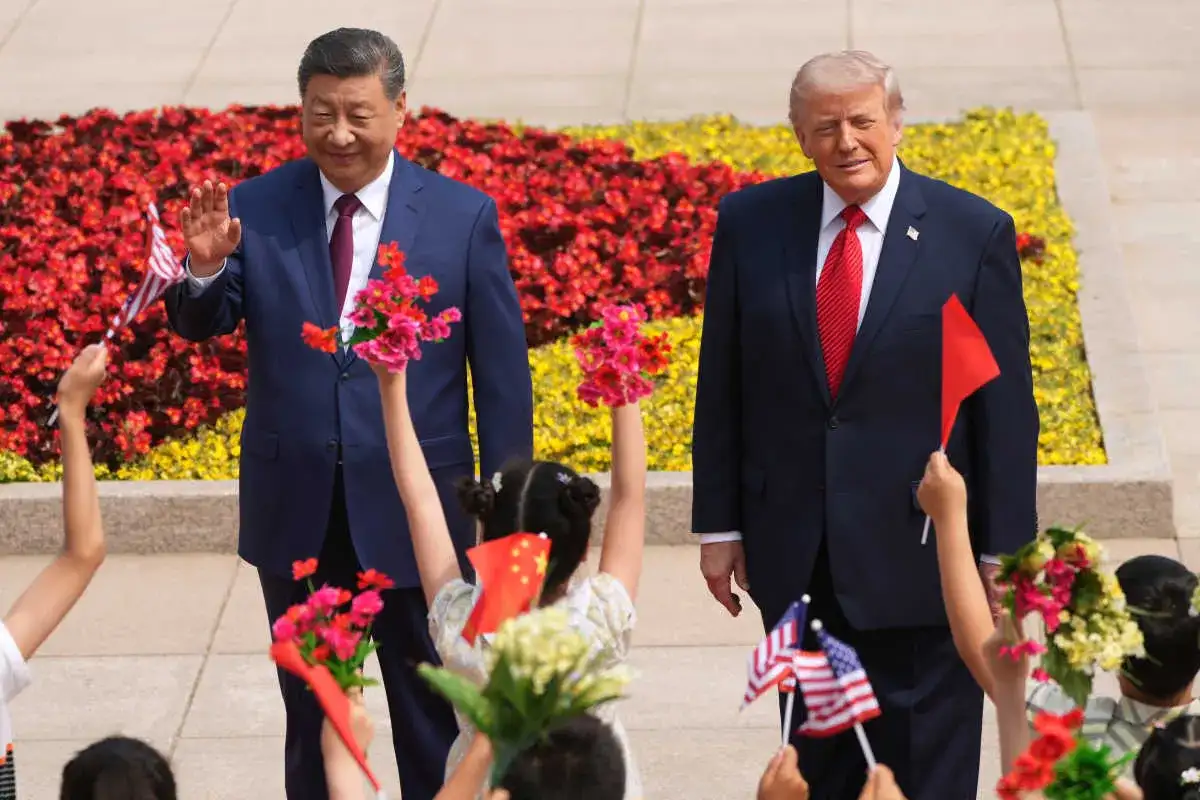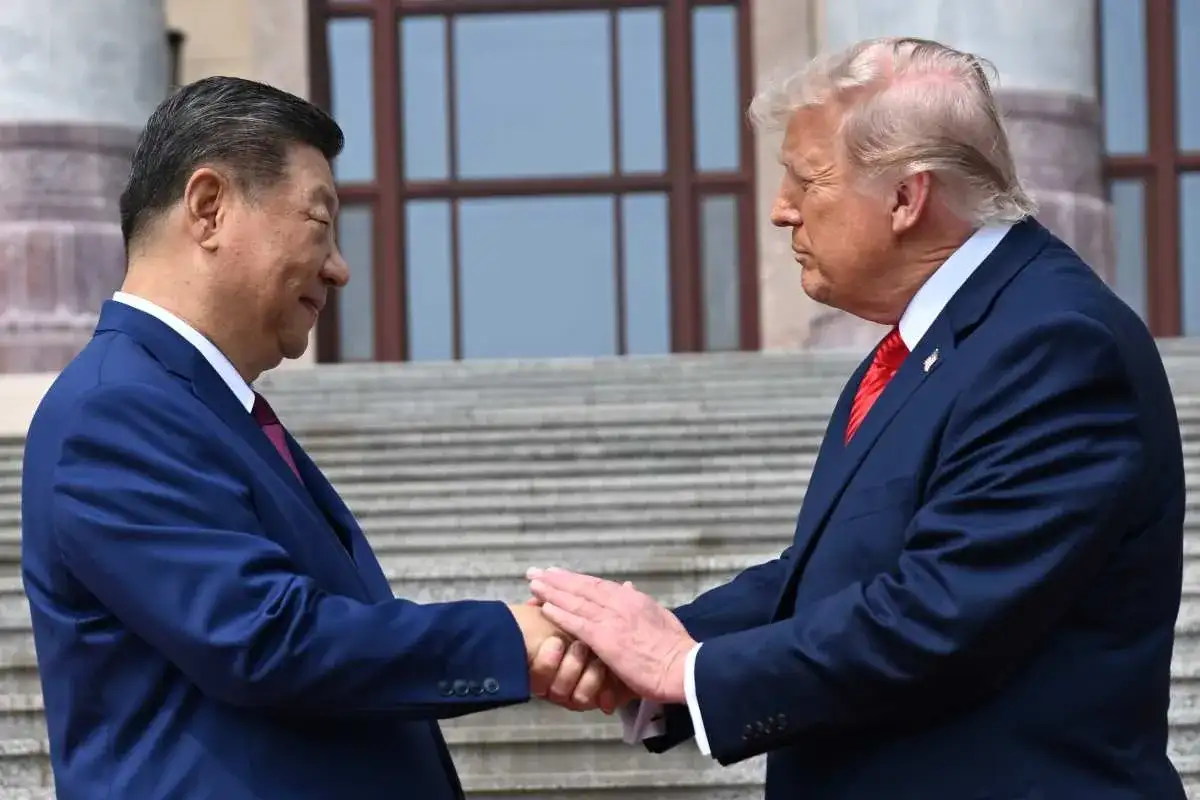
Donald Trump has recently intensified his calls for semiconductor manufacturers, particularly those based in Taiwan, to shift their operations to the United States. This directive comes amidst heightened tensions between Taiwan and China, framing national security and economic resilience as central to the argument for domestic chip production. Trump's strategy appears to leverage geopolitical anxieties to accelerate the repatriation of critical manufacturing capabilities.
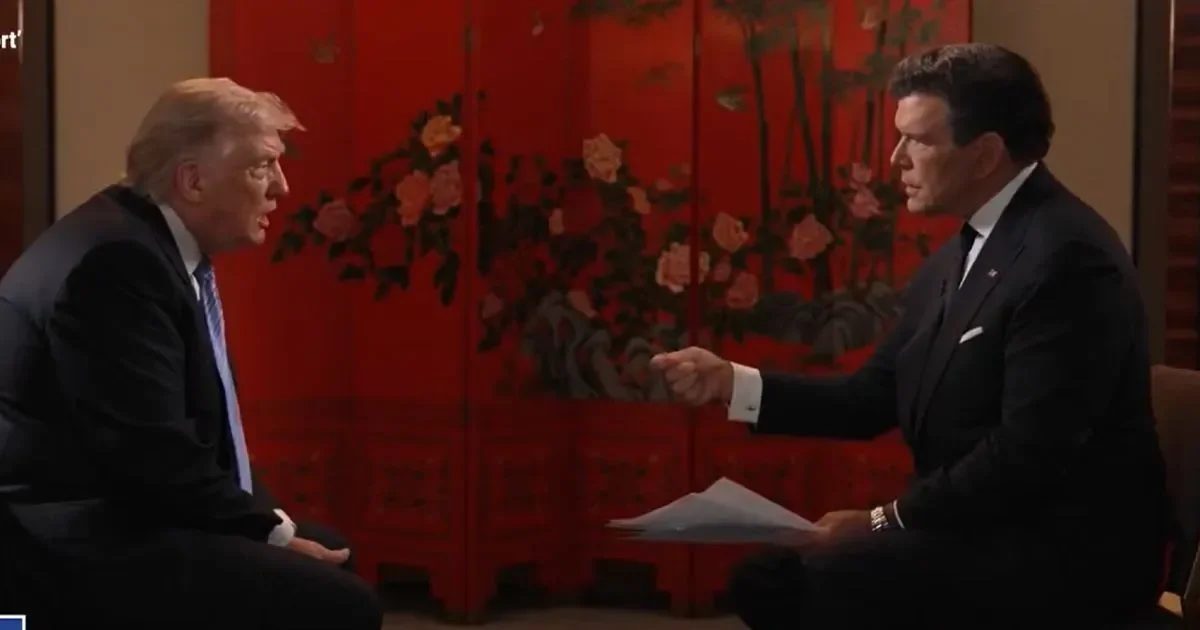
Trump's recent statements urge Taiwanese chipmakers to "IMMEDIATELY move their manufacturing facilities to AMERICA," citing confirmed eagerness from China to potentially "take over Taiwan." He has underscored the indispensable role of chips in advancing 'AI' and other technologies, noting Taiwan's current global dominance in this sector. The push is framed as a necessary move to prevent over-reliance on a potentially unstable region, with Trump suggesting that without US backing, China might indeed attempt an invasion.
Read More: NYC First Lady's Paris Trip Costs Questioned by Journalist

Policy Levers and Past Actions
This current emphasis follows a pattern of Trump's administration using various policy tools to influence chip manufacturing. Previously, he had threatened "very large tariffs" on imported chips, suggesting that companies investing in the US could avoid these costs, while others would face "steep new costs." This approach was met with mixed reactions, with some nations like South Korea signaling exemptions for firms with existing US investments.

"Chips are ESSENTIAL for AI and technological advances, and Taiwan is the world's chip…"
International Commitments and Industry Responses
In September 2025, reports indicated significant pressure on Taiwan to relocate "50 percent of its chip production into the US" in exchange for guaranteed protection against a potential Chinese invasion. This initiative was reportedly part of a broader objective to shift US chip production from a mere 2 percent to 40 percent of global output. The rationale presented was that the US economy and defense capabilities are significantly vulnerable with "95 percent of our chips made 9,000 miles away."
Read More: Ryan Cohen eBay Sales Make $168K After eBay Rejects GameStop Bid

Earlier initiatives included TSMC's pledge to invest "$100 billion to expand chip manufacturing in US" announced in March 2025. However, Trump has expressed skepticism towards existing federal incentives like the CHIPS Act, favoring instead the leverage of tariffs.
Ongoing Challenges and Strategic Tensions
Despite these pronouncements, the "US chip revival is half-assembled," according to analyses from June 2025. The complexity of establishing advanced semiconductor manufacturing, which has taken other regions decades to perfect, presents a substantial hurdle. US companies like Microsoft, Apple, and Cisco remain heavily reliant on existing global supply chains, potentially pressuring policymakers to reconsider levies on the sector.
A recent development in February 2026 saw Trump renew his criticism of Taiwan's chip sector following a US Supreme Court ruling that invalidated some of his import tariffs. This ruling, which found that certain tariffs violated the 1977 International Emergency Economic Powers Act, has raised concerns about its impact on Taiwan's efforts to secure tariff agreements with the US. The ruling could potentially "make China very happy" and undermine Taiwan's strategic positioning.
Read More: Erika Kirk Takes Over TPUSA Amidst Internal Fights
"Trump has repeatedly claimed in the past that Taiwan stole the US’ chip business."
The broader context involves a "US-China race for tech supremacy," where chips remain a key battleground. Establishing robust domestic chip production is seen as crucial for economic independence and national security, particularly in light of China's assertiveness in the region.