CONTEXTUALIZED ASSERTION ON IRANIAN LEADERSHIP
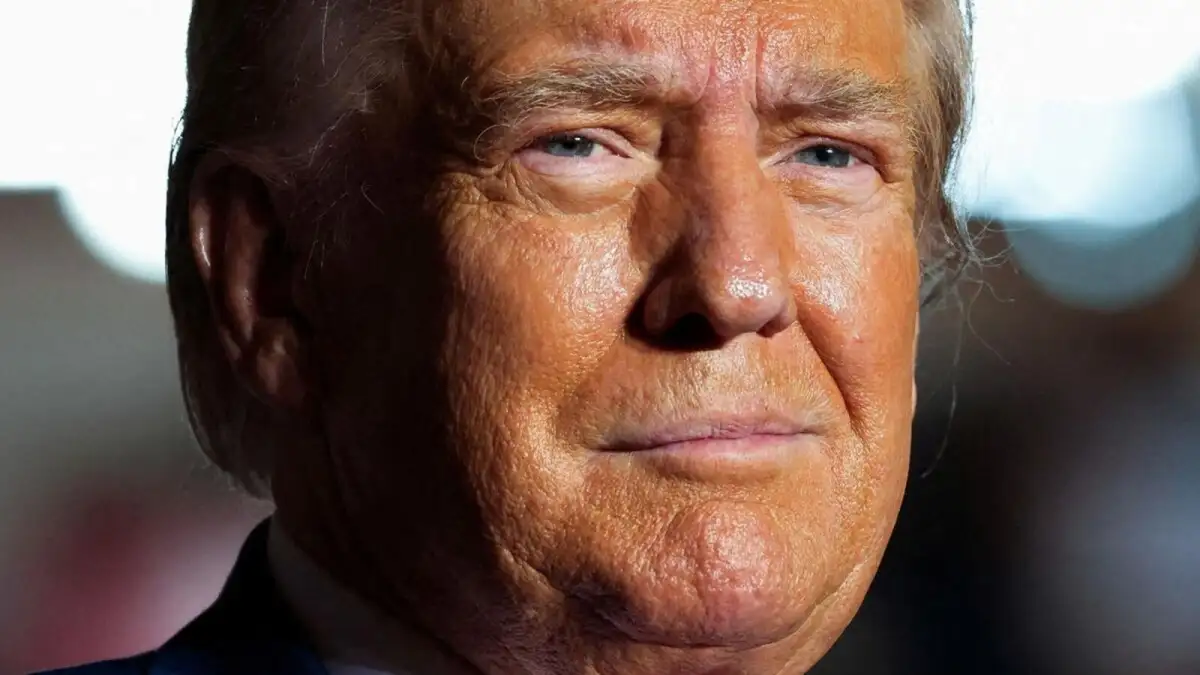
Donald Trump has asserted that Iran's newly appointed leader, Mojtaba Khamenei, will not endure in his position without his explicit approval. This statement comes in the wake of Mojtaba Khamenei's designation as the successor to his father, Ali Khamenei, a development that has reportedly placed him "in the crosshairs" of the United States and Israel.
Trump's remarks, which position him as a critical arbiter of leadership in Iran, coincide with an ongoing conflict and intensified U.S. military actions in the region. The former president has previously called for "unconditional surrender" from the Iranian regime and has been vocal about his desire to be "involved" in selecting Iran's future leadership. These declarations suggest a persistent effort by Trump to exert direct influence over Iran's political trajectory, even after the death of its previous supreme leader.
Read More: Trump China Talk Makes India Worry About Power Balance
RIPPLES FROM THE MIDDLE EAST
The war in Iran, initiated under Trump's presidency, has seen significant U.S. military operations, including "Operation Epic Fury" which targeted Iranian leadership. While Trump has expressed dissatisfaction with the pace of U.S. arms procurement and has suggested a potential for a protracted conflict, he has also indicated a willingness to accept a negotiated outcome. His stance appears to oscillate between demanding total capitulation and exploring avenues for agreement, a posture that has drawn varied reactions, including criticism for potentially jeopardizing American military credibility.
GLOBAL IMPLICATIONS AND DOMESTIC ECHOES
Beyond Iran, Trump's assertive foreign policy extends to other nations, notably Cuba. He has promised "great change" for the island, describing its current situation as being in its "final moments." This aggressive rhetoric towards Cuba, coupled with the establishment of a "military coalition" to combat cartels, highlights a broader pattern of U.S. interventionism under his influence.
Read More: US 250th Anniversary on July 7, 2026, sees 20% not celebrating
Domestically, Trump's actions and pronouncements continue to generate controversy. His pardoning of a Capitol rioter and his past legal entanglements, such as allegations of sexual assault and his potential testimony in the Epstein affair, remain subjects of public and legal scrutiny. Meanwhile, his presidency has seen him engage with figures like Lionel Messi and Inter Miami, and his approach to international relations has even drawn comparisons to controversial domestic political figures. The complex interplay of these global conflicts and domestic political narratives underscores the multifaceted nature of Trump's public life.
BACKGROUND: A CONTINUOUS INTERVENTION
The ongoing conflict in Iran, marked by U.S. strikes and the targeting of high-ranking officials, appears to be a central pillar of Trump's foreign policy agenda. Reports indicate that the U.S. administration has been providing Congress with updates on the conflict, including details on drone resistance and munition counts. Despite these ongoing military operations, discussions about the possibility of a long-term conflict and the risks of the U.S. becoming mired in the region persist. The strategic implications of these actions, particularly in relation to the succession of Iranian leadership, continue to unfold against a backdrop of international scrutiny and domestic debate.
Read More: Trump Warns Iran on Nuclear Weapons, Sets 2-Month Deadline