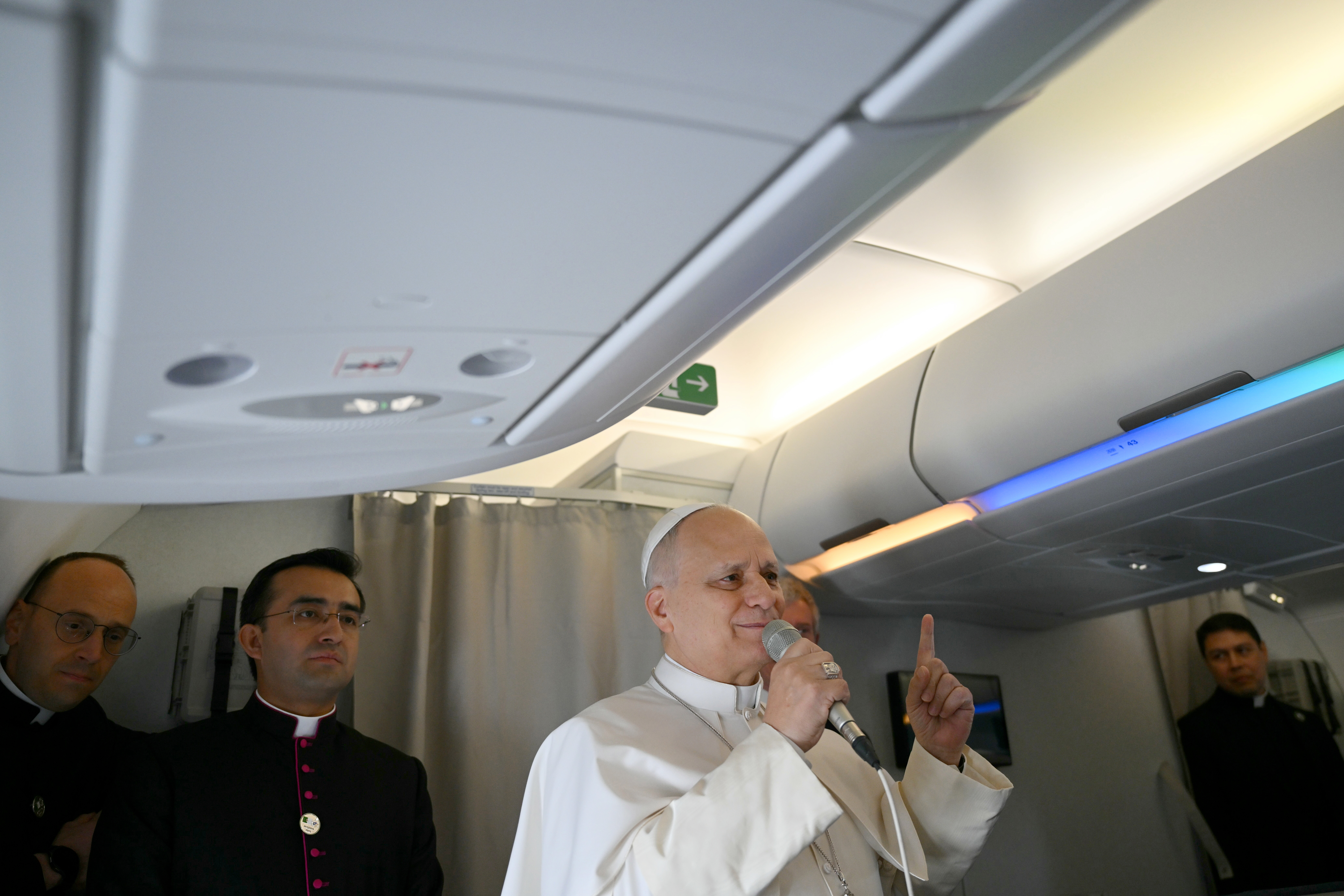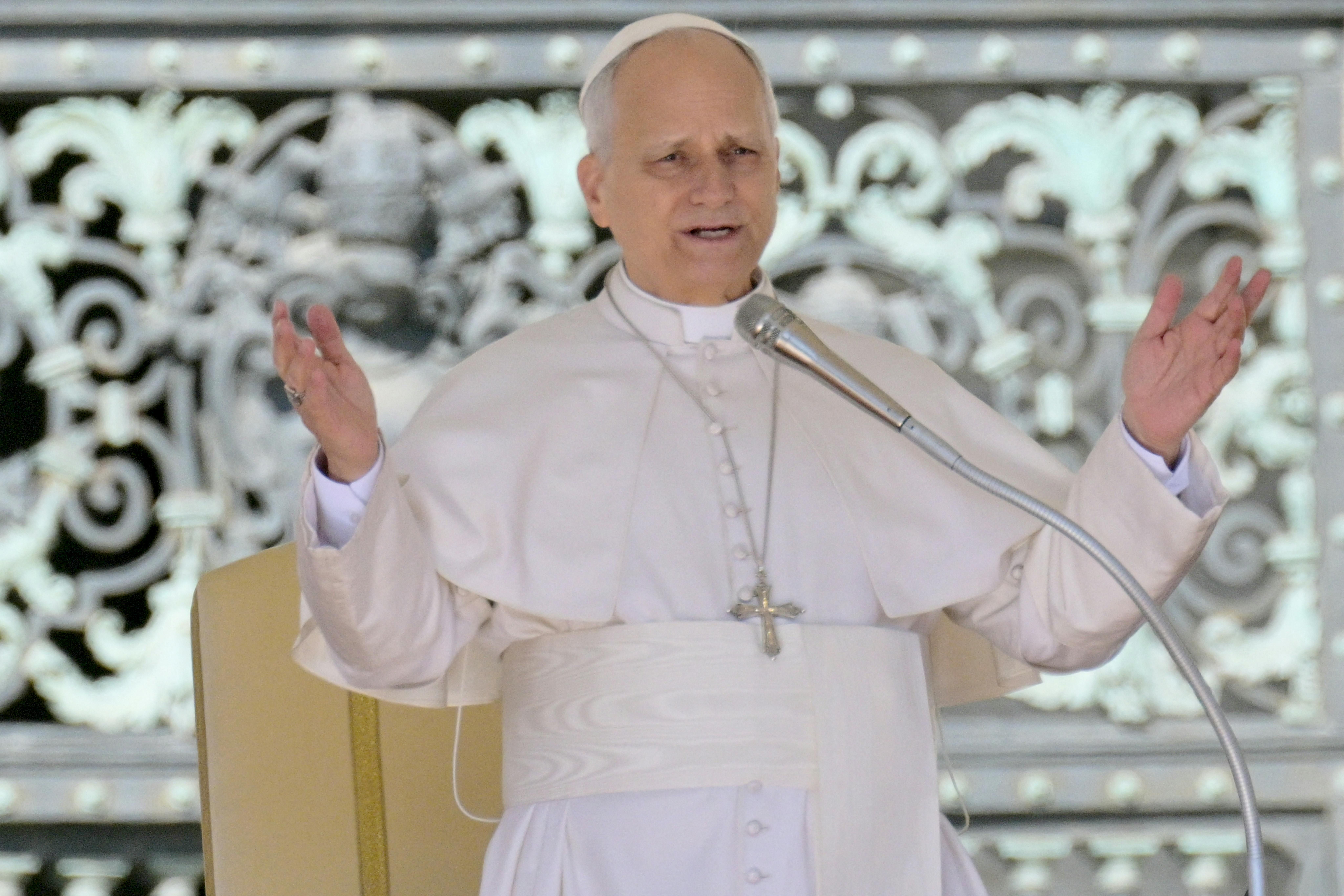
The most significant factual element is the escalating conflict between the Trump administration and Pope Leo XIV, particularly concerning the war in Iran. Pope Leo XIV has directly pushed back against criticisms from President Donald Trump, asserting that the Vatican's calls for peace are rooted in the Gospel and that he does not fear the current U.S. administration. Trump, in turn, has intensified his personal attacks on the Pope, a move described as an unusually direct clash between the White House and the Holy See.
Pentagon's Assertions Surface Amidst Papal Criticism
Reports suggest senior U.S. defense officials made "abrasive" remarks to a Vatican official, with one U.S. official drawing a historical parallel to the Avignon papacy, where the French monarchy exerted control over the Catholic Church. These interactions are framed as a flashpoint in Trump's broader clashes with religious leaders. The Pentagon has publicly dismissed these accounts as "highly exaggerated and distorted," characterizing the meeting as a "respectful and reasonable discussion" with a commitment to continued dialogue.
Read More: Trump China Talk Makes India Worry About Power Balance
Historical Context and Nuance in the Papal-Presidential Exchange
Pope Leo XIV, the first American-born Pope, has been more direct in his criticisms of Trump's policies, particularly on immigration and the Iran war, compared to his predecessor, Pope Francis. His fluency in English is noted as a factor in the clarity and resonance of his message within the United States. This directness marks a departure from previous papal critiques, which were often more oblique. Observers, including Steven Millies, a professor at Chicago’s Catholic Theological Union, point to shared experiences of post-war polarization and events like the Civil Rights Movement and Vietnam War as potential points of reference for both figures.
However, the distinct nature of Catholicism in relation to U.S. political divisions is highlighted. Barbieri cautions that the Pope's American background does not align the Church neatly with either the U.S. "right or left." Pope Leo's extensive pre-papal ministry outside the U.S., including time in Peru and his role in recommending bishops globally, is cited as contributing to a unique global perspective.
Read More: Cliffe Knechtle: God's 4 Answers to Prayer on US Campuses
Trump's Retort and Vatican's Stance
President Trump's reaction includes accusations of cowardice against the Italian prime minister regarding the Iran war. Trump has deleted a controversial social media image that is perceived as having a blasphemous element. His administration's actions leading up to this point include bombing Iran’s nuclear facilities, the alleged kidnapping of Venezuelan leader Nicolás Maduro, advocating for NATO's dissolution, and issuing threats against U.S. allies, including claims of seizing control of Canada and Greenland.
The Vatican, through Pope Leo XIV, maintains that its appeals for peace and reconciliation are fundamental to the church's mission. The Pope stated he was not making a direct attack against Trump but against the "delusion of omnipotence" fueling global conflicts. The situation has reportedly impacted Pope Leo's travel plans, with him changing his itinerary to the U.S.
Read More: Trump Warns Iran on Nuclear Weapons, Sets 2-Month Deadline