


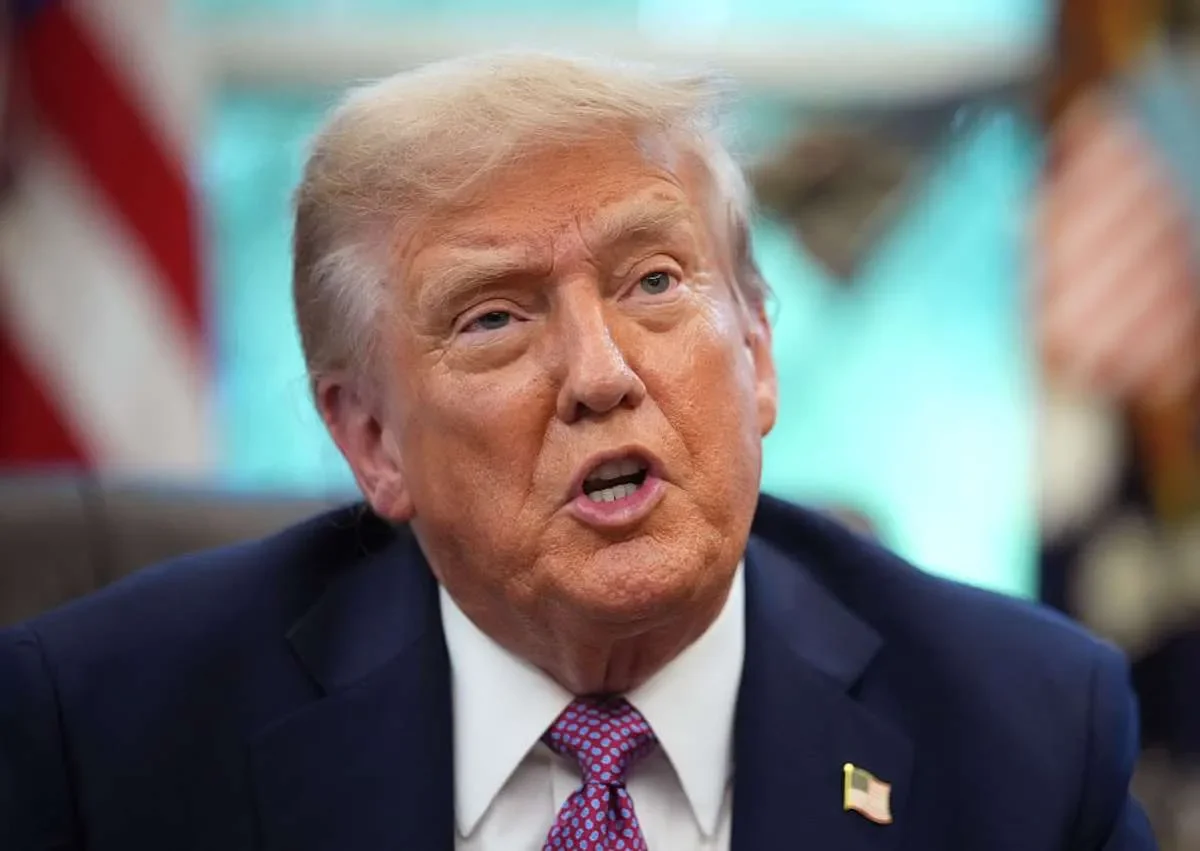
In a move that has sent shockwaves through the political and infrastructure spheres, Donald Trump has reportedly demanded that key national landmarks, specifically Washington's Dulles International Airport and New York's Penn Station, be renamed in his honor. The alleged price for this vanity project? The release of billions of dollars in desperately needed federal funding for the Gateway tunnel project, a critical piece of infrastructure connecting New Jersey and Manhattan. This demand, if true, raises profound questions about the intersection of personal ambition and public service, and whether taxpayer money is being held hostage for the sake of personal branding.
The Gateway project, vital for the economic and logistical health of the Northeast corridor, has faced significant funding hurdles. While Democratic officials in New York and New Jersey have pushed for its completion, the Trump administration, according to multiple sources, imposed a freeze on the federal funds. Now, reports suggest that Trump offered to thaw this freeze – but only if his name was prominently emblazoned on these iconic transportation hubs. This alleged quid pro quo smacks of a deeply troubling transactional approach to governance, where the nation's needs are seemingly secondary to the former president's ego.
Read More: Taiwan Holds Nantou County Drills to Prepare for State Collapse
A History of Naming Rights and Vanities
This isn't the first time Donald Trump's name has been linked to renaming federal entities or facilities. The pattern suggests a consistent desire for public spaces to bear his imprimatur, often in conjunction with the release or control of federal resources.
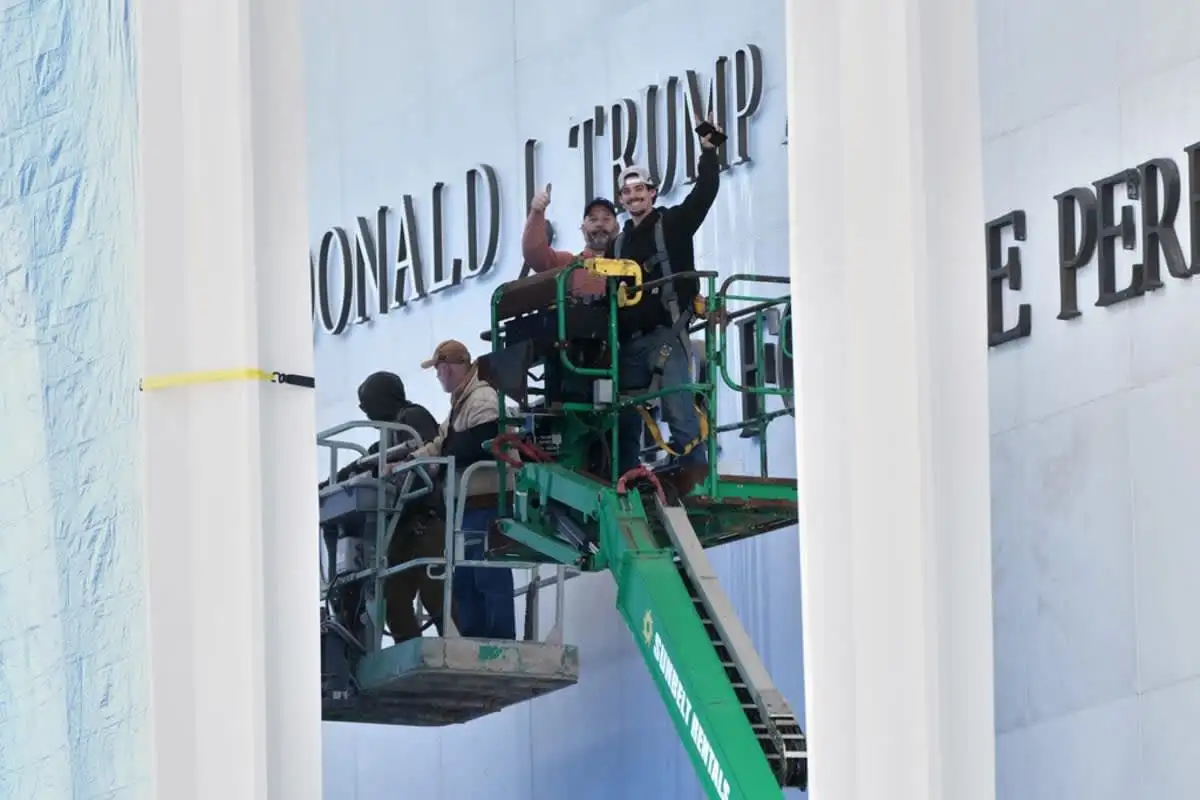
U.S. Institute of Peace (USIP): In December, Trump controversially added his name to the USIP, an organization his administration had previously sought to dismantle. This move was seen by critics as a symbolic takeover and an attempt to leave a personal mark on a federal agency.
Kennedy Center for the Performing Arts: Reports also surfaced about Trump’s administration filling the Kennedy Center's board with allies, followed by the addition of his name to the institution. This has fueled accusations that the center was effectively seized and rebranded for his personal benefit.
Florida Airport Proposal: Beyond federal projects, state-level efforts have also emerged. A lawmaker in Florida proposed renaming Palm Beach International Airport to include Trump's name, indicating a broader push for municipal and state entities to adopt his moniker.
TrumpRX Website: In a more recent move, Trump launched a website called TrumpRX, offering a platform for lower prescription drug prices. While framed as a public service, the naming itself reinforces the "Trump brand" across various initiatives.
"Instead of lowering costs, President Trump is holding critical infrastructure funding hostage for more vanity projects," stated Representative Suhas Subramanyam, a Virginia Democrat, highlighting the sentiment of many critics. He vowed to "fight any effort to even remotely consider renaming Dulles Airport."
The narrative that emerges is one of a former president consistently seeking to imbue public spaces with his name, raising concerns about whether these efforts are driven by genuine public interest or a deep-seated desire for personal legacy building, potentially at the expense of national priorities.
The Gateway Project: A Lifeline Held Hostage?
The Gateway project is more than just concrete and steel; it's the linchpin of rail travel between New York and New Jersey. It involves crucial repairs to an existing tunnel and the construction of a new one to accommodate Amtrak and commuter lines. The existing tunnel, a vital artery, is aging and in desperate need of refurbishment. Its failure could cripple regional transit and inflict severe economic damage.
Read More: One Nation Party Gains Support With Unclear Plans
| Aspect of Gateway Project | Significance | Current Status Implication |
|---|---|---|
| Connecting NJ and Manhattan | Essential for millions of commuters and regional economic activity. | Funding delays create uncertainty and potential disruption. |
| Repairing Aging Tunnel | The existing tunnel is deteriorating and poses a significant safety and operational risk. | Further delays increase the risk of failure. |
| Constructing New Tunnel | Modernizes infrastructure, increases capacity, and ensures long-term viability of the rail corridor. | Project timelines are directly impacted by funding. |
| Federal Funding Component | Significant federal investment is crucial to make the project economically feasible for the states involved. | Alleged hold by Trump administration for naming rights. |
| Economic Impact | Promises substantial job creation and long-term economic benefits for the region and beyond. | Delays can stifle job growth and economic development. |
The alleged demand to rename Dulles and Penn Station comes at a time when federal funding for this vital project was reportedly frozen by the Trump administration. This timing is particularly suspect. While Congress had passed full appropriations, the funds for Gateway remained in limbo, leading Democratic officials to argue the freeze was politically motivated.
New York Governor Kathy Hochul's press office offered a pointed response, humorously depicting an image of Trump Tower being renamed "Hochul Tower," suggesting a playful, yet sharp, critique of the alleged naming demands.
Is it acceptable for a former president to leverage essential infrastructure funding for personal naming rights? This question lies at the heart of the controversy, and the implications for how public resources are managed are profound.
Beyond Gateways: A Pattern of "Vanity Projects"?
The alleged demand for Dulles and Penn Station isn't an isolated incident. Critics point to a broader pattern of actions and proposals aimed at attaching Trump's name to public institutions, leading to accusations of a "vanity project" agenda.
USIP Renaming: The renaming of the U.S. Institute of Peace, an agency his administration had previously attempted to diminish, is seen as a stark example. It suggests a desire to claim ownership over institutions, regardless of their prior status or function.
Florida Airport Proposal: The mention of a Republican House bill to rename Dulles after Trump, and a Florida state proposal for Palm Beach International Airport, indicates a wider network of support for such naming endeavors.
Political Motivation: Representative Riley Moore, a Republican who previously co-sponsored a bill to rename Dulles, praised the reported proposal, texting Axios, "💯 let’s put his name on it." This suggests a political appetite among some for such actions, potentially aligning with Trump's stated desires.
"These naming rights aren’t tradable as part of any negotiations, nor is the dignity of New Yorkers," argued one report, underscoring the view that the integrity of public assets should not be subject to personal demands.
This persistent effort to affix his name to public entities raises a critical question: At what point does a desire for a legacy morph into an abuse of power, particularly when it potentially jeopardizes national infrastructure and economic well-being?
Read More: FBI Analysts Review Georgia 2020 Election Data in Fulton County
The Unanswered Questions: Transparency and Accountability
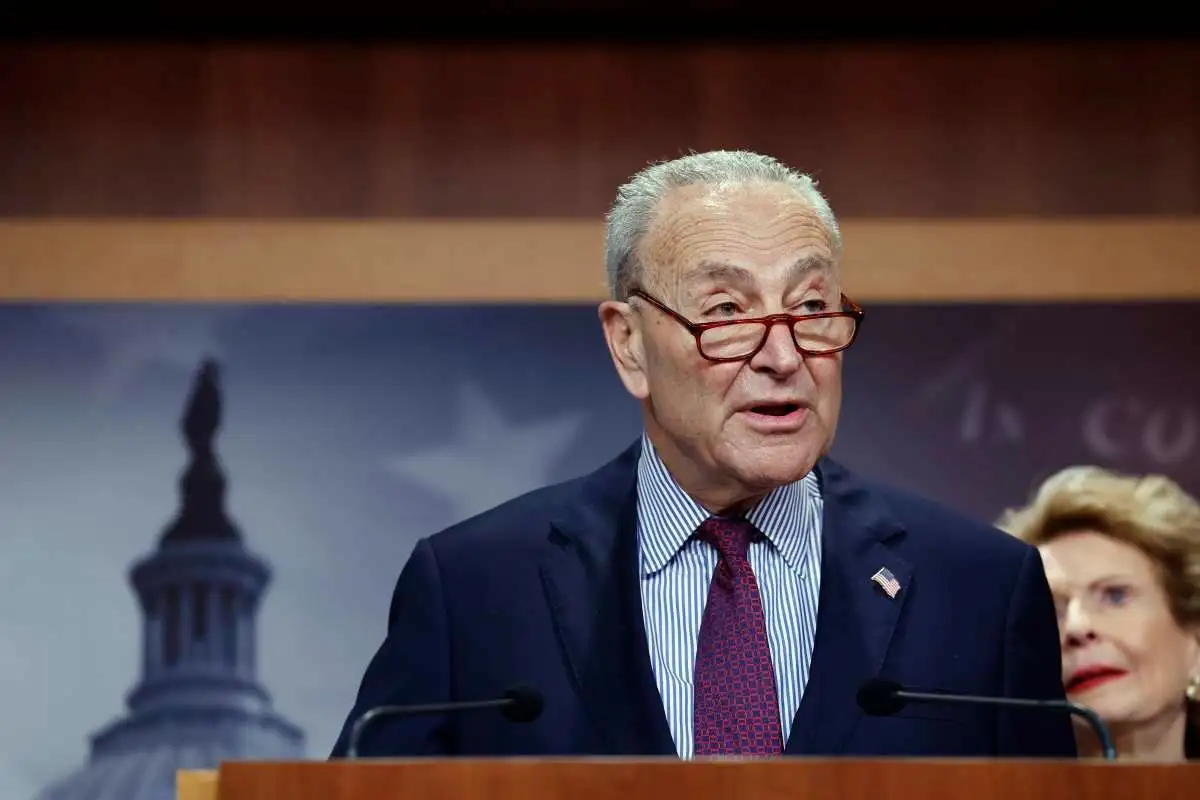
The core of this controversy revolves around the alleged exchange: naming rights for federal funds. This transactional approach to governance leaves numerous questions unanswered and demands transparency and accountability.
Direct Confirmation: Has Donald Trump or his representatives directly communicated these demands to Democratic leaders like Chuck Schumer? What specific language was used, and were there any written records?
Official Statements: What is the official stance of former President Trump and his campaign on these allegations? Have they denied them, confirmed them, or remained silent?
Schumer's Role: How did Senate Minority Leader Chuck Schumer respond to this alleged demand? Did he engage in negotiations, reject it outright, or attempt to find a compromise?
Intent Behind Funding Freeze: If the funding for Gateway was indeed frozen, what were the stated reasons, and how do they reconcile with the alleged demand for naming rights? Was the freeze truly politically motivated, as critics suggest?
Legality and Ethics: What are the legal and ethical implications of using federal funding as leverage for personal naming rights? Does this set a dangerous precedent for future administrations?
Public Trust: How does this alleged incident impact public trust in government and the impartiality of infrastructure funding decisions?
"The president continues to put his own narcissism over the good-paying union jobs this project provides and the extraordinary economic impact the Gateway tunnel will bring," stated one observation, encapsulating the frustration of those who see this as a self-serving act.
The involvement of multiple news outlets reporting on these claims, citing anonymous sources, suggests a significant level of corroboration within political circles. However, the absence of direct, on-the-record confirmation leaves room for speculation and necessitates further investigation. The public deserves clarity on whether a critical infrastructure project was indeed held hostage for the sake of a former president's name.
Conclusion: A Legacy of Infrastructure or Egotism?
The reports alleging that Donald Trump sought to have Dulles International Airport and Penn Station renamed in his honor in exchange for releasing funds for the Gateway project paint a concerning picture. If true, this represents a disturbing willingness to leverage national infrastructure needs for personal aggrandizement. The pattern of Trump seeking to attach his name to federal institutions, coupled with the alleged withholding of critical funding, raises serious questions about his motivations and the ethical boundaries of presidential power.
Read More: Kerala CM Meets PM Modi for Financial Aid on May 26
The Gateway project is vital for millions of Americans, and its funding should not be subject to the whims of personal vanity. The insistence on naming rights for such crucial projects suggests a mindset that prioritizes personal branding over public service. The coming days and weeks will likely see further developments, but the fundamental question remains: Will the pursuit of a lasting legacy be built on tangible progress and public benefit, or on the inscription of names on buildings and infrastructure? The answer to this question will define not only the future of these landmarks but also the integrity of our governance.
Sources:
NBC New York: Trump asked for Dulles Airport, Penn Station to be named after him in exchange for Gateway money to be released
Link: https://www.nbcnewyork.com/news/national-international/trump-dulles-airport-penn-station-named-after-him-gateway-money/6456001/
CNN Politics: Trump promises Schumer funding for NY tunnel project — if Penn Station and Dulles Airport are renamed after him
Link: https://www.cnn.com/2026/02/05/politics/schumer-trump-ny-funding-rename
Newsweek: Trump wanted Airport, station named after him in return for funding: report
Link: https://www.newsweek.com/trump-wanted-airport-station-named-after-him-in-return-for-funding-report-11475345
USA Today: Did Trump offer to fund Gateway if transportation hubs renamed for him?
Link: https://www.usatoday.com/story/news/new-york/2026/02/06/did-trump-offer-to-fund-gateway-if-penn-station-dulles-airport-renamed-for-him/88542128007/
MEAWW: Fact Check: Does Trump want to rename Dulles Airport and New York's Penn Station after himself?
Link: https://news.meaww.com/fact-check-does-trump-want-to-rename-dulles-airport-and-new-yorks-penn-station-after-himself







