Conflicting Signals Emerge on Iran War Stance, DHS Funds Held
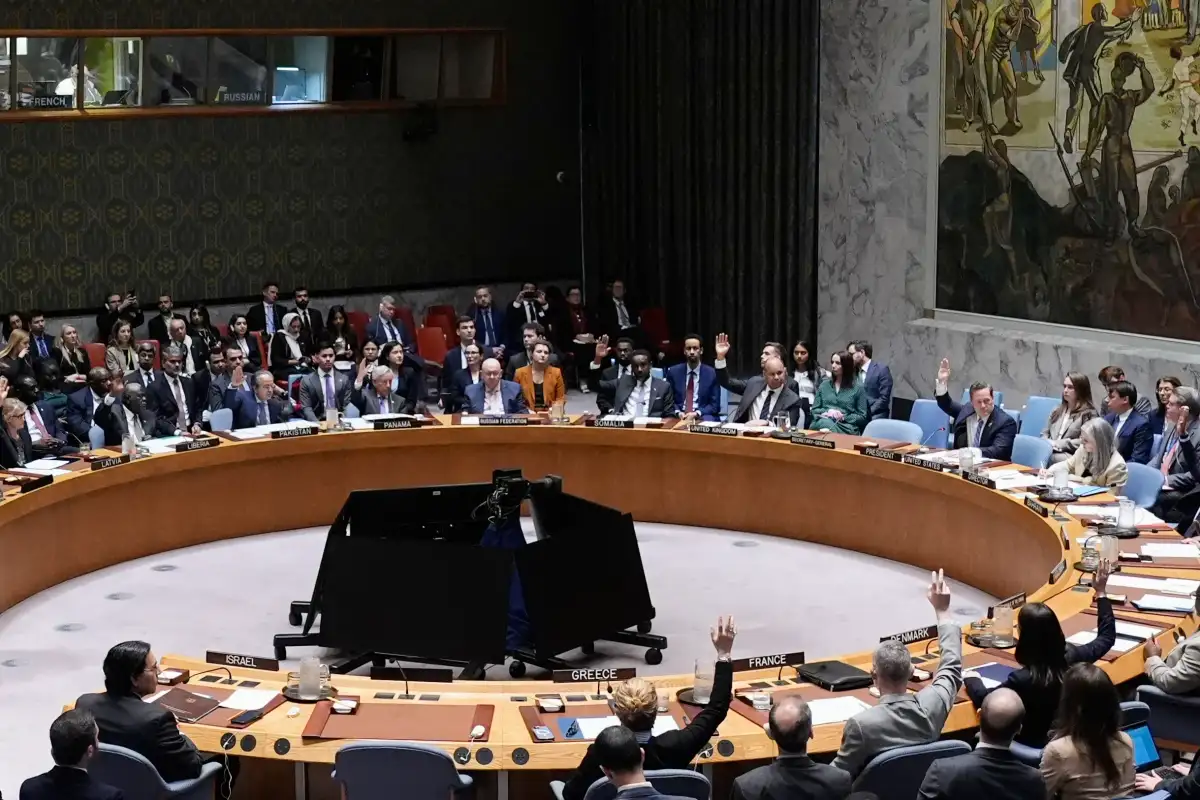
President Trump's administration has projected contradictory messages regarding the ongoing conflict with Iran. Simultaneously, congressional action on Department of Homeland Security funding remains stalled, a direct consequence of policy disputes over immigration enforcement.
Recent reporting highlights a bewildering duality in President Trump's public pronouncements concerning the war in Iran. Weeks into the conflict, Trump has been described as advocating for both a winding down of hostilities and an escalation of military presence. This apparent dissonance has extended to economic policy, with sanctions on Iranian oil sales being lifted in some instances, seemingly aimed at stabilizing global energy markets, while other reports indicate an increase in troop deployments to the Middle East.

The implications of these mixed signals appear to extend beyond foreign policy. The funding for the Department of Homeland Security (DHS) has been frozen by Congress. This legislative deadlock is explicitly linked to disagreements over the administration's immigration enforcement strategies, indicating a domestic policy crisis intertwined with international affairs.
Read More: Ibrahimpatnam Election Stayed After BRS Councilor Abduction Allegations Feb 16

Escalation, Easing, and Elusive Clarity
President Trump's approach to the Iran conflict has been characterized by what some observers describe as a tendency to contradict himself, sometimes within the same public statements. Reports indicate that at points this month, Trump has claimed progress or victory in the war, even as troop numbers in the region have been bolstered. This has led to a perception of a lack of a clear strategy, particularly concerning the potential for ground troop involvement, a move that has reportedly troubled some Republican lawmakers and political allies.

The administration's official communications have oscillated between expressions of a desire for peace and the assertion that all options, including a more aggressive military posture, are on the table. This ambiguity has reportedly fueled frustration among GOP lawmakers and allies who are seeking a definitive "endgame" after weeks of active conflict.
Read More: One US Pilot Found After F-15 Jet Shot Down Over Iran on Friday
Sanctions, Petroleum, and Political Pressure
Amidst the evolving war rhetoric, the economic dimension has also seen a peculiar set of actions. While pressure through sanctions has been a traditional tool, the U.S. has, for the first time in decades, lifted sanctions on some Iranian oil sales. This move, alongside the tapping of the U.S. strategic petroleum reserve and the lifting of sanctions on certain Russian oil exports, appears to be an attempt to mitigate the economic impact on worldwide energy markets.
Background Echoes
The broader political landscape sees commentary from various outlets, including NPR and CNN, dissecting the administration's messaging. Discussions involve figures like Ron Elving, an NPR senior contributor, and observations on the reactions within the MAGA base. The specific context of these pronouncements emerges against the backdrop of Trump's past campaign promises, which included a stance against initiating new foreign wars, a point that has reportedly alienated some long-standing supporters. The political discussions also touch upon potential shifts in DHS leadership, underscoring the broader domestic policy environment.
Read More: Annamalai not running for MLA in Tamil Nadu elections