


A recent utterance from Donald Trump, demanding Iran's 'unconditional surrender,' has stirred a noticeable tremor within his core support base. The phrase, seemingly intended as a new rallying cry, has been widely interpreted as an abrupt departure from the established 'MAGA' (Make America Great Again) ethos, sparking a visceral reaction from some of his most dedicated followers. This slogan’s emergence has triggered an intense debate, with some accusing Trump of abandoning the very principles they rallied behind, leading to a palpable sense of disillusionment and internal conflict.
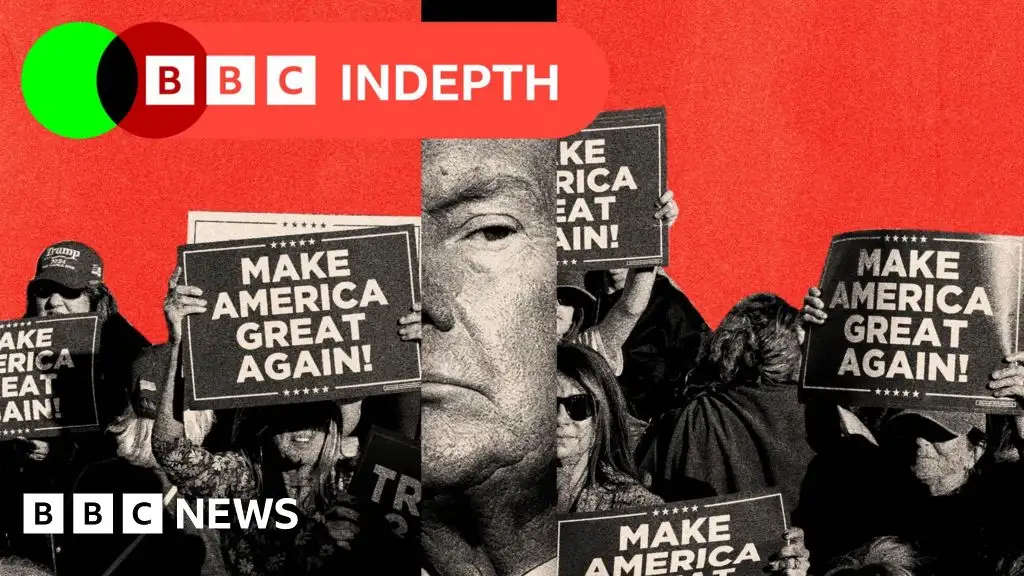
Further compounding the unease, recent data indicates a broader trend of the Trump brand losing momentum among Republicans. Survey results, encompassing a sample of 1,610 adults, suggest a period of 'stabilization, if not a slight decline' in the brand's influence. This doesn't necessarily signal the dissolution of 'Trumpism' itself, but rather points towards a potential metamorphosis of the Republican identity. Economic factors, alongside shifts in foreign policy and deeply personal concerns, are contributing to this evolving landscape.
Read More: US and Israel strikes kill Iran leader on Saturday causing big MAGA split over America First rules

Internal Fractures Emerge
The 'Make Iran Great Again' post, as it's being colloquially described, appears to have amplified existing fault lines within Trump's broad coalition. For some long-time adherents, this new pronouncement clashes irreconcilably with the foundational tenets of the movement they once enthusiastically endorsed. This dissonance has led to accusations of abandonment and a questioning of the direction the movement is heading.
Recent polls have also corroborated this sentiment of erosion. One analysis highlighted a drop in Trump's overall approval rating, with a noticeable decline even among Republicans. Specific segments, such as Hispanic Republicans, have shown increasing unease with administration policies, particularly concerning deportations and economic strategies. This internal disquiet is reportedly even more pronounced within these demographic groups.
A Singular Figurehead?
The very nature of the MAGA movement, often described as being inextricably tied to Donald Trump as its sole leader, raises questions about its future viability. Analysts and observers have long posited that Trump is the singular, driving force behind the movement's identity. This raises the perennial question: what becomes of MAGA in a post-Trump era?
Read More: Iran's Sole Paralympian Aboulfazl Khatibi Withdraws from Milan Games Due to Middle East Conflict
Contextualizing the Unrest
Historically, Trump's ascent was marked by his portrayal as an outsider who fundamentally reshaped the Republican party. His willingness to shift stances, from past support for liberalized immigration to a more hardline 'America First' foreign policy, exemplifies the ideological flexibility that characterized his rise. This adaptability, while instrumental in forging his coalition, may also be a contributing factor to the current internal divisions.
Recent commentary has also drawn parallels between Trump's current approval ratings and those of past presidents, noting a significant 'underwater' sentiment. The critiques emanating from influential figures, including podcast hosts like Joe Rogan and comedians such as Theo Von, targeting policies like deportations, further underscore the growing dissent, even from unexpected quarters. The narrative around Trump's unpopularity, even among segments previously aligned with him, is becoming increasingly difficult to ignore.
Read More: Uttar Pradesh adds 70 lakh new voters from January to March 2024 to update state voting lists