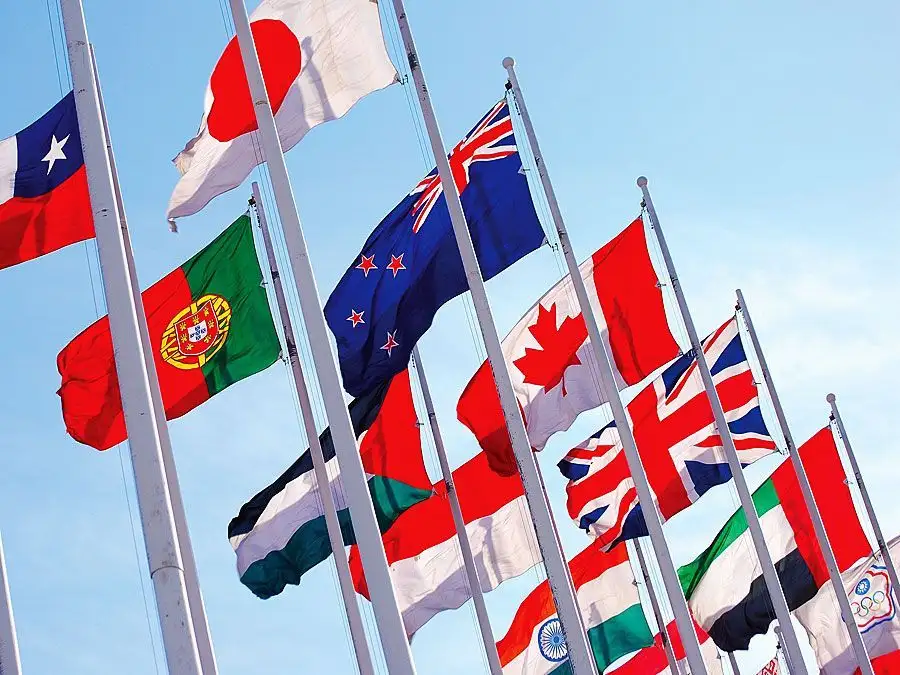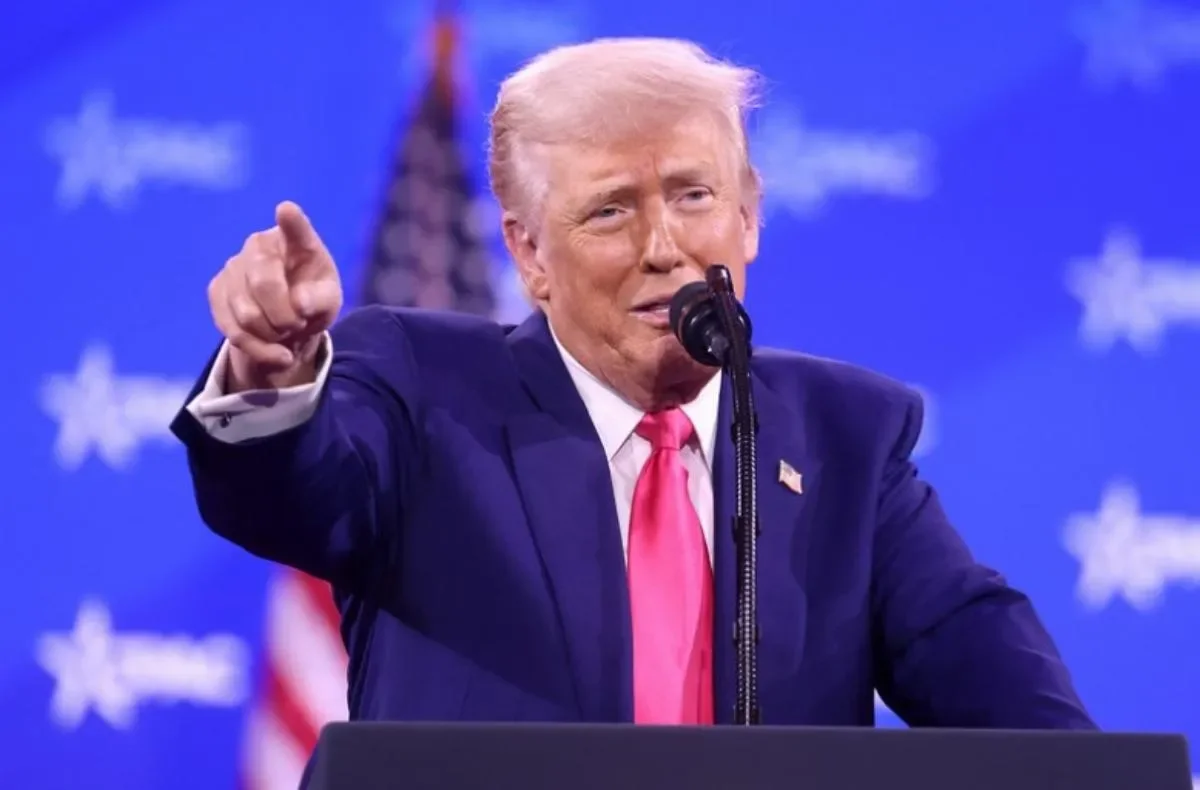
Fifteen months into his second term, Donald Trump has effectively replaced conventional multilateral diplomacy with a doctrine of pure unilateralism. The administration has systematically moved to dissolve the U.S. role in established international agreements, prioritizing bilateral transactionalism over long-standing treaty obligations.
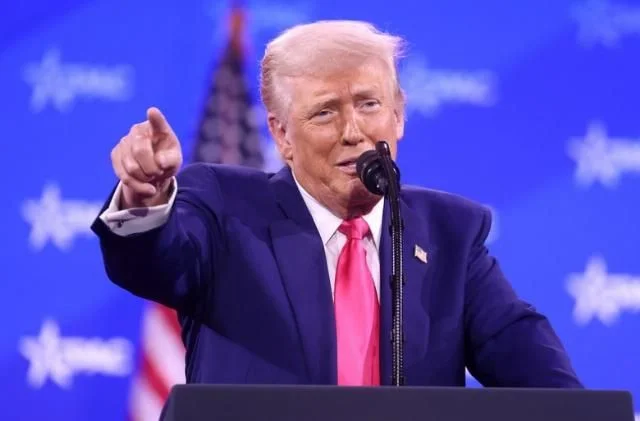
Core directives include a mandate for the Secretary of State to review—and potentially vacate—membership in all intergovernmental organizations and conventions deemed contrary to immediate U.S. interests.
Financial support totaling $60 billion in state and international assistance contracts has been retracted, impacting global agencies such as the World Health Organization, the UN High Commissioner for Refugees, and the World Food Programme.
The policy shift mirrors a "Jacksonian and Jeffersonian" revival, specifically drawing inspiration from the protectionist and expansionist era of William McKinley.
The Mechanics of Internal Governance
Domestically, the administration has utilized an unprecedented volume of executive orders to bypass traditional bureaucratic oversight. Observers describe a environment where the executive acts less as a head of state and more as an unchecked singular authority.

| Institutional Target | Action Taken | Status |
|---|---|---|
| Social Security Admin | Announced funding/operational cuts | Ongoing |
| Birthright Citizenship | Attempted executive order reversal | Under judicial challenge |
| Military Leadership | Removal of officers tied to DEI policy | Executed |
| Federal Agencies | Direct conflict with "swamp" holdouts | Sustained |
The signal here is clear: governance has been restructured as a process of systematic reckoning. By bypassing standard institutional frictions, the executive branch has shifted its internal focus toward a consolidation of control that treats civil service opposition as an obstruction to be "steamrolled" rather than negotiated with.

Geopolitical Realignments
The secondary effect of this retreat from global architecture has been the opening of strategic vacuums. Middle powers, most notably India, have navigated the shift by maintaining robust strategic ties with Russia—a country now increasingly framed in Washington as a negotiable actor rather than a permanent ideological adversary.
Read More: Taiwan Holds Nantou County Drills to Prepare for State Collapse

European partners face a dual challenge: the potential for systemic detachment from the NATO alliance and the exploitation of internal European political divides by the Trump administration. While the administration maintains that these actions are calculated to "make peace great again," the result is a fragmented international order where previous constants, such as intelligence sharing or collective defense, have become conditional on transient political leverage.
Investigative Context: The "Project 2025" Legacy
The framework currently guiding these actions finds its roots in blueprints established well before the 2026 calendar year. Critics note that the aggressive dismantling of institutional norms—including threats to civil liberties and constitutional guarantees—follows a consistent, documented strategy. As the administration continues to consolidate power, the tension between its populist mandate and the constitutional boundaries defined by the judiciary remains the primary friction point for the American republic.
Read More: House Votes to Limit President's War Power on Iran