


Indiana Republican state senators who defied Donald Trump's push for a favorable congressional redistricting plan last year have largely fallen to Trump-backed challengers in recent primary elections. The outcome signals a significant, albeit complex, victory for Trump's influence and his pursuit of political retribution.
== At least five of the seven Trump-endorsed challengers to incumbent Republican state senators successfully unseated them. This includes Jim Buck, who lost his seat after 18 years. The vote played out as a statewide referendum on political payback, testing the loyalty of Republican voters to Trump versus established local representatives. Trump had actively campaigned, endorsing challengers against those who rebuffed his efforts to redraw Indiana's congressional maps. These maps were intended to bolster Republican chances in the U.S. House, specifically targeting districts covering urban areas like Indianapolis and Gary. ==
Read More: Taiwan Holds Nantou County Drills to Prepare for State Collapse
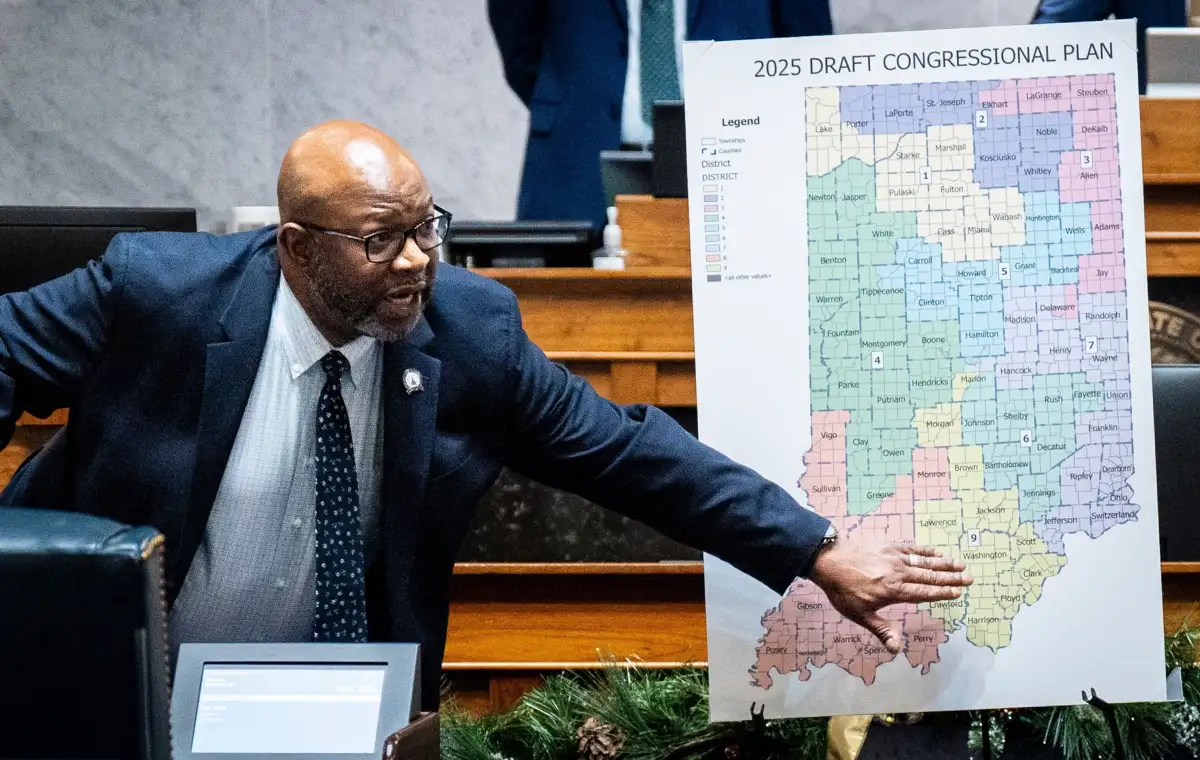
While Trump's efforts to pressure state lawmakers into altering congressional maps were successful in states like Texas, Missouri, North Carolina, and Ohio, Indiana proved a notable exception where the redistricting bill ultimately failed in the state Senate in December 2025, despite sustained pressure and even threats of violence against lawmakers.
Despite the primary results suggesting a strong showing for Trump's endorsed candidates, the narrative on the ground is not uniformly about Trump or redistricting. Some voters expressed fatigue with Trump's aggressive tone and involvement, while others stated that redistricting was not a significant issue on the campaign trail for them. This suggests a multifaceted electorate whose decisions are influenced by various factors beyond a direct response to Trump's redistricting agenda. The races serve as a gauge of Trump's endorsement power, but also as a potential indicator of voter sentiment towards his direct interference in state-level politics.
Read More: Rylan Hainje Breaks 110m Hurdles Record in Marion County







