Scientific data derived from dendrochronology—the study of tree rings—confirms a massive geomagnetic disturbance occurring in the distant past. Corroborating physical evidence, historical texts, specifically the private records of a notable poet, describe the phenomenon as "red lights in the northern sky."
The alignment of botanical isotopic signatures with anecdotal human observations suggests an extreme solar particle event occurred long before the birth of modern meteorology.
| Evidence Source | Data Type | Phenomenon Observed |
|---|---|---|
| Tree Rings | Carbon-14 spikes | Atmospheric radiation surge |
| Poet’s Diary | Prose/Narrative | Visible auroral display |
Dissecting the Anomaly
The study utilizes wood samples to isolate carbon anomalies typical of intense solar flare activity. By cross-referencing these biological timelines with the writings of a figure who documented atypical celestial occurrences, researchers have anchored a loose historical date to a verifiable physical impact on Earth’s atmosphere.
The findings highlight a susceptibility in early human civilizations to massive solar weather events that would prove catastrophic to modern power grids.
The linguistic record provides the subjective human layer, while the tree rings provide the objective planetary pulse.
Contextualizing Historical Scarcity
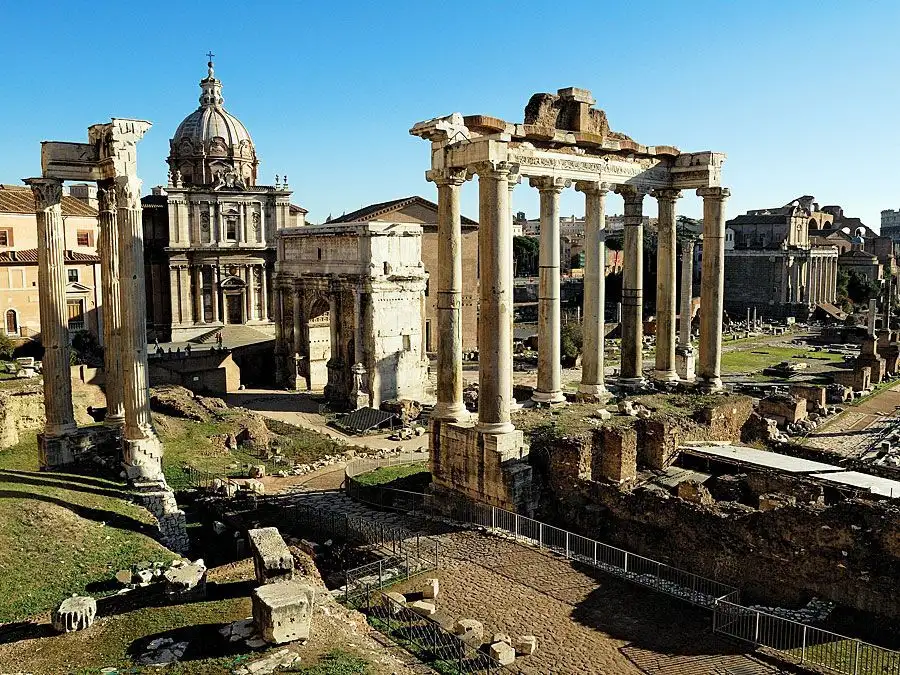
The effort to verify such events often encounters the problem of "missing history." As noted in recent historiographical summaries of Ancient Rome, the period from 753 to 509 BCE remains heavily obscured by the absence of contemporaneous documentation.
Read More: Indigenous Data Rights Now Key in Conservation Genomics
Much of what is classified as Roman history was transcribed centuries after the events took place, rendering many early accounts—particularly regarding the Regal Period—as retrospective constructs rather than primary testimony. When historians look for climate or solar events from that specific era, the reliance on biological indicators like tree rings becomes the primary method for bypassng the gaps left by lost or unwritten administrative archives.
This duality of investigation—marrying the physical traces left in nature with the scattered fragments of poetic memory—serves as the only viable architecture for understanding a world that kept its records in timber and verse rather than digital servers.