Toyota Motor is reportedly planning a significant expansion of its manufacturing footprint in India, with plans to establish three new vehicle assembly plants in the western state of Maharashtra. This move, detailed in reports from sources including Nikkei, would more than double Toyota's existing production facilities in the country, bringing the total to six. The expansion positions India as Toyota's fourth-largest global production base. The new plants are slated to handle not only domestic demand but also export operations, a key element in the company's evolving strategy.
The reports suggest a broader automotive trend of automakers redirecting focus from mature or stagnating markets like the US and China towards emerging economies. Toyota's expansion in India aligns with this shift, targeting a burgeoning consumer base and leveraging the country's potential as a manufacturing and export hub. In addition to conventional vehicles, Toyota is also expected to produce plug-in hybrid vehicles (PHEVs) at these new facilities, catering to an increasing demand for environmentally conscious transportation.
Read More: Tesla Model Y L 6-Seater US Launch Date and Price Details
Key Investment and Capacity Figures Emerge
While Toyota Motor itself has offered a non-committal statement, indicating no final decision on new factory construction but a constant review of production arrangements, details from various reports paint a picture of substantial investment. An MoU signed with the Maharashtra government in late July 2024 points to a proposed investment of approximately ₹20,000 crore (around $2.4 billion). Some reports suggest this figure could reach up to ₹21,000 crore or even ₹25,000 crore.

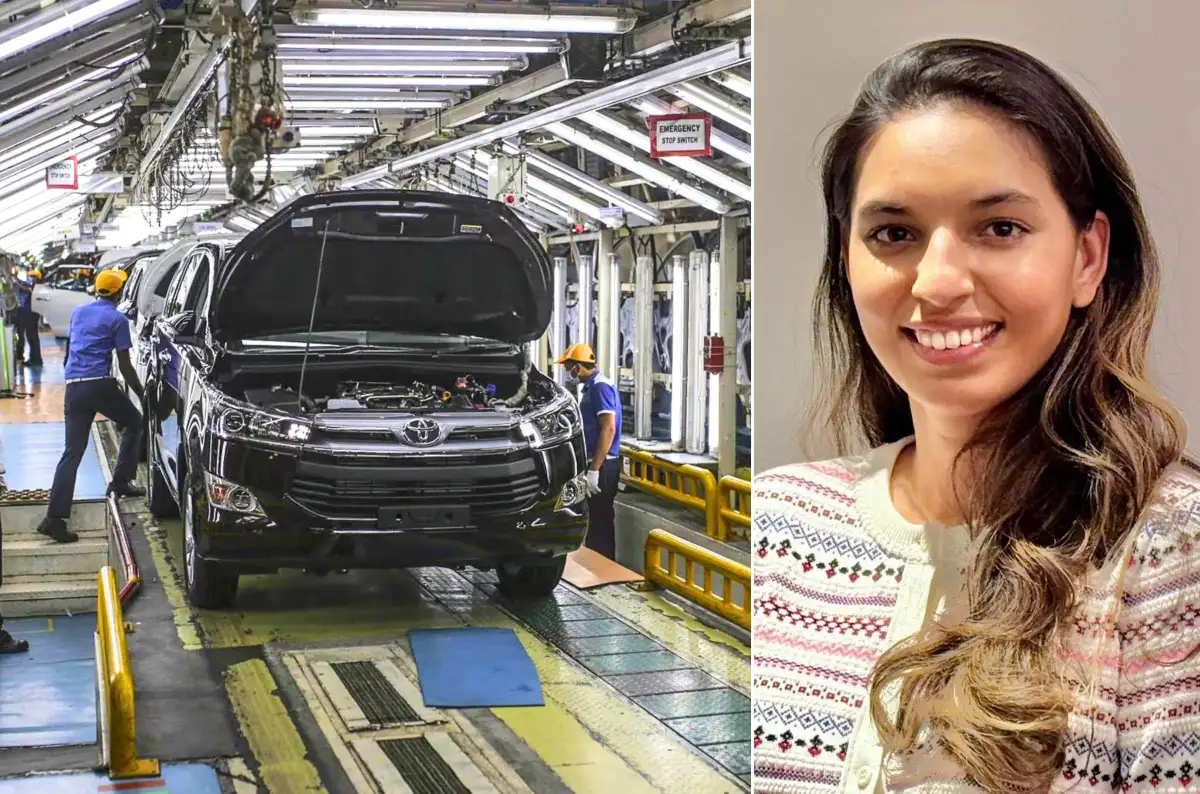
The proposed new plants are anticipated to significantly boost India's production capacity for Toyota. One report mentions a target of 400,000 electric and hybrid cars annually from the new facility, with another estimating an overall annual capacity of 400,000 units for the new plants combined. One specific new plant in Chhatrapati Sambhaji Nagar is projected to have an annual capacity of 400,000 units and is expected to be operational within three years. Another report mentions a single plant with a capacity of 1.32 lakh units annually, producing models like the Innova Hycross, Innova Crysta, Fortuner, and Legender. Land for a new manufacturing unit, measuring 827 acres, has already been allotted to Toyota Kirloskar Motor Private Limited in the Bidkin node of Maharashtra.
Read More: India IVF Costs And Social Barriers Limit Access In April 2026
Strategic Significance and Regional Impact
This expansion signifies a deepening commitment to India, which is already recognized as a key manufacturing and export hub for Toyota. The company has a long-term vision for its operations in India, with statements referencing a "100-year plan." The move is also expected to have a considerable impact on the regional economy, particularly in the Marathwada region, where the new facility is likely to be located. Officials have highlighted the project's potential to unlock the region's entrepreneurial capabilities, create jobs, and drive economic progress.
Background: Toyota's Presence in India
Toyota Kirloskar Motor (TKM) is a joint venture between the Kirloskar Group and Toyota Motor Corporation. The company currently operates three manufacturing plants in southern India, primarily serving the domestic market. These existing facilities have a combined production capacity exceeding 400,000 units annually. TKM also has a significant history of investment in India, with over ₹16,000 crore invested in Karnataka, creating a substantial number of jobs across the value chain. The company has also been actively strengthening its presence through a partnership with Suzuki Motor Corporation and has been expanding its product line-up with a focus on hybrid technology. Toyota's cumulative export contributions from India are also notable, standing at around ₹32,000 crore. The new Maharashtra facility would represent Toyota's first major capacity expansion in over a decade.
Read More: New Cars Under $25,000 Drop to Only 11 Models in April 2026