Eastward Trend Places New Regions in Peril
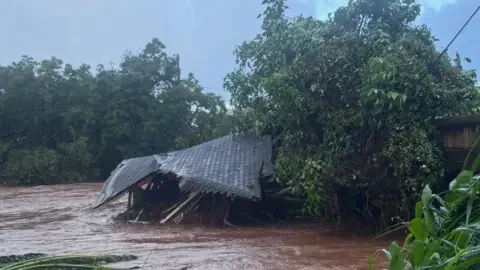
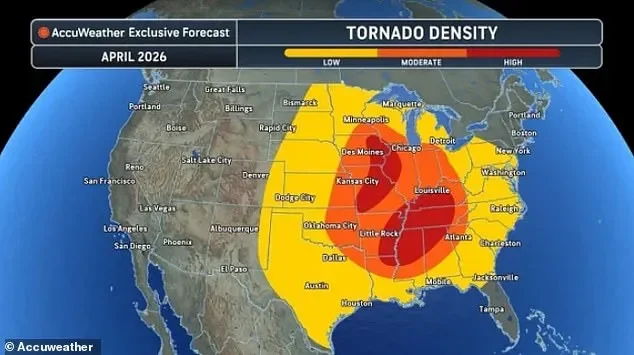
Recent observations and scientific analyses indicate a pronounced migration of tornado-prone weather patterns, often dubbed 'Tornado Alley,' toward eastern regions of the United States. This geographical redistribution elevates the risk profile for millions residing in states that historically experienced less frequent severe storm activity. While the traditional nexus of Texas, Oklahoma, and Kansas remains a focal point, the expanding "alley" now encompasses states like Mississippi, Alabama, Tennessee, Kentucky, Arkansas, Illinois, Indiana, Missouri, and Iowa, potentially impacting a significantly larger population annually.
Increased Intensity and Extended Seasons
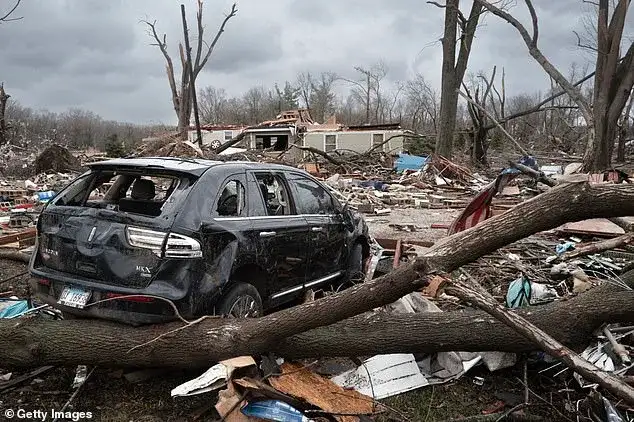
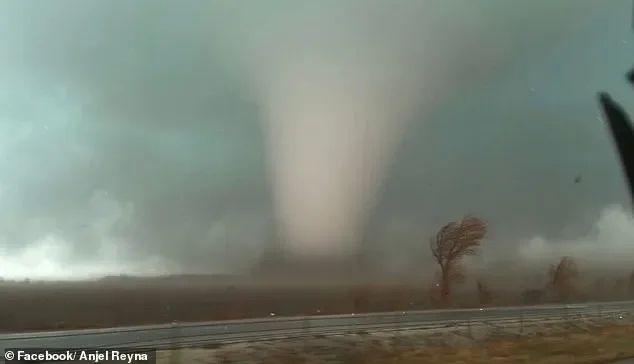
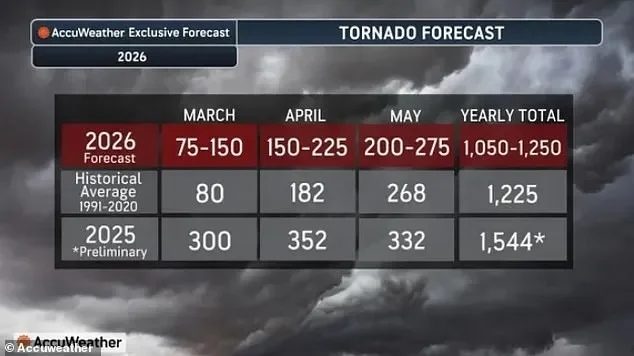
The eastward shift is not merely a geographical displacement; evidence suggests it is also correlated with an increase in tornado deadliness. Fewer days may experience tornadoes, but those days are producing more destructive twisters. Furthermore, an emerging trend towards more winter tornadoes is noted, leaving populations potentially less prepared due to a longer overall tornado season, especially in southern locales. This phenomenon suggests a reevaluation of seasonal preparedness is warranted across a broader swath of the country.
Read More: Saharan dust storm causes flight delays on Greek island during Easter
"Known as Tornado Alley, the old hotspot for extreme weather in Texas, Oklahoma, Kansas and Nebraska is now threatening millions each year in states such as Mississippi, Alabama, Tennessee, Kentucky, Arkansas, Illinois, Indiana, Missouri and Iowa."
The Shifting Dynamics of Severe Weather
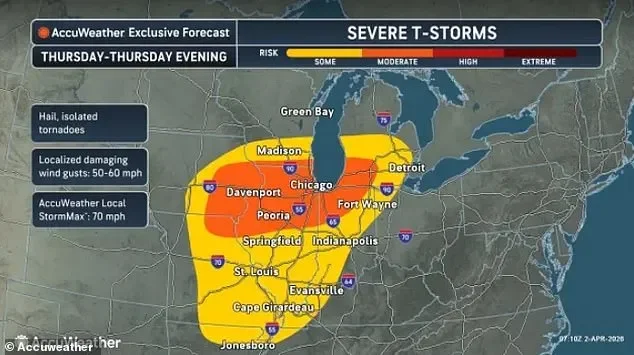
Forecasters are already flagging potential severe weather events for the coming week, predicting a southerly push of storms. This includes warnings for downpours, flooding, and wind gusts exceeding 60 mph, alongside isolated tornadoes. The storm system is anticipated to affect at least eight states, spanning from the Southern Plains and Midwest to the Great Lakes region. Meteorologists at AccuWeather have outlined expected impacts across Texas, Oklahoma, Kansas, Missouri, Illinois, Indiana, Ohio, and Michigan.
Factors Fueling the Transition
While the term "Tornado Alley" is being critically examined as potentially "outdated" by some experts, like Stephen Strader, the underlying meteorological shifts are undeniable. Climate change is posited as a contributing factor to this perilous eastward migration, alongside the fundamental ingredients necessary for tornado formation. These elements—humidity, atmospheric lift from heat, and instability to sustain storms—are reportedly becoming more prevalent east of the Mississippi River, which has already seen a high concentration of tornadoes this year.
Read More: House Leaders Stop Vote on Releasing Epstein Documents in Washington D.C.
Public Preparedness Under Scrutiny
The widening scope of this meteorological hazard raises significant public safety concerns. Current tornado warning systems, despite their crucial role, are noted for demonstrably low subscription rates, suggesting a gap in effective communication and uptake. The need for robust and accessible notification methods is underscored by the increasing unpredictability and reach of these destructive storms.
Background on Tornado Alley
Historically, Tornado Alley referred to a corridor in the central United States where tornadoes were most frequent. This region typically included parts of Texas, Oklahoma, Kansas, and Nebraska. The shift eastward indicates a complex interplay of atmospheric conditions, potentially influenced by long-term climate trends, that are altering the established patterns of severe weather formation and propagation. Researchers like Dr. Brooks have long studied these phenomena, with recent outbreaks serving as stark reminders of the volatile nature of tornadoes and their capacity to emerge rapidly and without warning.
Read More: Ottawa Freezing Drizzle Warning Tuesday: Ice Risks for Commuters and Roads