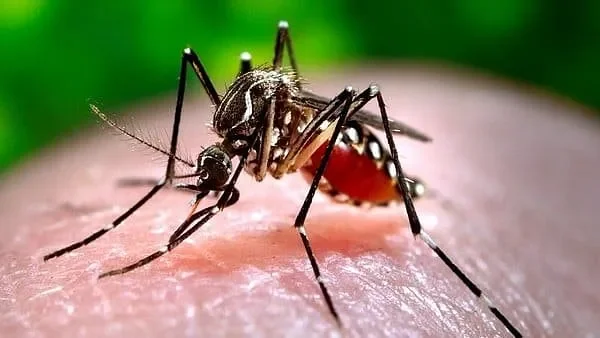
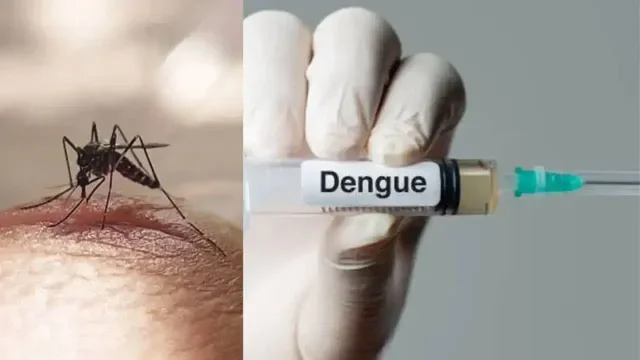
As of April 7, 2026, Thiruvananthapuram is experiencing a significant rise in Dengue infections, shifting the state’s primary health burden toward the capital district. Recent data from Friday alone confirms 31 new dengue cases and two fatalities, including a 14-year-old minor.

Statewide, the contagion shows no deceleration, with 150 confirmed and 330 probable cases reported in a single day.

The broader Kerala health landscape remains under heavy strain due to a convergence of multiple outbreaks:
| Disease | Status / Recent Impact |
|---|---|
| Dengue | High transmission; 300+ daily cases statewide. |
| Leptospirosis | 33 total deaths; 15 new cases recorded Friday. |
| Hepatitis A | Mortality reported in Malappuram. |
| Rabies | Fatalities documented in Kottayam. |
| Influenza | 84 new cases recorded Friday. |
Systemic Failures and Administrative Response
Health authorities have identified waste management and inadequate sanitation within the Thiruvananthapuram Corporation as primary drivers of the current crisis.
Minister Muraleedharan has directed the Director of Health Services to address critical personnel vacancies within the department.
A high-level panel previously advised a unified ‘One Health’ strategy, integrating the departments of agriculture, forest, and local self-government to manage vector-control.
Field-level officials have been urged to utilize the Integrated Disease Surveillance Programme (IDSP) to map high-risk urban slums and coastal zones.
Environmental and Historical Context
The current Monsoon cycle has historically served as a catalyst for elevated vector density in the region. Epidemiological reports indicate that Kerala is hyperendemic for all four dengue serotypes, meaning the virus circulates year-round. While senior health officials had monitored rising vector indices as early as December 2025, the subsequent failure to suppress mosquito populations has manifested in the current, intensified transmission phase.
Read More: India IVF Costs And Social Barriers Limit Access In April 2026
The struggle to contain the outbreak is further complicated by political friction regarding the administration of municipal waste disposal, which experts link directly to the rapid proliferation of mosquito breeding sites in urban wards.