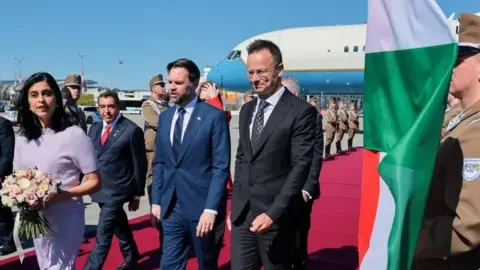
US Vice President JD Vance has concluded a two-day visit to Hungary, using the platform to accuse the European Union of interfering in the nation's upcoming elections while simultaneously offering strong backing to incumbent Prime Minister Viktor Orbán. Vance’s intervention, just days before Sunday's vote, has drawn sharp criticism, with Germany labeling his claims hypocritical and suggesting his own presence constitutes election interference.
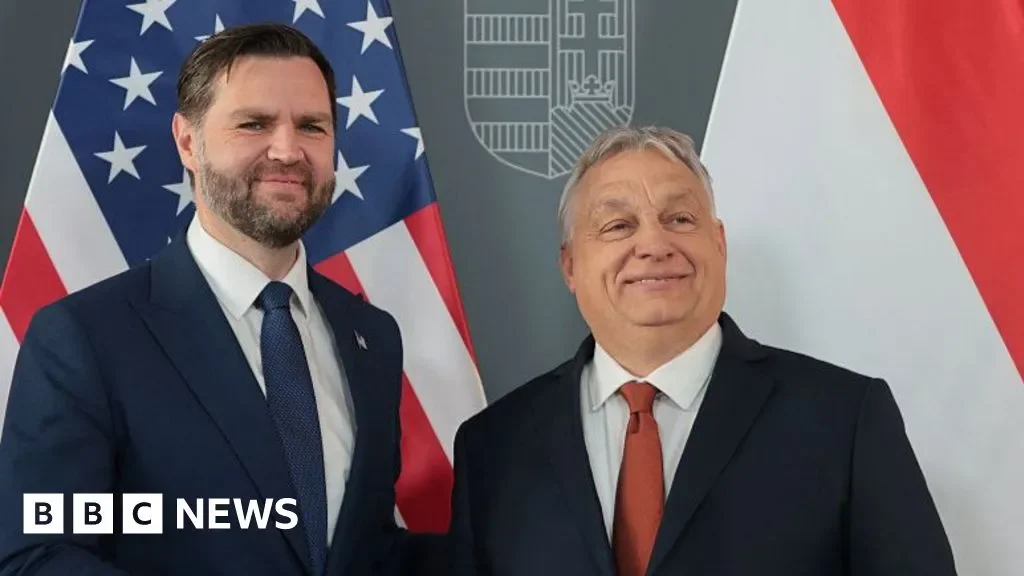
The core of Vance's argument is that Brussels' actions, particularly regarding withheld funds and policy disagreements, amount to external pressure on Hungary's electoral process. He asserted that criticism of Orbán from "most European political capitals" has been unhelpful to peace efforts between Russia and Ukraine, and specifically defended Orbán’s stance on the conflict. Vance explicitly stated he was in Hungary to support Orbán, a move that has been framed as directly engaging in the election campaign.
Read More: Pam Bondi Skips April 14 Deposition After DOJ Says Subpoena Is Invalid
During his visit, Vance participated in a joint press conference with Orbán and attended a campaign rally. At the rally, Vance put his phone to a microphone, allowing Donald Trump to deliver an endorsement of the Hungarian prime minister to a cheering crowd. Vance himself declared that Orbán "does a good job" and is an "important partner for peace." He dismissed the idea that the Hungarian people should listen to the Vice President of the United States, stating that his presence was not primarily for that purpose.
The EU has indicated it will "convey concerns" to the US regarding Vance's actions. Vance, however, pushed back against the notion of US interference, stating that the EU, not Washington, was meddling. He also suggested Ukrainian intelligence services were attempting to influence the Hungarian vote.
Read More: Rutte Meets Trump as US Threatens NATO Exit Over Iran War
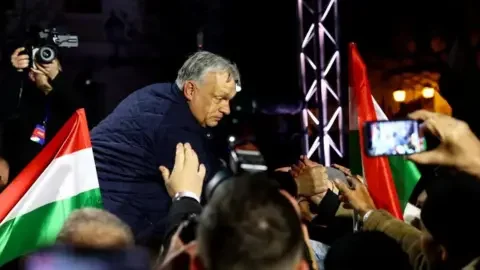
The context of Vance's visit is Orbán's precarious position. Polls suggest the Hungarian prime minister, who has been in power for 16 years, faces a significant challenge to retain his post. Orbán's government has seen its relationship with the EU deteriorate over issues including migration, LGBTQ+ rights, and Hungary's stance on a €90 billion EU loan for Ukraine. Hungary's reliance on Russian energy also remains a significant factor. Vance’s visit was reportedly seen by the Hungarian government as a sign of a "new golden age" in US-Hungary relations.
While Vance stated the US administration would work with any elected Hungarian government, his visit and remarks have thrust the US into the center of a hard-fought domestic election. This approach marks a departure from the traditional restraint shown by past US administrations regarding foreign elections. Germany, in particular, has rebuked Vance, with Berlin stating that his claims of EU meddling were hypocritical given his own vigorous support for Orbán's government shortly before the vote.
Read More: Pentagon Fires Army Chief Randy George During Iran War
Further complicating the narrative, research indicates that Hungary has received substantial EU funding and that Orbán's tenure has coincided with increased corruption within the country. The visit also occurs against a backdrop of prior US gestures of support for Orbán, including an exemption from sanctions on Russian oil and gas after a meeting between Orbán and Trump, and visits by other US political figures.