A stunning upset in a deeply Republican Texas Senate district has sent ripples of alarm through the GOP, raising urgent questions about voter enthusiasm and the party's core messaging just months before crucial midterm elections. While President Trump downplays the significance, strategists and analysts warn that this special election result is far more than a minor blip, potentially signaling a dangerous disconnect between the Republican base and the broader electorate. The question is no longer if the GOP has a problem, but how deep it runs and whether they can truly "wake up" before it's too late.
The Ground Shifts Under Texas: A Special Election Sends Shockwaves
The recent special election in Texas's State Senate District 9 wasn't just a contest for a vacant seat; it was a high-stakes drama played out on Republican territory that ended in a shocking Democratic victory. Taylor Rehmet of the Democratic Party successfully flipped this historically red district, a feat that has left many Republican strategists scrambling to understand what went wrong and what it portends for the upcoming midterm elections. This isn't an isolated incident, but rather the latest in a growing trend of Democratic overperformance in special elections since President Trump took office.
Read More: Taiwan Holds Nantou County Drills to Prepare for State Collapse

The victory by Rehmet in a seat previously held by a Republican has been widely described as a "wake-up call" for the GOP.
Democrats are energized by this win, seeing it as proof that no Republican seat is "safe" as they aim to regain control of the House and potentially the Senate.
Conversely, Republican leaders are grappling with how to interpret the outcome, with some dismissing it as an anomaly and others expressing genuine concern about voter turnout among their own supporters.
Echoes of the Past: Special Elections as Bellwethers
Special elections, though often dismissed as unreliable indicators, have a historical track record of foreshadowing larger political shifts. The Democratic win in Texas District 9 follows a pattern observed since 2017:
| Year | Election Type | Location | Outcome | Significance |
|---|---|---|---|---|
| 2017 | GA Special Election | Georgia's 6th | Democrat Jon Ossoff narrowly loses to Republican | Showed surprising Democratic enthusiasm in a traditionally red district. |
| 2017 | AL Special Election | Alabama Senate | Democrat Doug Jones wins | A major upset, signaling deep dissatisfaction with Republican candidates. |
| 2018 | Various Special Elections | Across the US | Consistent Democratic gains | Foretold the "blue wave" that saw Democrats regain the House of Representatives. |
| 2021-2022 | Various Special Elections | Across the US | Continued Democratic competitiveness/wins | Recent trend of overperformance in special elections, raising GOP alarm bells. |
This Texas election fits squarely into this evolving narrative. The question remains: Will the GOP heed these earlier warnings, or will they, as some suggest, continue to "overreact" or offer "rationalizations" for losses when they become inconvenient?

The Trump Factor: Endorsement vs. Electorate?
President Trump has been a central figure in Republican politics, and his endorsements carry significant weight. In the Texas race, Trump did indeed endorse the Republican candidate, Jonathan Wambsganss. However, the outcome suggests that even a presidential endorsement may not be enough to overcome deeper voter concerns or to mobilize the necessary turnout.
Read More: Texas Rangers beat Detroit Tigers 10-4 on July 2 2026 in Arlington
Trump himself has dismissed concerns about the Texas loss, a response that has drawn criticism from some within the party.
Others point to the potential for Trump's controversial rhetoric or policies to alienate key demographics, including Hispanic Texans, a demographic that has shown fluctuating allegiances.
Could the "Trump effect" be waning, or is it a more complex interplay of factors where his influence isn't the sole determinant of victory in every contest?
Turnout Troubles and Messaging Misfires: The GOP's Dilemma
A recurring theme in the analysis of this Texas upset is the issue of Republican turnout. Reports indicate that Republican voters did not show up in the numbers needed to secure the victory, while Democratic voters, fueled by the potential to flip a red seat, demonstrated higher engagement. This raises critical questions about the GOP's ability to motivate their base.
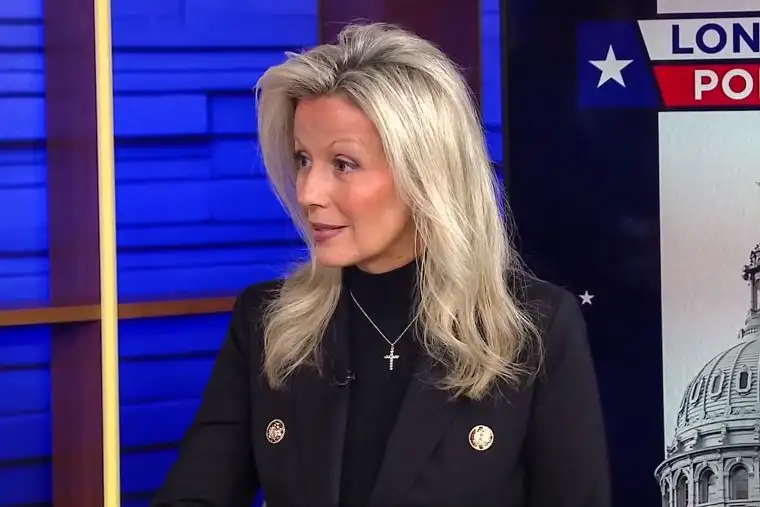
"If Democrats can win this seat, it puts a lot of other seats in play," warned Bill Steinhauser, a political strategist. "Democrats are energized and Republicans did not turn out in the numbers they should have."
Is the Republican message failing to resonate, or are core supporters feeling disengaged in elections where Trump isn't directly on the ballot?
Strategists like Jason Chaffetz have attempted to dismiss links to Trump's immigration policies, but the question lingers: Are these policies, or the messaging surrounding them, alienating voters?
Furthermore, the fact that the election was held on a Saturday, an unusual day that might have suppressed turnout for some, adds another layer of complexity to the turnout narrative.
Redistricting Roulette: A Calculated Risk That Backfired?
The timing of this special election also brings Republican redistricting efforts in Texas under scrutiny. While proponents argued that the new maps were designed to secure more Republican seats, this upset victory suggests that demographic shifts and voter sentiment may be more potent forces than even meticulously drawn districts.
Read More: FBI Analysts Review Georgia 2020 Election Data in Fulton County
"How successful the Republican Party's redistricting efforts in Texas will be… has been called into question after the GOP lost a special Senate election on Saturday."
Did the focus on securing future congressional districts, such as Texas's 35th, inadvertently create a dynamic where a historically Republican state Senate seat became vulnerable?
Can redistricting truly override a widespread swell of support for the opposing party, as some analysts suggest this election indicates?
With the Texas redistricting map still making its way through the Supreme Court, does this special election outcome weaken the GOP's legal or political standing?
The Uncomfortable Truth: Affordability and Shifting Priorities
While some Republicans may point to the Saturday election date or specific local issues, the underlying message from voters, as heard by candidates like Taylor Rehmet, is about their fundamental concerns. Rehmet himself highlighted his team's efforts to connect with voters on issues like lowering costs, suggesting that broader economic anxieties might be driving electoral behavior.
"This is about lowering costs," Rehmet stated, implying that economic factors, not just partisan loyalty, are shaping voter decisions.
Was affordability a key issue that boosted Trump in 2024, only to deflate Republican chances in this 2025 special election?
Are Republicans becoming too focused on cultural or ideological battles at the expense of pressing economic concerns that impact a wider swath of the electorate?
How do candidates like Rehmet, who worked to win back Latino voters who swung to Trump, exemplify a messaging strategy that could be more broadly adopted?
Conclusion: A Cry for Change or a Temporary Tremor?
The Democratic flip of Texas Senate District 9 is a stark warning shot across the Republican bow. While President Trump may choose to wave it away, the confluence of low Republican turnout, Democratic enthusiasm, shifting demographic loyalties, and persistent voter concerns about affordability suggests a more profound challenge. This isn't just about one lost seat; it's about the broader narrative the GOP is projecting and whether it aligns with the reality experienced by a growing number of voters.
Read More: Texas Plans Fly Factory to Fight Cattle Parasites
The coming months will reveal whether this special election was a true "wake-up call" for the Republican Party, prompting a recalibration of strategy, messaging, and outreach, or if it will be relegated to the footnotes of history as an anomaly. The stakes for the midterm elections are undeniably high, and the lessons from Texas could very well determine which party controls the levers of power in Washington and beyond. The question for Republicans is simple, yet monumental: Can they truly adapt, or are they destined to repeat the mistakes that led to this "shocker" in the heart of Texas?
Sources:
https://www.foxnews.com/politics/republican-wake-up-call-special-election-shocker-highlights-gop-turnout-midterm-risks
https://edition.cnn.com/2026/02/03/politics/texas-special-election-republicans-midterms
https://nymag.com/intelligencer/article/texas-special-election-shocker-signals-big-trouble-for-gop.html
https://www.newsweek.com/texas-democrat-election-redistricting-11451609
https://www.governing.com/politics/a-texas-seat-flips-blue-is-it-a-midterm-signal
https://www.nbcnews.com/politics/2026-election/democratic-victory-deep-red-texas-district-casts-pall-gop-plans-keep-h-rcna257060
https://www.cbsnews.com/news/texas-democrats-win-state-senate-seat-upset-victory/