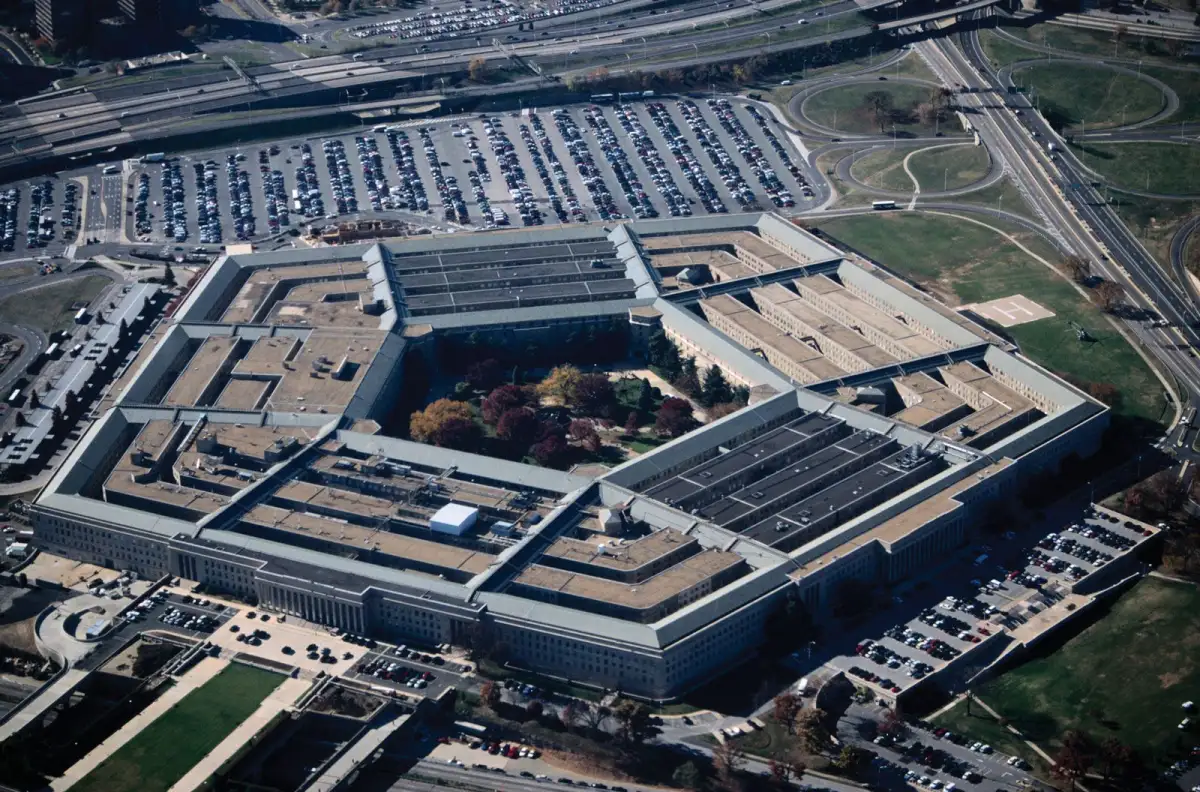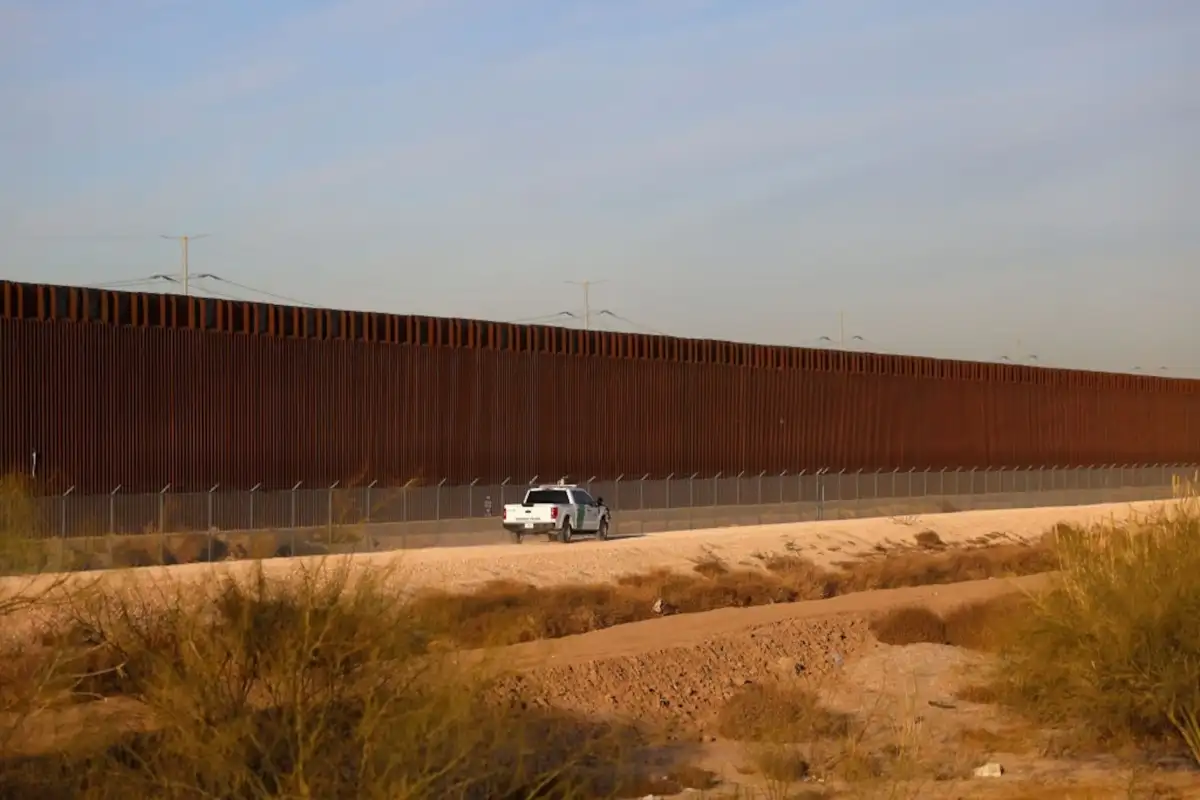
On February 26, 2026, the Federal Aviation Administration (FAA) issued a temporary flight restriction over an area near Fort Hancock, Texas. This action followed reports that a U.S. military laser-based counter-drone system may have accidentally shot down a U.S. government drone, believed to belong to Customs and Border Protection (CBP). The airspace closure, which took effect at 6:30 p.m. local time, was initially scheduled to remain in place until June 24, 2026, and cited "special security reasons."

Congressional aides informed Reuters that the incident involved a laser-based anti-drone system, reportedly on loan from the Pentagon. The airspace restriction has prompted concern among lawmakers regarding coordination between government agencies. This event marks a second instance in February 2026 where airspace near El Paso, Texas, was restricted due to concerns surrounding the use of such military technology, following a previous temporary closure related to the reported use of a similar laser system on a party balloon.
Read More: Electric Planes Tested For Cargo Flights By Beta Technologies

Timeline of Events and Key Actors
The series of events leading to the FAA's airspace restriction in Fort Hancock, Texas, began to unfold in February 2026.
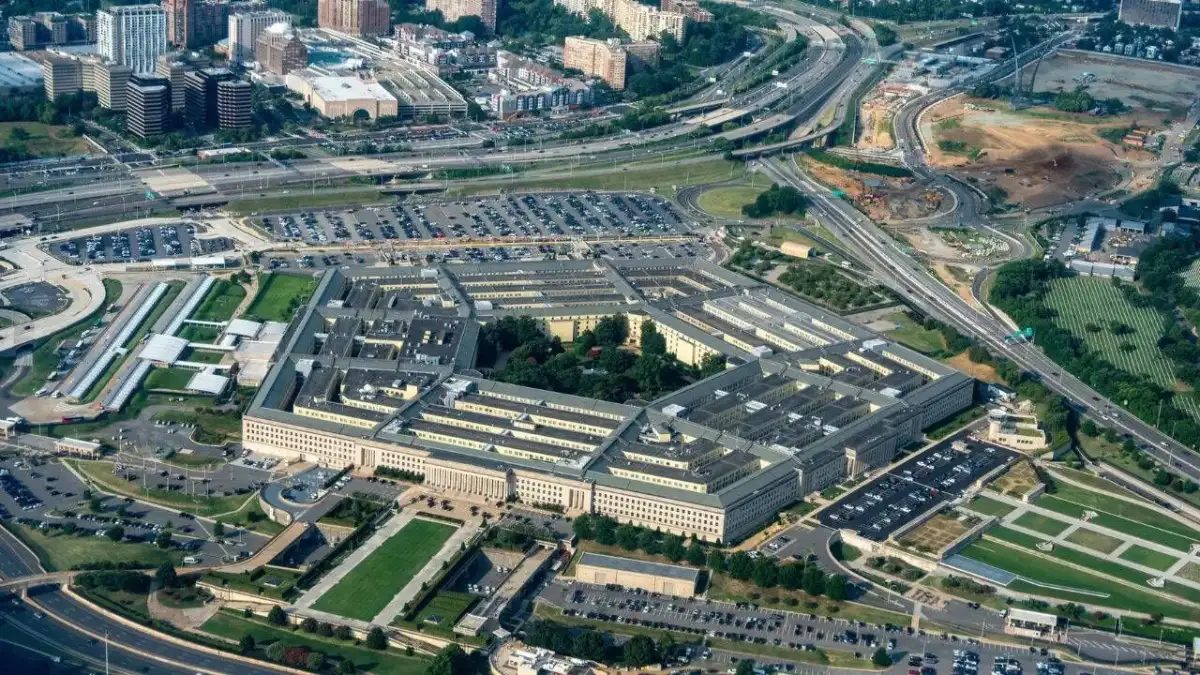
Early February 2026: The FAA temporarily halted air traffic around El Paso International Airport. This closure was reportedly due to safety concerns related to Pentagon military drone tests near Fort Bliss, an area adjacent to El Paso. Later, it was reported that CBP agents used a Pentagon-loaned laser-based anti-drone system to down what was identified as a party balloon. The FAA eventually lifted this restriction after approximately eight hours.
February 26, 2026:
Federal officials confirmed that the U.S. Department of Defense (DoD) used a laser weapon to down a U.S. Customs and Border Protection (CBP) drone.
The incident occurred in the vicinity of Fort Hancock, Texas, a community on the U.S.-Mexico border.
Congressional aides briefed Reuters and other media outlets about the event, indicating a military laser-based anti-drone system was believed to be responsible for accidentally shooting down the CBP drone.
Top Democrats on the House Transportation and Infrastructure Committee, including Representatives Rick Larsen, Bennie Thompson, and André Carson, released a joint statement expressing alarm. They claimed the drone belonged to CBP and criticized a perceived lack of coordination between the Pentagon, Department of Homeland Security (DHS), and the FAA.
The FAA issued a Notice to Air Missions (NOTAM), barring flights in the Fort Hancock area from 6:30 p.m. local time until June 24, 2026, citing "special security reasons." Air ambulance and search and rescue flights could be authorized with approval from the Joint Task Force-Southern Border.
The Pentagon and CBP reportedly informed congressional offices about the incident and the FAA closure.
February 27, 2026: Multiple news outlets, including The Guardian, Fox News, CNBC, USA Today, ABC News, The Texas Tribune, CBS News, AP News, Timesnownews, Forbes, and CNN, reported on the incident and the subsequent FAA airspace restrictions.
Key Entities Involved
| Entity | Role in the Incident |
|---|---|
| U.S. Department of Defense (DoD) | Reportedly operated the laser-based anti-drone system that is believed to have downed the CBP drone. |
| Customs and Border Protection (CBP) | The owner of the drone that was reportedly shot down by the U.S. military. |
| Federal Aviation Administration (FAA) | Issued the temporary flight restriction over Fort Hancock, Texas, citing "special security reasons." |
| Members of Congress | Informed of the incident; some issued statements criticizing the lack of coordination between agencies and the administration's handling of drone technology. |
| Reuters, Fox News, CNBC, etc. | Media outlets that reported on the incident based on information from congressional aides and federal officials. |
Congressional Concerns Regarding Coordination and Training
Members of Congress, particularly Democrats on committees overseeing aviation and homeland security, voiced significant concerns about the operational and safety aspects of the incident.

Lack of Coordination: Representatives Larsen, Thompson, and Carson highlighted what they described as a "lack of coordination between the Pentagon, DHS and the FAA." They suggested that this incident was a direct outcome of decisions to "sidestep a bipartisan, tri-committee bill to appropriately train C-UAS operators."
Safety Review: Reports indicated that the FAA agreed to drop its airspace restrictions around El Paso if the Pentagon delayed further testing of the laser-based anti-drone system pending an FAA safety review.
Policy Criticism: Lawmakers expressed strong disapproval, with statements like "Our heads are exploding over the news that DoD reportedly shot down a Customs and Border Protection drone using a high risk counter-unmanned aircraft system." They characterized the administration's approach as "short-sighted."
Use of Laser-Based Anti-Drone Systems
The incident in Fort Hancock involved the reported use of a laser-based anti-drone system.
System Type: This technology is described as a "high-risk counter-unmanned aircraft system" or "directed-energy anti-drone technology."
Previous Incidents: Reports suggest that similar laser systems have been deployed near El Paso previously. In an earlier incident in February 2026, CBP agents reportedly used a Pentagon-loaned laser system to neutralize a party balloon, prompting an FAA flight restriction. Media reports at the time suggested this earlier deployment was related to concerns about "cartel drone incursion."
Testing and Approval: There is an indication that both the Pentagon and CBP believed they could deploy the laser system without prior FAA approval, as noted by congressional aides. This stance has drawn criticism regarding inter-agency protocols.
FAA Airspace Restrictions
The FAA's primary action was the implementation of a temporary flight restriction (TFR).
Location: The TFR covers an area around Fort Hancock, Texas, near the U.S.-Mexico border.
Duration: The restriction was set to remain in effect until June 24, 2026.
Scope: All aircraft operations were prohibited within the restricted airspace, with exceptions for air ambulance and search and rescue flights, which required authorization from the Joint Task Force-Southern Border.
Impact on Commercial Flights: Reports suggest that the restrictions were not expected to impact commercial flights.
Conclusion
The accidental downing of a CBP drone by a U.S. military laser system near Fort Hancock, Texas, has led to a significant FAA airspace restriction and considerable unease among federal lawmakers. The incident underscores a critical disconnect in coordination and safety protocols between key government agencies responsible for aviation and national security.
Key takeaways include:
A U.S. government drone, identified as belonging to CBP, was reportedly shot down by a Pentagon laser-based anti-drone system.
The FAA responded by closing airspace around Fort Hancock, Texas, citing "special security reasons."
Members of Congress have criticized a perceived lack of coordination and oversight in the deployment of such advanced weaponry, advocating for improved training and inter-agency collaboration.
This event follows a similar incident near El Paso involving a laser system, raising questions about the established protocols for testing and deploying these technologies.
Further investigation into the operational circumstances, the specific coordination failures, and the adequacy of existing training and safety reviews for counter-drone systems appears warranted. The implications for aviation safety and border security operations in the region remain a subject of ongoing scrutiny.
Read More: US Warns of Increased Israeli Spying Threat
Sources
The Guardian: https://www.theguardian.com/us-news/2026/feb/26/texas-airspace-closed-drone-laser
Fox News: https://www.foxnews.com/politics/faa-restricts-texas-airspace-after-pentagon-system-shoots-down-customs-border-protection-drone
CNBC: https://www.cnbc.com/2026/02/27/faa-closes-fort-hancock-texas-airspace-after-reported-accidental-laser-use.html
USA Today: https://eu.usatoday.com/story/news/nation/2026/02/26/texas-airspace-closed-after-military-downs-cbp-drone-lawmakers-say/88890202007/
ABC News: https://abcnews.go.com/US/dept-defense-shoots-customs-border-protection-drone-el/story?id=130548708
The Texas Tribune: https://www.texastribune.org/2026/02/26/texas-el-paso-border-drone-laser-airspace-closure/
CBS News: https://www.cbsnews.com/news/pentagon-shoots-down-customs-and-border-protection-drone-texas/
AP News: https://apnews.com/article/military-laser-border-drone-texas-airport-55aaab7093f7d6dd174f909f3875001c
Timesnownews: https://www.timesnownews.com/world/us/us-news/faa-closes-fort-hancock-texas-airspace-after-reported-accidental-use-of-pentagons-anti-drone-laser-near-el-paso-article-153707818
Forbes: https://www.forbes.com/sites/siladityaray/2026/02/27/faa-shuts-down-airspace-after-us-military-laser-shoots-down-cbp-drone-over-texas/
CNN: https://edition.cnn.com/2026/02/26/us/pentagon-shoots-down-cbp-drone