The future of a bill designed to enhance air safety, following a fatal collision over the Potomac River, is now uncertain. The Pentagon has withdrawn its support for the legislation, a move that has drawn sharp criticism from key lawmakers. This development complicates efforts to implement safety changes recommended after a commercial jet and a military helicopter crashed, resulting in 67 fatalities. The situation highlights a divide over how best to balance national security needs with public aviation safety.
Background of the D.C. Mid-Air Collision
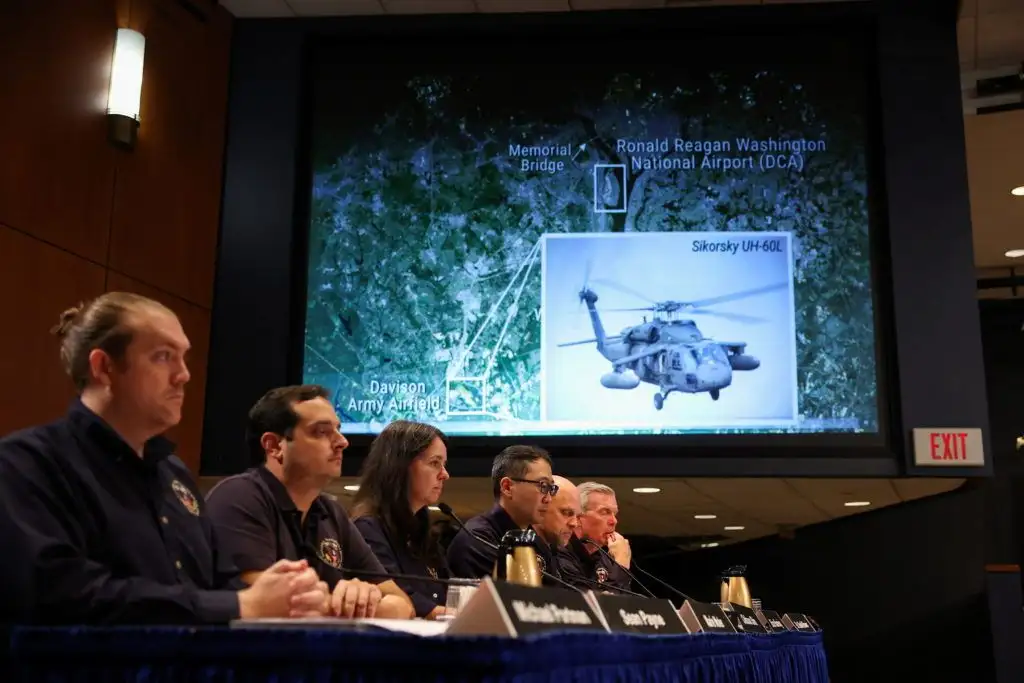
On January 30, 2025, a mid-air collision occurred over the Potomac River near Ronald Reagan Washington National Airport (DCA). An American Airlines jet and a U.S. Army Black Hawk helicopter collided, leading to the deaths of all 67 people on board both aircraft. Survivors were not expected.

The U.S. government, specifically the Federal Aviation Administration (FAA) and the Army, admitted playing a role in the crash.
Investigators noted that the helicopter pilots had indicated they had visual separation from the jet and sought approval for it.
The National Transportation Safety Board (NTSB) highlighted issues including the military's use of national security waivers to avoid broadcasting location data, a practice that predated the crash.
The Black Hawk helicopter involved in the collision was not broadcasting its location using ADS-B technology at the time of the crash.
The NTSB stated that the use of ADS-B could have provided the passenger plane pilot with an alert 59 seconds before the collision and the helicopter crew with 48 seconds.
Legislative Response and Initial Support
In the wake of the tragedy, lawmakers introduced legislation to address the factors contributing to the crash.
Read More: Pentagon Removes 180 Religious Data Points From Military Records

The ROTOR Act was proposed as a response to the mid-air collision.
A more comprehensive bill, known as the ALERT Act, was developed by bipartisan leaders from the House Transportation and Infrastructure Committee and the House Armed Services Committee.
The ALERT Act aimed to incorporate all 50 safety recommendations made by the NTSB following its investigation.
Key areas addressed by the ALERT Act included:
Mandating collision mitigation and alerting technologies for aircraft.
Improving helicopter route design and separation.
Enhancing air traffic control training and procedures.
Strengthening safety in the congested DCA airspace.
Repealing a specific section of the previous National Defense Authorization Act that potentially allowed military operations to continue without enhanced safety measures.
The ALERT Act was designed to honor the victims and their families, who have been active in advocating for safety improvements.
Pentagon's Shift in Stance
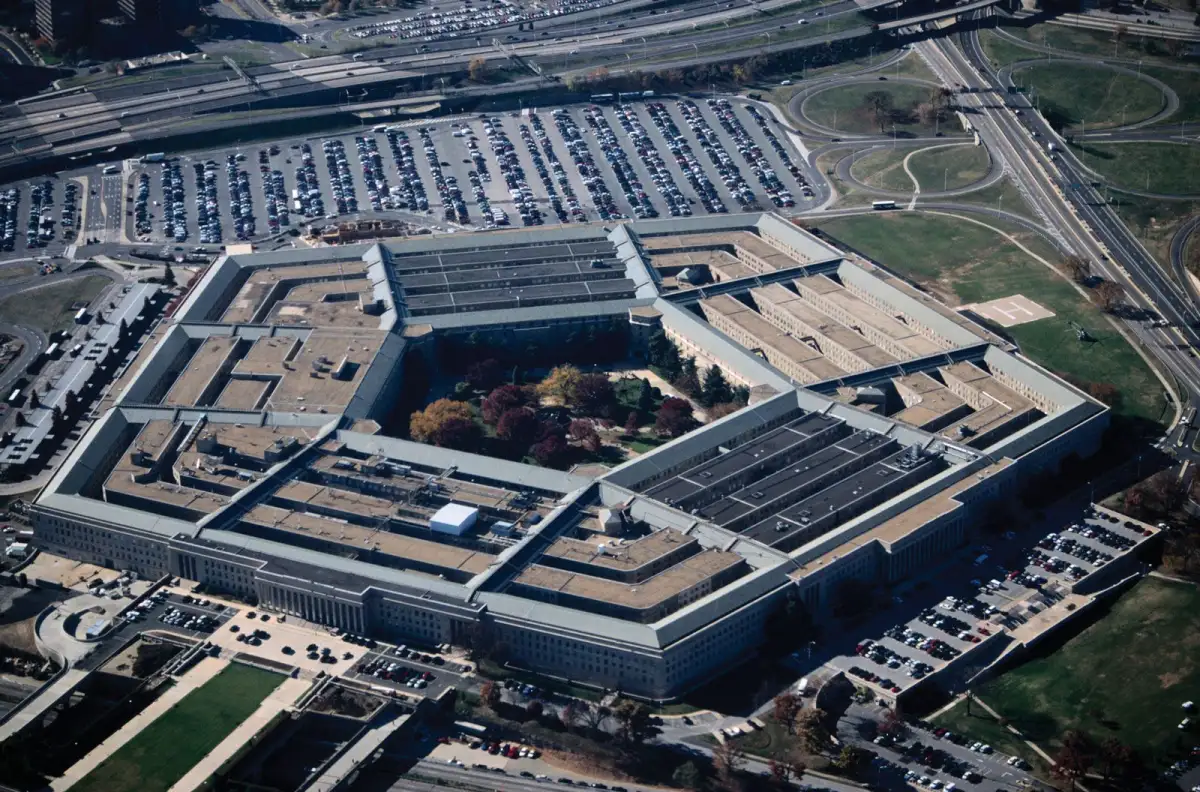
Recently, the Pentagon has withdrawn its support for air safety legislation, creating significant obstacles for its passage.

The Pentagon pulled its support for the ROTOR Act.
Key House members have vocally objected to the passage of the ROTOR Act on the House floor.
The NTSB has warned that certain provisions within defense bills could undermine aviation safety improvements made after the DCA crash.
Concerns have been raised that legislation supported by the Pentagon could allow the military to operate in a manner similar to its practices before the January 2025 collision.
The Pentagon's opposition appears to stem from its historical reliance on national security waivers to bypass FAA safety requirements, such as broadcasting location data.
Conflicting Perspectives on Airspace Safety
Different groups hold varying views on the necessity and scope of proposed aviation safety measures.
Proponents of the ALERT Act argue for a comprehensive approach that fully implements NTSB recommendations.
Representative Rick Larsen (D-Wash.) stated that the ROTOR Act is not as comprehensive as the ALERT Act, which he believes addresses more NTSB recommendations.
Representative Don Beyer (D-Va.) emphasized that passing legislation like the ROTOR Act is a crucial first step toward a safer airspace.
Major aviation unions and many victims' families have urged swift passage of the House bill.
Opponents and those expressing caution highlight national security concerns and the military's operational needs.
The Pentagon's withdrawal of support suggests a prioritization of military operational flexibility, potentially over immediate safety mandates in certain contexts.
The military previously used national security waivers, citing concerns about disclosing helicopter locations.
Expert and Official Concerns
Key investigators and safety advocates have voiced strong opinions regarding the proposed legislation and the Pentagon's actions.
The NTSB has issued warnings that certain defense bill provisions could weaken aviation safety.
In an "unusually harsh rebuke," the NTSB conveyed its concerns in letters to congressional committee leaders.
The head of the NTSB, along with victims' families and Senate Commerce Committee members, expressed that the bill advanced by the House could make U.S. skies less safe.
Some lawmakers on Capitol Hill share the NTSB's concerns.
Current Status and Implications
The withdrawal of Pentagon support has cast a shadow over the legislative efforts to enhance air safety following the D.C. mid-air collision.
The fate of the air safety bill is now less certain.
Key House members are actively objecting to its passage, indicating a significant legislative hurdle.
The debate underscores the challenge of reconciling military operational requirements with public safety regulations in shared airspace.
The FAA had already implemented some changes, including rerouting helicopter paths and limiting military flights in the airspace around Reagan National without broadcasting their location.
It remains unclear whether alternative legislative paths or compromises will emerge to address the NTSB's recommendations and the concerns raised by the Pentagon.
Sources
New York Times (via dnyuz.com): "Pentagon Pulls Support for Air Safety Bill Written After D.C. Collision" (Published: 24 minutes ago) - Provides direct reporting on the Pentagon's withdrawal of support and legislative objections.🔗 https://dnyuz.com/2026/02/24/pentagon-pulls-support-for-air-safety-bill-written-after-d-c-collision/
NPR: "D.C. plane and helicopter crash" (Series) - Offers background context and visual evidence related to the crash incident.🔗 https://www.npr.org/series/g-s1-45759/d-c-plane-and-helicopter-crash
NPR: "NTSB warns that defense bill could undermine aviation safety changes after DCA crash" (Published: December 11, 2025) - Details the NTSB's strong concerns about a defense bill's impact on safety.🔗 https://www.npr.org/2025/12/10/nx-s1-5640050/ntsb-defense-bill-safety-concerns
House Committee on Transportation and Infrastructure: "Aviation Safety Bill to Address Factors in DCA Crash Released by House Committees’ Bipartisan Leaders" (Seen on: Brave) - Outlines the goals and content of the ALERT Act from its sponsors' perspective.🔗 https://transportation.house.gov/news/documentsingle.aspx?DocumentID=409340
PBS NewsHour: "Senators seek to change bill that allows military to operate just like before DC plane crash" (Published: December 11, 2025) - Reports on senatorial efforts to modify a defense bill impacting post-crash safety reforms.🔗 https://www.pbs.org/newshour/politics/senators-seek-to-change-bill-that-allows-military-to-operate-just-like-before-dc-plane-crash
U.S. News & World Report: "Pentagon Raises Concerns Over US Senate Aviation Safety Bill" (Published: 5 hours ago) - Focuses on the Pentagon's expressed concerns regarding an aviation safety bill, mentioning the ROTOR Act and ADS-B.🔗 https://www.usnews.com/news/top-news/articles/2026/02/23/pentagon-raises-serious-concerns-on-us-senate-aviation-safety-bill
The Washington Post: "DCA crash families, NTSB voice concerns over bill restoring flights" (Published: December 31, 2025) - Details the alarms raised by victims' families and the NTSB regarding a defense funding provision that could reinstate pre-crash military flying procedures.🔗 https://www.washingtonpost.com/transportation/2025/12/10/dc-plane-crash-helicopter-ndaa-bill/
NBC News: "No survivors expected after plane collides with helicopter over Potomac River" (Published: January 30, 2025) - Reports the initial confirmed outcome of the collision.🔗 https://www.nbcnews.com/news/us-news/live-blog/live-updates-plane-crashes-potomac-river-collision-helicopter-reagan-n-rcna189942
PBS NewsHour: "U.S. government admits negligence in DC midair collision that killed 67 people" (Published: December 18, 2025) - Confirms government admission of fault by the FAA and Army in the crash.🔗 https://www.pbs.org/newshour/nation/u-s-government-admits-negligence-in-dc-midair-collision-that-killed-67-people
House Committee on Armed Services (Democrats): "Aviation Safety Bill to Address Factors in DCA Crash Released by House Committees’ Bipartisan Leaders" (Published: 5 days ago) - Provides details on the ALERT Act, its scope, and legislative aims from congressional sponsors.🔗 https://democrats-armedservices.house.gov/2026/2/aviation-safety-bill-to-address-factors-in-dca-crash-released-by-house-committees-bipartisan-leaders