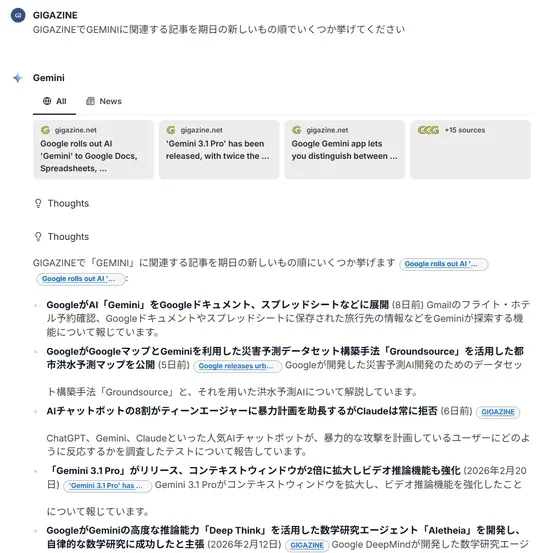
Tesla's much-discussed electric semi-truck is reportedly entering full-scale production, with initial user accounts suggesting a significant departure from conventional diesel operations. Early reports highlight operational advantages, such as improved maneuverability and impressive performance on inclines, with drivers expressing a reluctance to return to older technology. These developments coincide with ongoing legal challenges from established truck manufacturers, who are reportedly taking their disputes to federal courts.
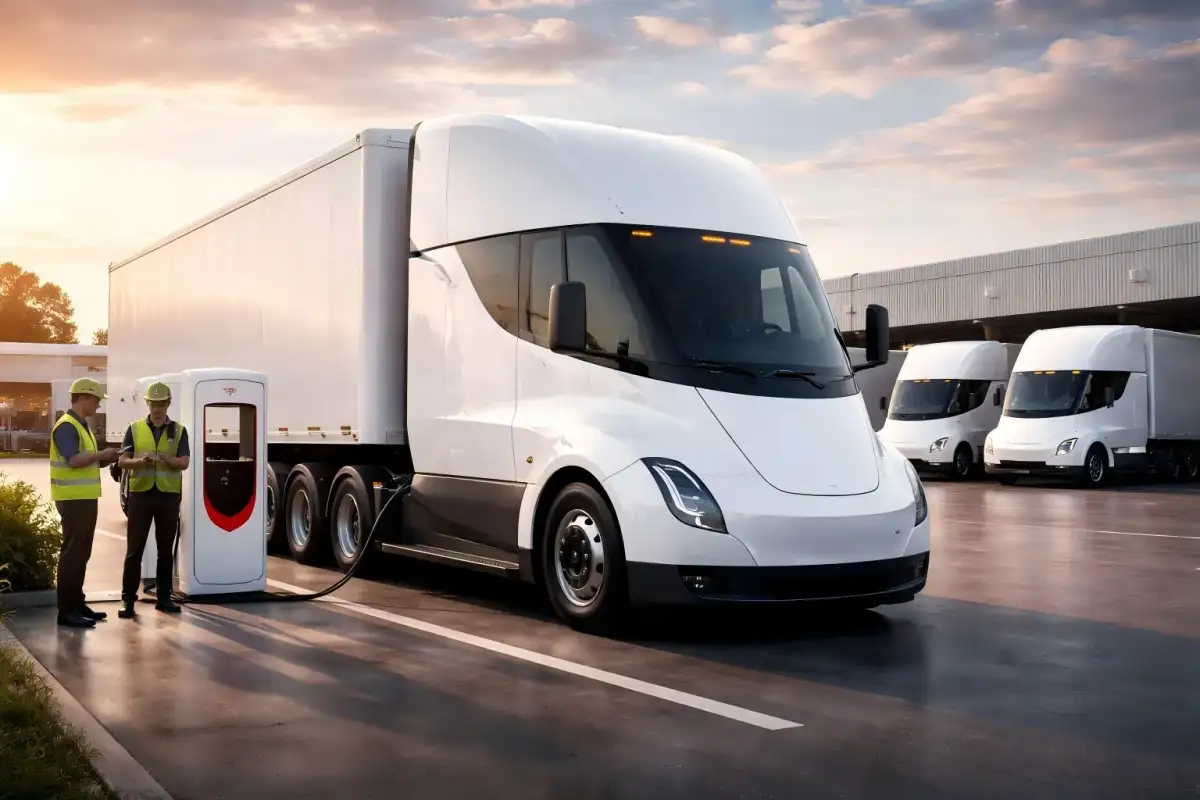
Operational Shifts and Driver Acclaim
"Drivers do not want to drive any other truck once they have driven a Semi."– PepsiCo, as relayed in Transport Topics.
Initial accounts from fleet operators and drivers point to concrete operational benefits:
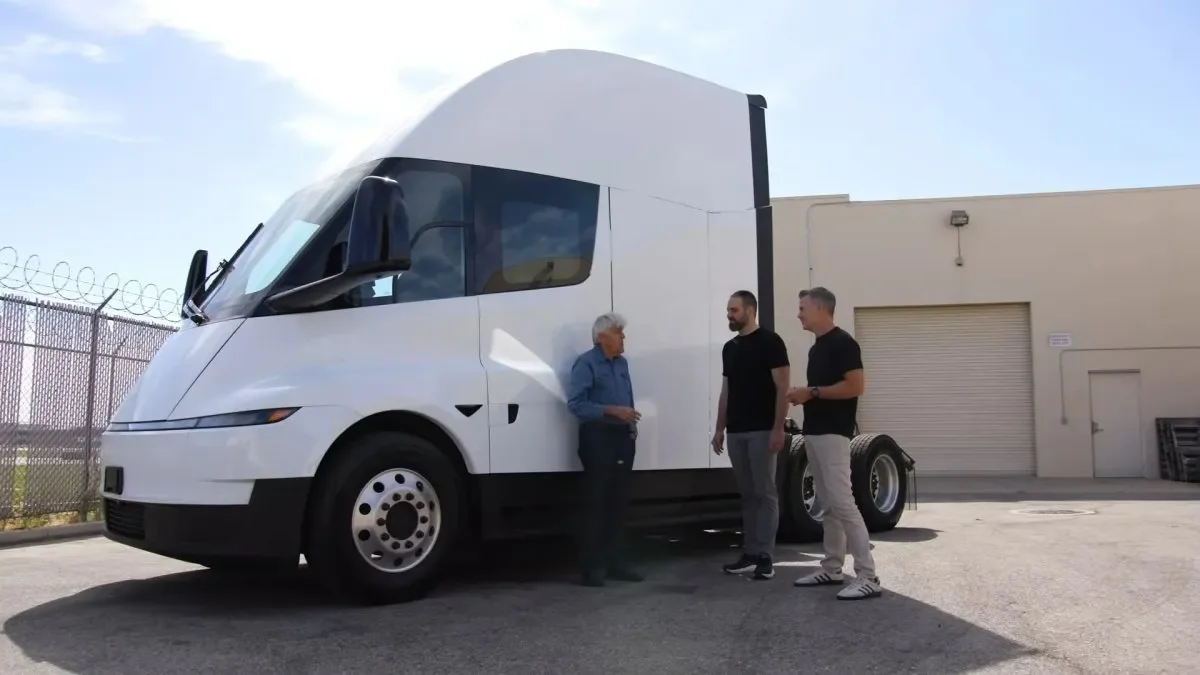
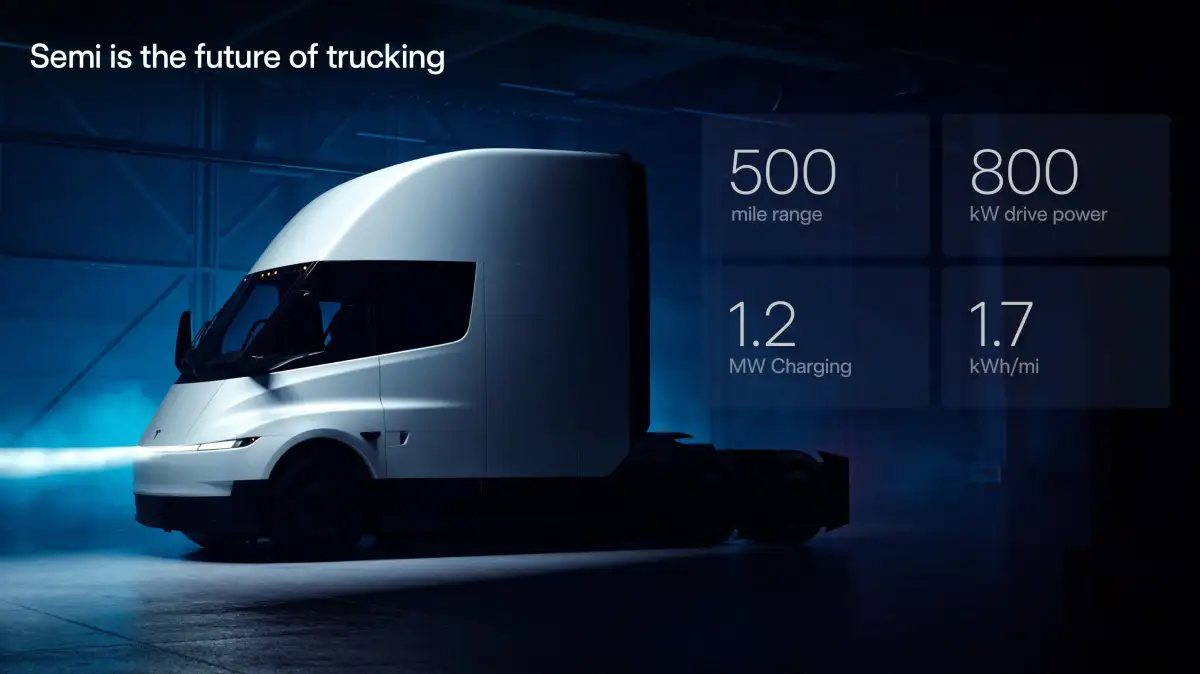
The truck boasts claimed ranges of 325 miles (Standard Range) and 500 miles (Long Range), with some real-world tests showing a single unit covering 384 miles on one charge and 806 miles over a 24-hour period.
Its performance on inclines is noted as a stark contrast to diesel trucks, maintaining highway speeds where conventional vehicles falter.
Acceleration is also cited as a significant improvement, with loaded models reportedly reaching 0-60 mph in 20 seconds, compared to the 45-60 seconds typical for diesel equivalents.
The Semi's design accommodates specialized features, like a modified power-sharing system from the Cybertruck, enabling it to power refrigerated trailers.
Maneuverability is another praised aspect, with one anecdote describing a driver backing out of a tight spot in a single attempt, a task that would typically require multiple checks for conventional rigs.
Economic and Competitive Undercurrents
Reports indicate a substantial cost difference in operation, with the Tesla Semi's power cost estimated at approximately $0.15 per mile, a significant reduction from the $0.48 per mile for diesel trucks. This economic divergence appears to be occurring against a backdrop of legal action, with major truck manufacturers reportedly pursuing litigation rather than direct competition. These established companies are reportedly leveraging federal court challenges, making arguments that echo past industry resistance to regulatory shifts.
Read More: BYD Sells 2,000 EVs in Pakistan in 6 Months, Local Plant Planned
A Long Road to Production
The introduction of the Tesla Semi follows an extended development period, with the vehicle first revealed approximately eight years prior. Recent updates indicate design refinements, including styling reminiscent of the Cybertruck and Model Y, and purported improvements in efficiency and payload ratings. The current iteration is understood to house an approximately 850-kWh battery.
Questions surrounding charging infrastructure, cost, and eligibility for government incentives remain pertinent as the electric truck market continues its nascent development. Tesla claims the Standard Range model features a turning radius comparable to that of a Model Y, attributed in part to a shortened wheelbase, which also contributes to reduced cooling costs.