

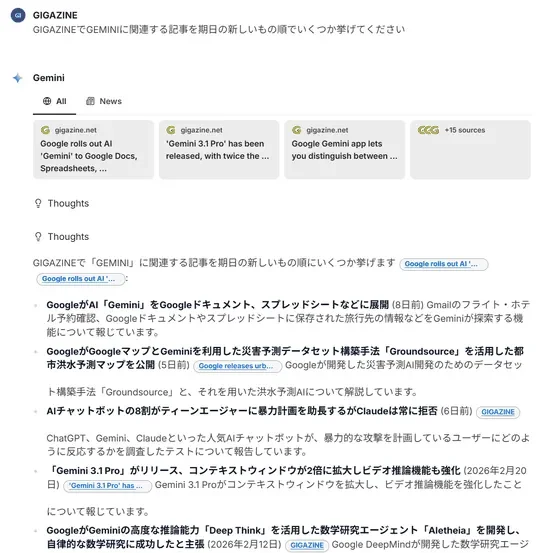
LibreChat presents itself as an open-source, self-hostable platform aiming to consolidate a multitude of artificial intelligence models and functionalities within a single, customizable interface. The system supports the integration of various AI providers, including OpenAI, Anthropic, AWS Bedrock, and Google Vertex AI, among others. Key features highlighted include web search capabilities and automatic image generation, all presented within a framework designed for user control and privacy.
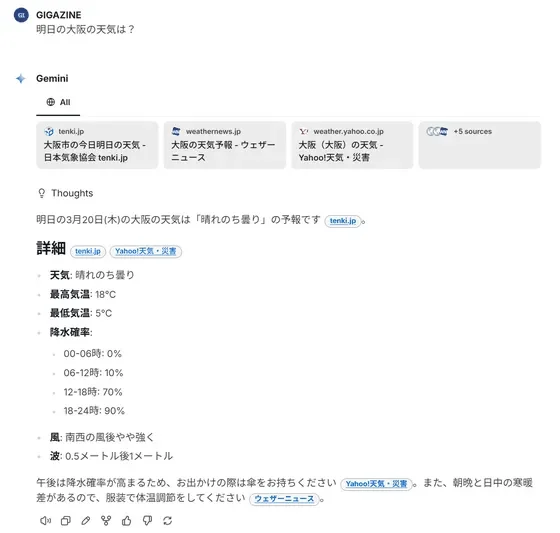
The platform's flexibility is emphasized through its ability to connect to a wide array of AI services and local models, facilitated by the Model Context Protocol (MCP). This allows users to switch between different AI endpoints and leverage services like Ollama, Groq, and Mistral AI without direct proxy configurations. Beyond basic chat, LibreChat touts advanced functionalities such as AI Agents with file handling, code interpretation, and API actions, alongside secure multi-user authentication options for enterprise use.
Read More: Chrome mimeHandler API lets extensions handle file types
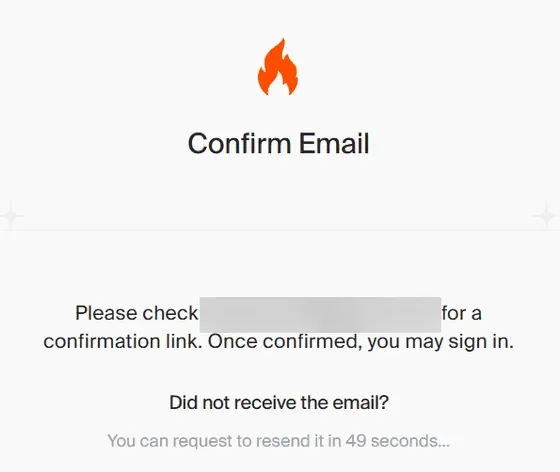
Integrating Web Search and Image Generation
For users seeking to expand their AI's capabilities, LibreChat offers integrated web search and image generation tools.
Web Search Configuration
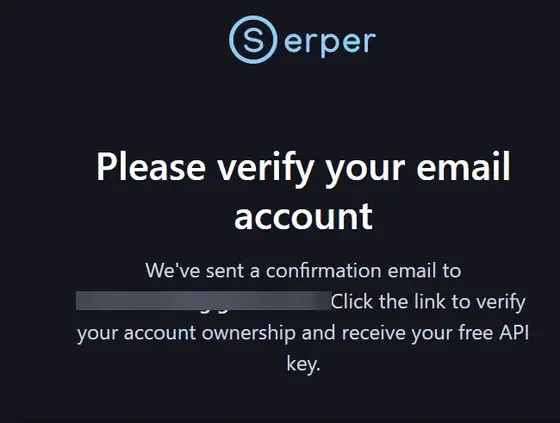
To enable web search, users must configure API keys for specific search providers. This involves obtaining keys from services like Serper.dev, Jina.ai, or Cohere for initial search and result reranking. Administrators can manage these configurations via environment variables, with options to set specific instance URLs for services like Searxng and Firecrawl. The system is designed to retrieve relevant internet information to augment AI conversations.
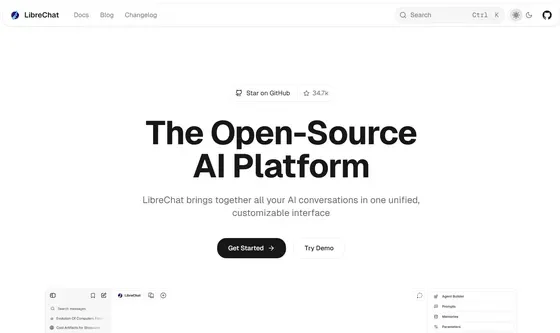
Image Generation Capabilities
LibreChat incorporates image generation and editing tools, notably supporting OpenAI's image models (e.g., GPT-Image-1) and Google's Gemini image tools. These features enable both text-to-image generation and context-aware image editing, aiming for quick setup and user-friendly operation. The platform also mentions compatibility with other models like DALL-E 3, Stable Diffusion, and Flux for visual content creation.
Read More: LLM Council AI System Released 7 April 2026 for Better Accuracy
Core Architecture and Functionality
LibreChat is built as a modular system, with components for backend logic, agent orchestration, and a frontend user interface. It supports a range of programming languages for secure, sandboxed code execution, including Python, Node.js, and Go.
File Handling: Seamlessly upload, process, and download files directly within the chat interface.
Code Interpretation: Execute code in multiple languages securely, with zero setup required.
Agent Framework: Develop and deploy specialized AI assistants, with a potential marketplace for community-built agents.
Persistent Context: Maintain conversation history across sessions, allowing AI models to retain context.
Customization: Offers a customizable interface and the ability to create and share custom presets for prompts and AI configurations.
Authentication: Enterprise-ready authentication options including OAuth, SAML, and LDAP.
Multilingual Support: A user interface available in numerous languages.
Development and Community
The project is open-source, actively developed, and encourages community contributions. Its development appears to be distributed across various packages, including backend, frontend, and agent-specific modules, with a robust configuration system that combines environment variables, YAML files, and schema validation. The platform aims to provide a privacy-focused alternative for users who want greater control over their AI infrastructure.





