Echoes of Fire Phone Resurface as Company Bets on AI-First Mobile
Amazon is reportedly embarking on another venture into the smartphone arena, a decade after the commercial failure of its Fire Phone. This new initiative, internally codenamed "Transformer," appears to pivot from previous attempts by prioritizing Alexa and AI-driven personalization at its core. Sources close to the project suggest the device aims to act as a constant, voice-activated portal to Amazon's ecosystem, facilitating shopping, entertainment, and partner services throughout the user's day.
The central tenet of the "Transformer" project is to embed Alexa deeply within the mobile experience, transforming the device into an AI-first node that seamlessly integrates with Amazon's broader suite of services and aims for pervasive user access.
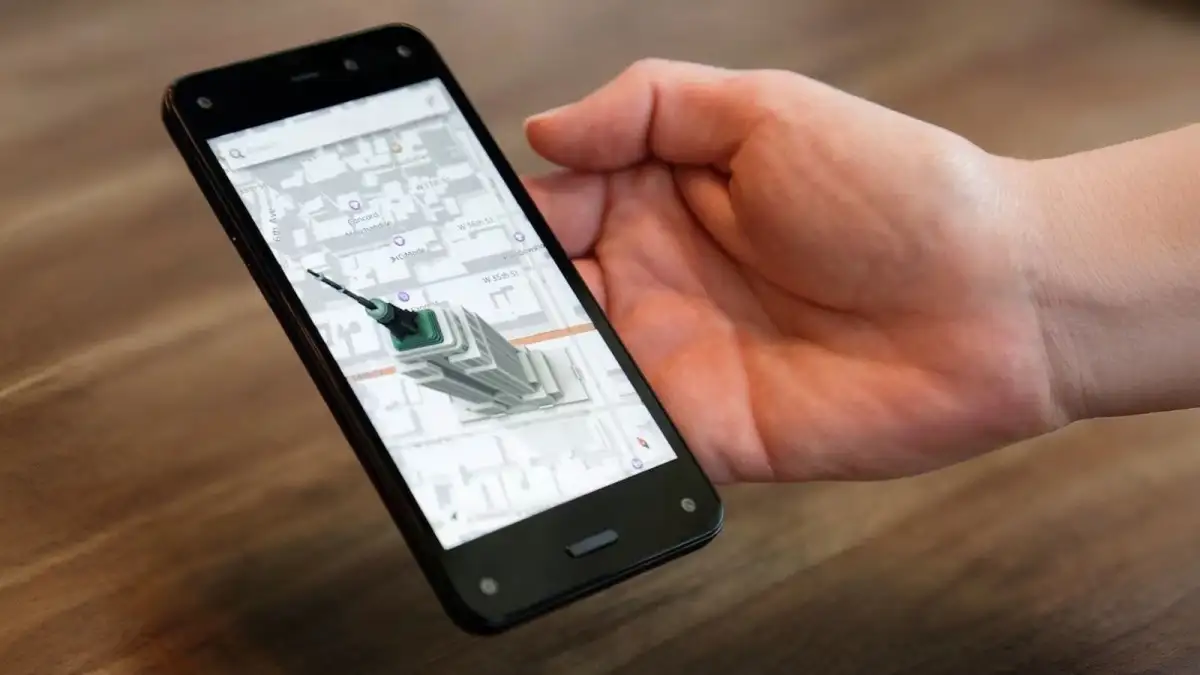
The project is seen as a revival of Jeff Bezos's long-standing ambition for a computing assistant that follows users ubiquitously, a vision that proved elusive with the Fire Phone. Unlike its predecessor, the "Transformer" is being developed within Amazon's existing devices and services unit. While specific form factors are said to be under exploration, the overarching goal is a device that makes interactions with Amazon—such as shopping, streaming Prime Video, or listening to Amazon Music—more effortless.
Read More: Microsoft Invests $10 Billion in Japan for AI and Data Security by 2029
Lessons Learned or Repeated?
The Fire Phone met with significant market indifference despite attempts to bundle it with incentives like a free year of Amazon Prime. Analysts suggest that Amazon's current strategy for "Transformer" may not hinge on competing directly with established players like Apple or Samsung on traditional smartphone benchmarks. Instead, the focus seems to be on reframing the device as an AI-centric extension of Amazon's services, leveraging advancements in artificial intelligence, particularly with Alexa's evolving capabilities, to create a distinct value proposition.
The company has yet to announce partnerships with wireless carriers for the "Transformer." This lack of carrier engagement, coupled with the memory of the Fire Phone's commercial struggles, raises questions about market reception. The success of this endeavor may depend on Amazon's ability to convincingly demonstrate the utility of an "Alexa-first" smartphone to a public that has grown accustomed to other mobile ecosystems. The ongoing development is being watched closely, particularly in light of other tech giants exploring hardware prototypes with an emphasis on AI.
Read More: Apple Foldable iPhone Expected 2026 With Four Cameras and Touch ID