The Next Iteration of Nintendo's Console, dubbed the 'Switch 2', is reportedly slated for a 2025 release, with initial reports from Nintendo (Hong Kong) Limited confirming a successor to the current Switch model.
A key point of discussion surrounding the upcoming hardware involves a potential revision that includes a replaceable battery, a move that could signal a departure from sealed-unit designs common in recent years. This information, while not officially confirmed by Nintendo's global branches, has surfaced through various channels and points towards a device aiming for extended user longevity and potentially easier maintenance.
The Japanese company, a veteran in the gaming hardware sector since its founding in 1889, has a history of evolving its offerings. The 'Switch 2' is set to leverage this experience, with plans for it to play existing 'Nintendo Switch' software, though the compatibility details for all titles are yet to be fully elucidated. A dedicated reveal event, "Nintendo Direct: Nintendo Switch 2 – 2025.4.2," is scheduled to unveil further specifics.
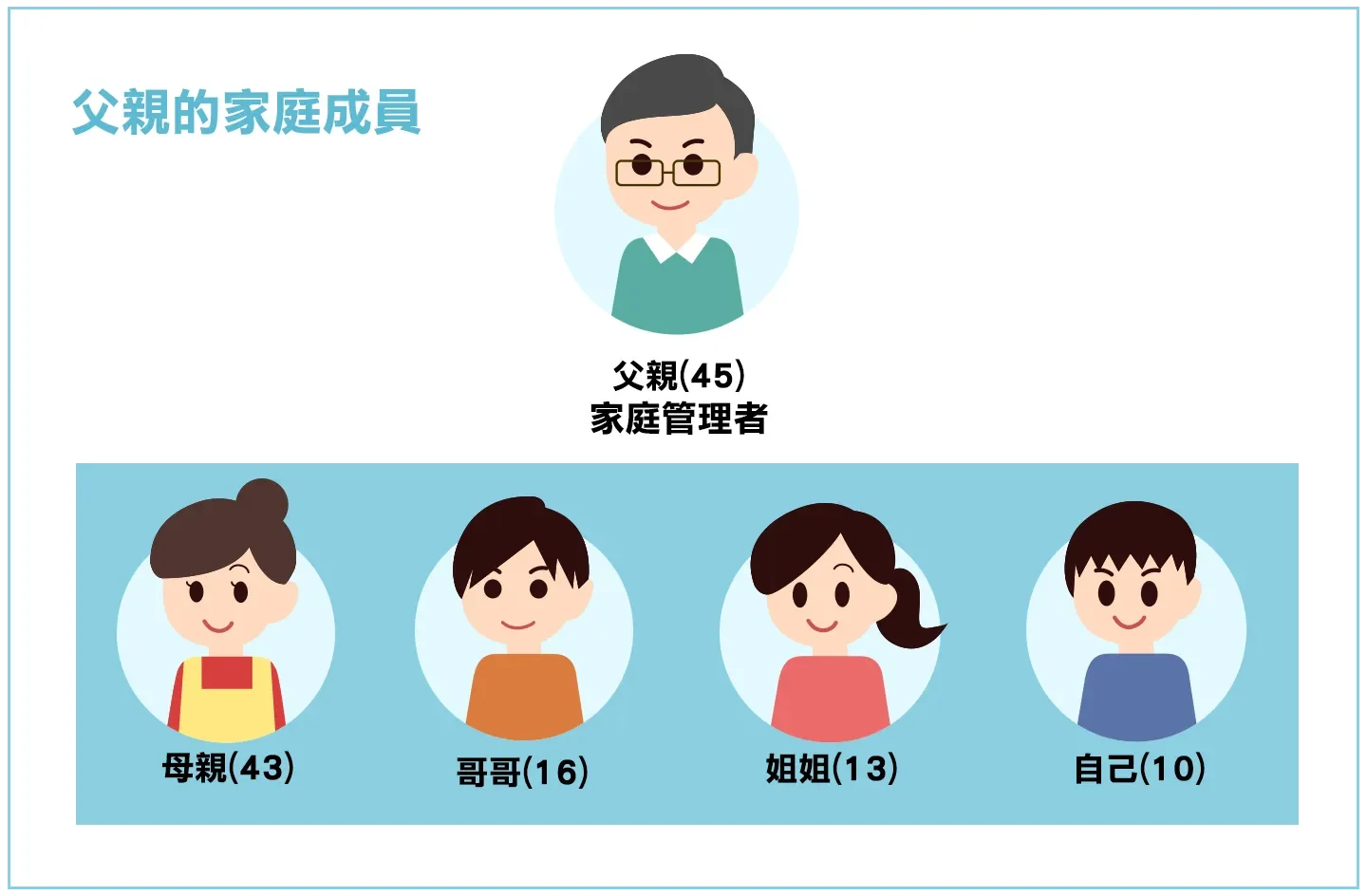
Beyond hardware specifics, Nintendo is also detailing the user experience for its new platform. A "System Transfer" process is outlined, allowing existing 'Nintendo Switch' data to be moved to the 'Switch 2' during initial setup, integrating with the user's existing 'Nintendo Account'. This account system, free to establish, underpins access to services like the 'Nintendo eShop' and online play, with various account types catering to different age groups and family structures.
Read More: The Very Organized Thief Game Controls Explained for Players in 2026
Furthermore, the company is preparing for hands-on experiences with the 'Switch 2' through events titled "Nintendo Switch 2 Experience." Details regarding service requests for the 'Switch 2' are also available, indicating a structured approach to troubleshooting and repairs, much like with its predecessors.
A Legacy of Innovation
Nintendo, with its roots tracing back to the late 19th century, has consistently sought to redefine interactive entertainment. From the 'Family Computer' in 1983 to the current 'Nintendo Switch', the company has manufactured and distributed both hardware and software, contributing over 850 million hardware units and more than 5.8 billion software titles globally. Its approach, often characterized by a focus on "creating unique entertainment," extends beyond consoles to encompass mobile applications, films, and theme park attractions. The development of iconic franchises such as 'Mario', 'Donkey Kong', and 'The Legend of Zelda' underscores its long-standing impact on popular culture.
Read More: Microsoft Invests $10 Billion in Japan for AI and Data Security by 2029