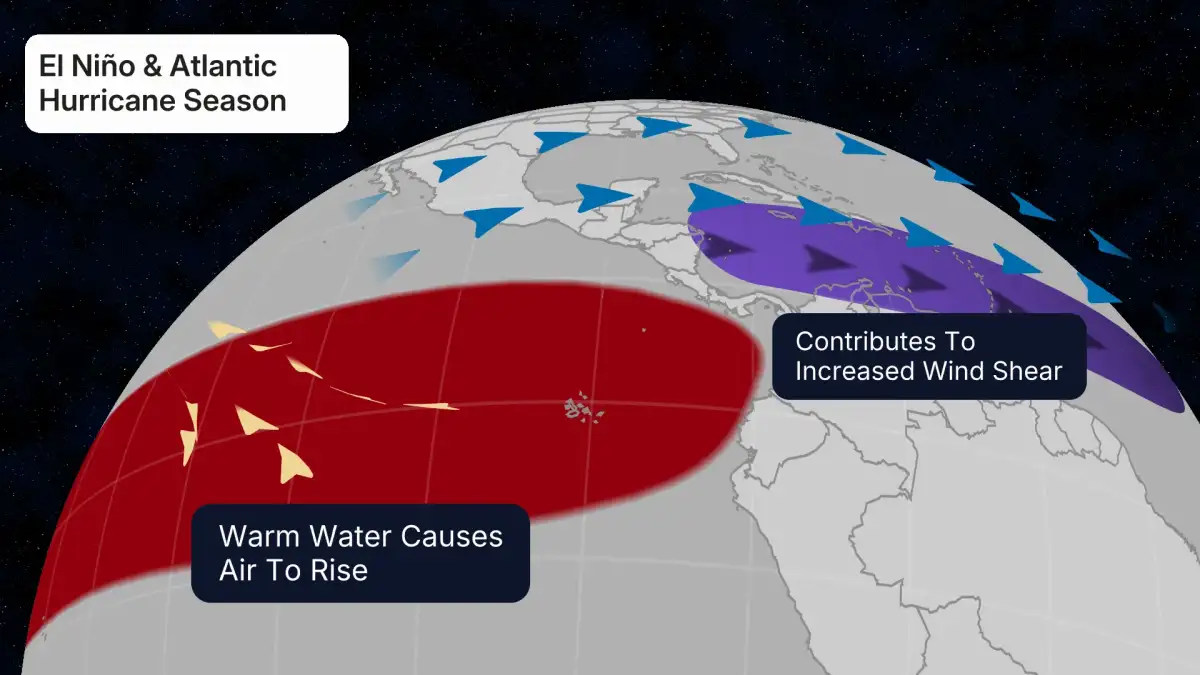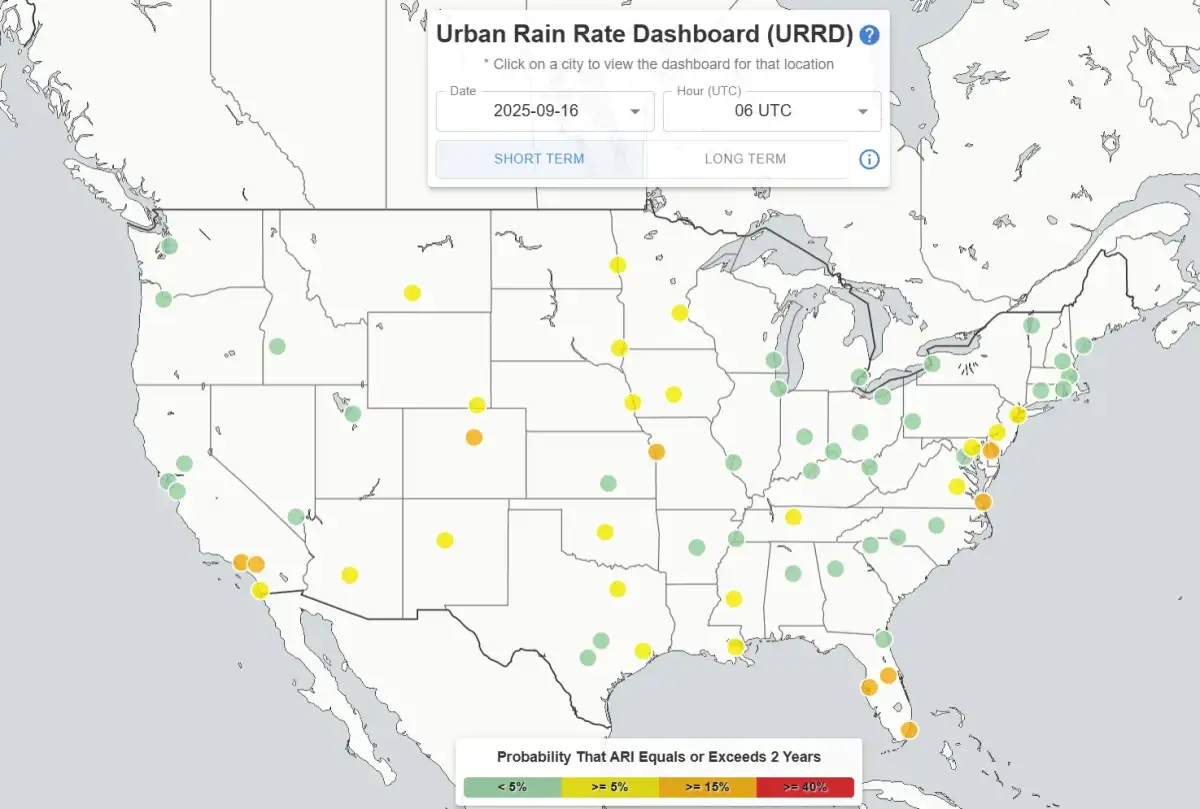
TELANGANA HAS MOVED TO CLASSIFY 'HEAT WAVES' AS A STATE-SPECIFIC DISASTER, earmarking 588 of its 612 mandals as vulnerable. This designation comes as temperatures across various districts, including the capital Hyderabad, are forecast to approach 40°C in the coming days, with some already experiencing levels between 36°C and 40°C. The government has initiated a 'Comprehensive Heat Wave Action Plan for 2025', focusing on providing critical relief measures and public health advisories. The urgency stems from an early onset of summer heat, amplified by atmospheric systems bringing strong, hot winds and potentially intensifying heat exposure, especially in rapidly expanding urban areas with dense construction and limited green cover.
GOVERNMENT DEPLOYS RESOURCES AMID RISING TEMPERATURES
To combat the escalating heat, authorities are establishing accessible 'cooling centers' and distributing vital supplies like buttermilk and Oral Rehydration Solution (ORS) sachets across all regions. A particular focus is being placed on urban centers such as Hyderabad, Warangal, Khammam, Mahbubnagar, Nizamabad, Kothagudem, Medak, and Karimnagar. Essential services are also being bolstered: special beds, intravenous fluids, and medicines are being stocked at public health facilities. Furthermore, preventive measures extend to essential workers, with solid waste management personnel being provided with dedicated rest areas, hydration, ORS packets, and shaded facilities.
Read More: El Niño May Come to Australia, Weather May Change
CITIZENS URGED TO ADHERE TO PRECAUTIONARY MEASURES
A public advisory outlines strict guidelines to mitigate the risks associated with the heat wave. Key recommendations include:

Limiting sun exposure, particularly between 12 pm and 3 pm, and seeking shelter in well-ventilated indoor spaces.
Maintaining hydration by drinking ample water, even in the absence of thirst, and consuming ORS, lemon water, buttermilk, and fresh fruit juices.
Avoiding dehydrating beverages such as alcohol, tea, coffee, and sugary carbonated drinks.
Consuming water-rich foods, including seasonal fruits and vegetables like watermelon, muskmelon, oranges, grapes, and cucumbers.
Wearing light-colored clothing and avoiding strenuous physical activities during peak heat hours.
Refraining from walking barefoot in the sun and limiting cooking during the hottest parts of the day unless absolutely necessary.
RECOGNIZING HEAT-RELATED ILLNESSES
The advisory also emphasizes the critical need for citizens to recognize the signs of heat-related health issues, which can range from heat exhaustion to potentially life-threatening heatstroke. Symptoms requiring immediate medical attention include:

Nausea and vomiting
Dizziness and fainting
Rapid heartbeat and shallow breathing
Body temperature exceeding 40°C (104°F)
Hot, dry skin
Throbbing headaches
Confusion
Muscle cramps
BACKGROUND: A STATE PREPARED FOR CRISIS
The Telangana government's proactive stance is underscored by its recent classification of heat waves as a state-specific disaster. This designation, affecting a significant majority of its administrative divisions, reflects a growing awareness of climate challenges. Urban climate specialists note that these early warnings provide a window for cities to bolster their resilience, particularly as regions like Hyderabad grapple with rapid urban expansion, dense infrastructure, and a reduced green cover, all factors that can exacerbate heat exposure. The coordinated efforts across twelve government departments aim to safeguard the populace from the prevailing extreme weather conditions.
Read More: Guntur Hospital Gets New PET Scan for Better Cancer Checks