The Indian Premier League (IPL) continues its relentless expansion, not just in economic might but in the sheer velocity of its on-field contests. Recent matches have showcased an unprecedented surge in pace bowling, with speeds touching 154.2 kph (95.8mph) and beyond, challenging historical benchmarks. This amplified speed, coupled with the league's established prowess as a short-form economic engine, solidifies its position as cricket's dominant force.
The league's commercial gravity now dictates the global cricket calendar, with other international boards aligning their schedules around the IPL's two-month window. This economic dominance is mirrored on the pitch, where the pursuit of raw speed has become a defining characteristic.
A New Era of Pace
The IPL has witnessed the emergence of new speed merchants. Ashok Sharma has been clocked at 154.2 kph, matching Kagiso Rabada. This pace puts them in the company of elite fast bowlers like Gerald Coetzee (157.4 kph) and Mayank Yadav (156.7 kph). While Shaun Tait remains a historical benchmark for raw speed, the current crop indicates a sustained trend towards aggressive fast bowling.
Read More: Hull KR vs Castleford Tigers: Hull KR Big Favorite Tonight
"The IPL has transformed cricket's economy and reshaped its global power structure."
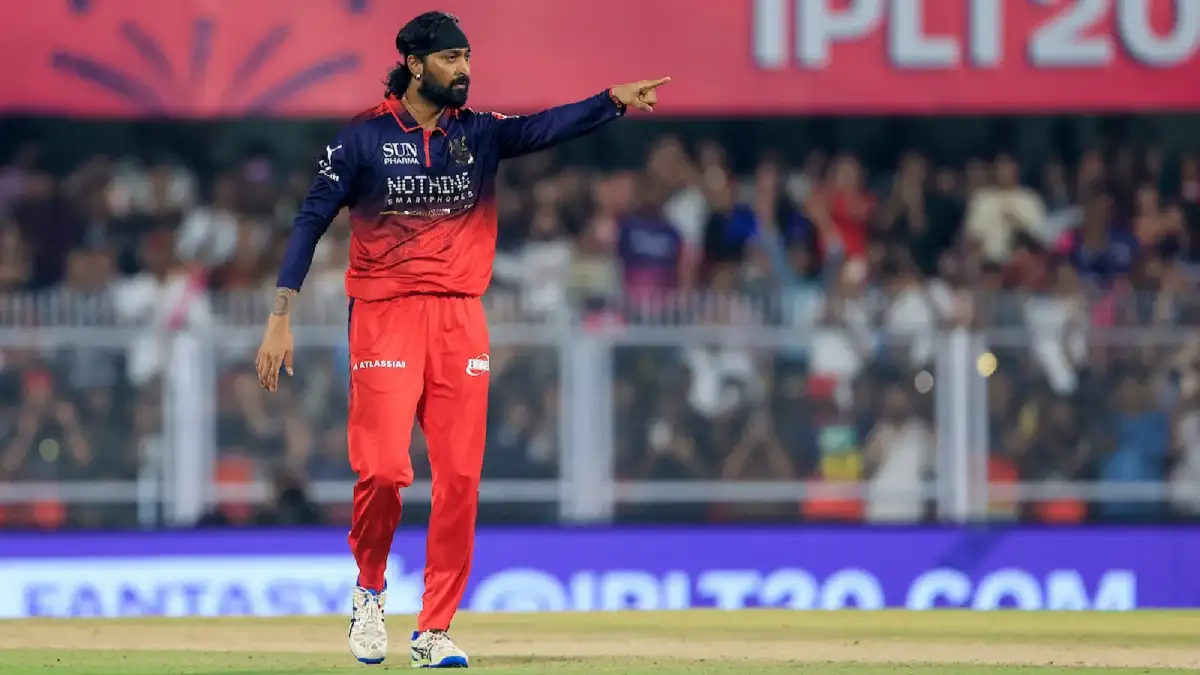
This evolution in bowling speed appears to be a deliberate development, rather than mere happenstance. Even players not typically known for pace, like spinner Krunal Pandya, are reportedly employing quicker deliveries, including the bouncer, at speeds exceeding 120 kph. This suggests a tactical shift across the league, with bowlers adapting to the demands of faster, more aggressive cricket.
More Than Just a Game
The IPL’s impact transcends the sport itself. It has been a catalyst for cricket’s transformation into a global entertainment phenomenon. Its fusion of "explosive sportsmanship, gripping endings, and superstar glamour" captivates audiences, making it a potent blend of sport and showbusiness.
The league's commercial success is undeniable. In a "short span," it generates "massive value," a feat unmatched in global cricket. This financial leverage allows the Board of Control for Cricket in India (BCCI) to command respect on the international stage, influencing scheduling and the broader cricket landscape.
Read More: RCB Score 155 vs GT in Ahmedabad Today
Contrasting Currents: Pace and its Perils
However, this focus on pace within the IPL arrives against a backdrop of concern for India's national bowling stocks. Recent reports indicate a "fast-bowling crisis" in the country, with a noticeable "dip in pace" and a scarcity of quality fast bowlers beyond established names like Jasprit Bumrah and Mohammed Siraj. Injuries and inconsistency have created a "deep void," a situation so acute that even players primarily known for batting are being called upon for occasional fast-bowling duties.
This paradox—a surge in high-speed bowling within a domestic league contrasted with national-level anxieties about the very same talent pool—underscores the complex dynamics at play. The IPL's ability to foster individual speed seems to be thriving, yet the sustainable development of a robust national fast-bowling pipeline remains a subject of significant debate and worry.
Background: The IPL Phenomenon
Since its inception, the IPL has consistently redefined cricket. Its model of "innovation and accessibility" has propelled the sport beyond its traditional boundaries, making it a truly global spectacle. The league's influence is so profound that it has effectively created its own ecosystem, dictating trends and priorities within the sport. This "T20 revolution," spearheaded by the IPL, has permanently altered cricket's economic, cultural, and competitive fabric.