The Delhi High Court has clarified that not all content pertaining to public figures can be automatically removed under personality rights law. The court stated that restrictions can only be imposed on content that is clearly defamatory or offensive.
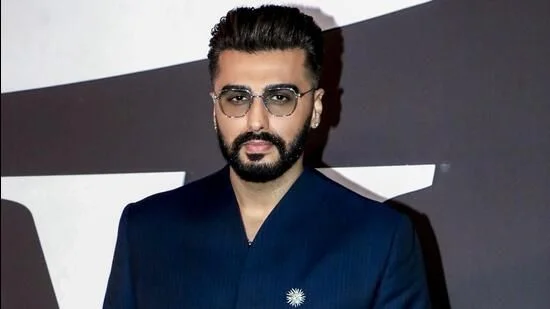
The clarification came during a hearing concerning actor Arjun Kapoor's plea for protection of his personality and publicity rights against unauthorized use of his image and likeness. Kapoor's counsel, Pravin Anand, argued that various defendants were commercially exploiting his persona through merchandise and the dissemination of sexually explicit material, deepfakes, and pornographic content. Anand specifically highlighted AI-generated visuals that he contended distorted Kapoor’s identity beyond harmless satire.

The court observed that restrictions cannot be imposed on all forms of content involving public personalities. When a person is in public glare, lot of things happen. But everything cannot come under that.
Justice Gedela, presiding over the case, noted that public figures are under constant public attention, and a distinction must be drawn between defamatory material and general expressions, satire, or creative output. The court indicated that overly broad restrictions could impinge upon existing legal precedents.
Read More: Supreme Court May Order Ayodhya Temple Fund Audit Due to Theft Claims
Kapoor's plea, filed against platforms like YouTube and Facebook, and tech companies Google LLC and Meta Platforms, sought to curb the unauthorized use of his image, name, and likeness for commercial purposes and the circulation of manipulated digital content. Anand argued that the contested content, including morphed images and explicit scenarios, went beyond parody and directly exploited the actor's public image for profit, causing emotional distress.
The High Court has a history of granting similar protections to various public figures, including Jubin Nautiyal, Vivek Oberoi, Allu Arjun, Mohanlal, Pawan Kalyan, Sunil Gavaskar, Karan Johar, and members of the Bachchan family. The court indicated it would issue a detailed interim order soon regarding Kapoor's request for protection.