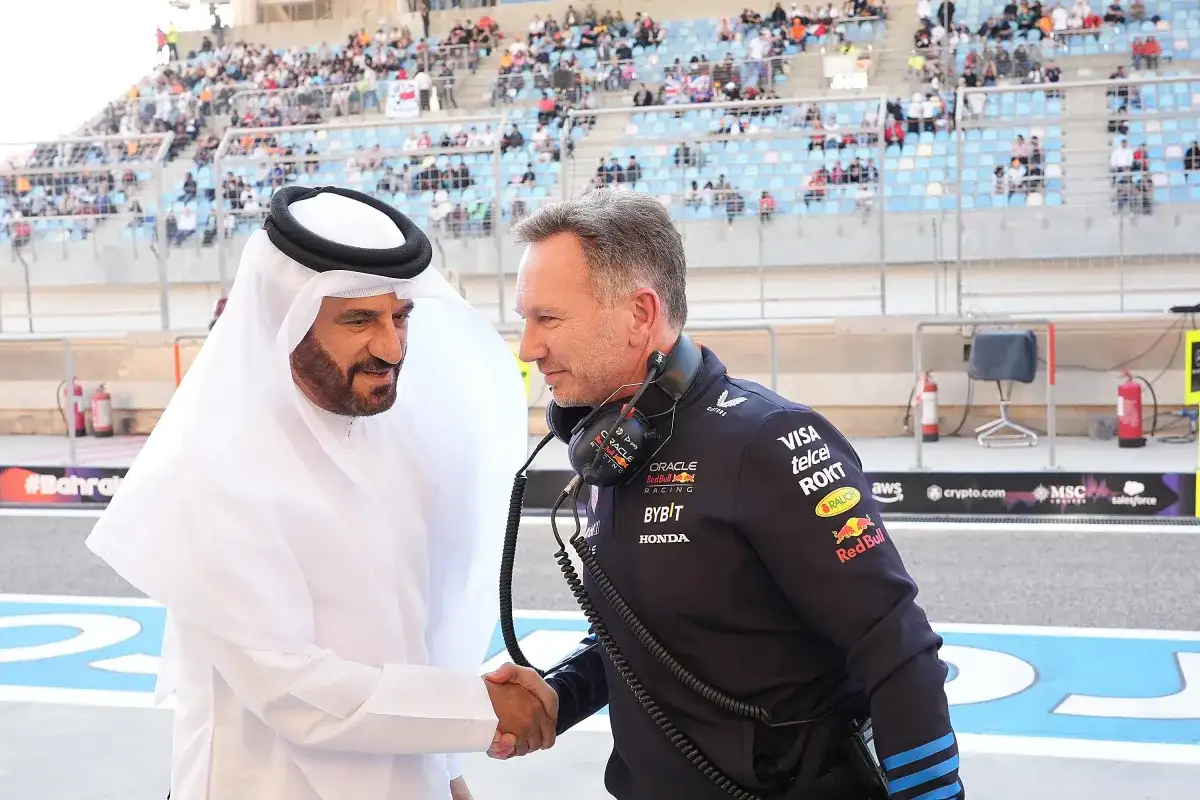
Recent seasons have seen a notable surge in young talent entering the pinnacle of motorsport, with several drivers making their Formula 1 debuts in their late teens. This trend highlights a shifting landscape where raw speed and potential, nurtured from early karting days, are increasingly prioritized over extensive experience. Drivers like Andrea Kimi Antonelli are set to become some of the youngest ever to compete, underscoring a significant developmental pathway that now sees prospects move rapidly from junior categories to the F1 grid.

The Accelerated Ascent
The journey from the amateur circuit to Formula 1 appears to be shortening, with racing academies and robust junior formulas playing a crucial role. Alex Dunne's recent F1 test with McLaren, following a strong performance in Formula 2, exemplifies this accelerated progression. His maiden F1 outing at Zandvoort, while serving as a development opportunity and a reward for his efforts, also served as a critical stepping stone towards a potential competitive debut. Dunne's experience highlights the increased simulator work and structured development programs now integral to preparing young drivers for the demanding F1 machinery.
Read More: Christian Horner to Attend 2026 British Grand Prix

Records Continue to Fall
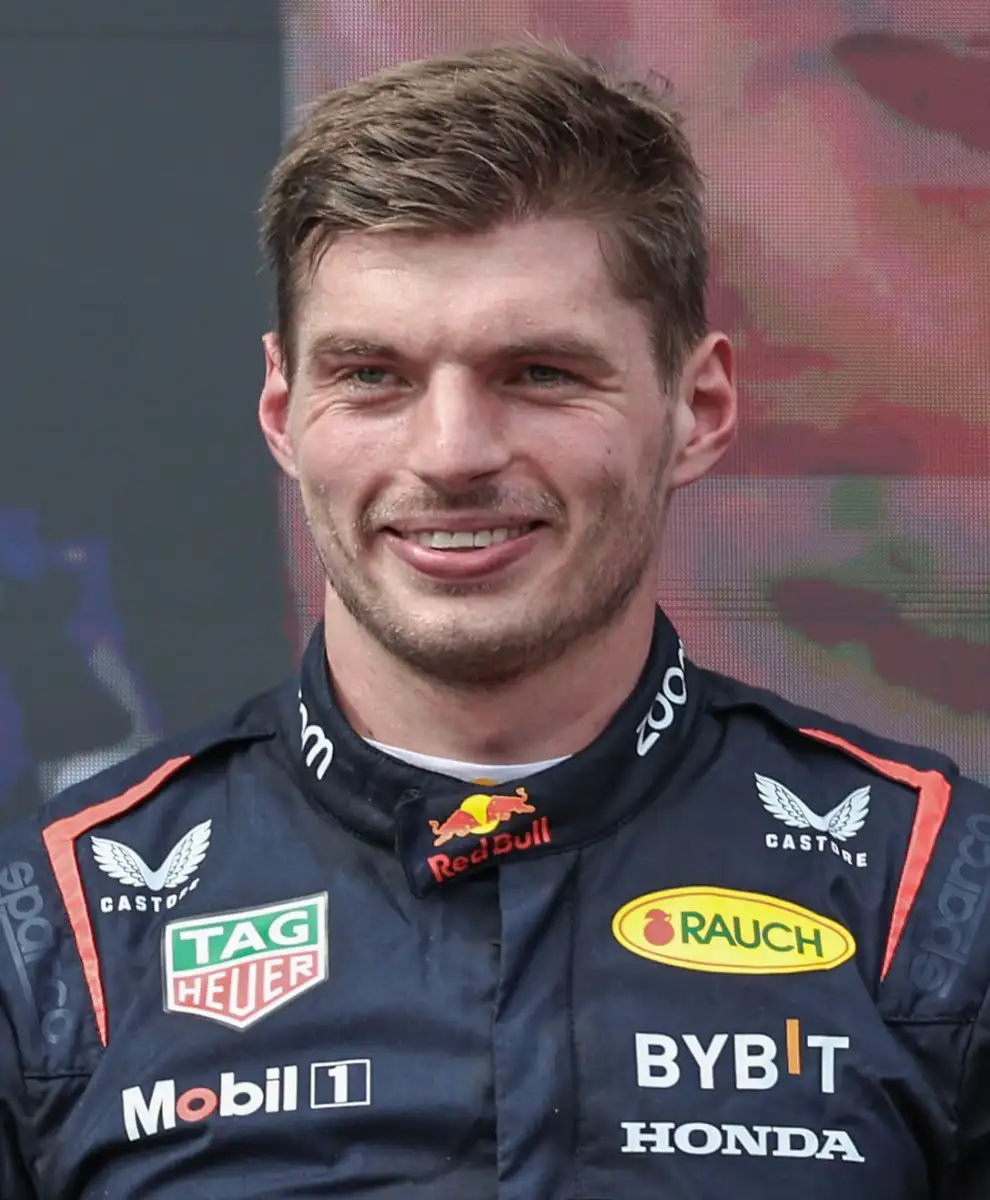
The historical benchmarks for young drivers are constantly being challenged. Max Verstappen remains a significant reference point, holding records for the youngest points scorer, race winner, and world champion. His debut at just 17 years and 166 days old for Toro Rosso set a precedent, demonstrating that age is becoming less of a barrier. More recently, Andrea Kimi Antonelli is slated to debut with Mercedes in 2025 at 18, positioning him as the third-youngest driver in F1 history. Other notable teenagers making their mark include Lance Stroll and Oliver Bearman, each having entered the sport in their late teens.
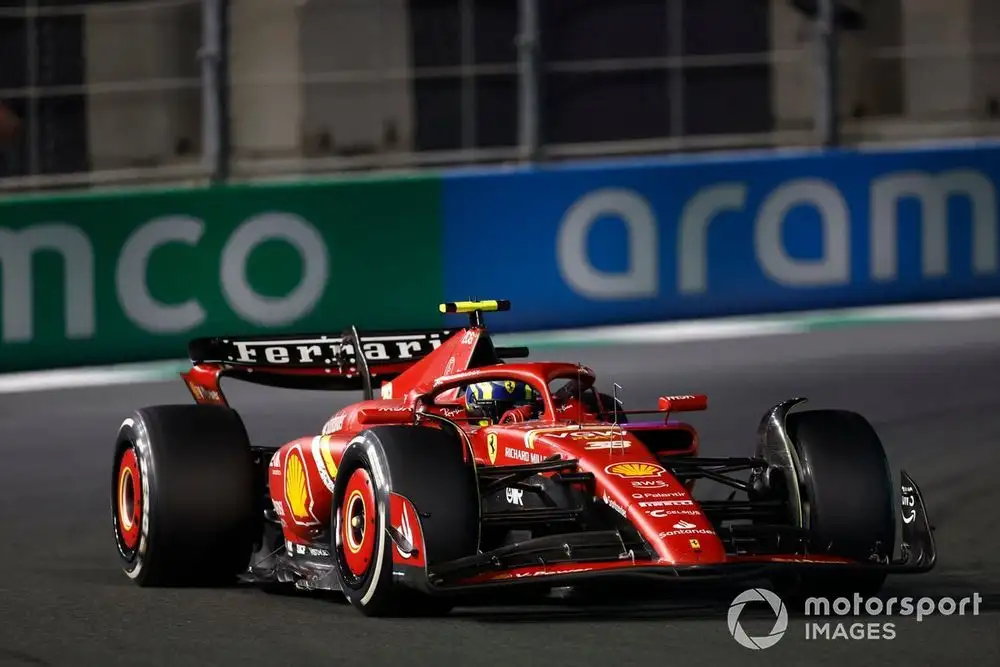
A Structured Path from Karting
The foundational step for many of these emerging talents remains karting. Legends like Lewis Hamilton and Max Verstappen both honed their skills on the karting track, a practice that continues to be the bedrock of driver development. The suggestion is that enrolling children in local karting clubs or specialized racing academies is the initial stride towards a professional motorsport career. This path often progresses through junior categories such as Formula 4 and Formula 3, before reaching the threshold of Formula 1.
Read More: George Russell Struggles: 43 Points Behind Teammate Antonelli
The Female Contingent
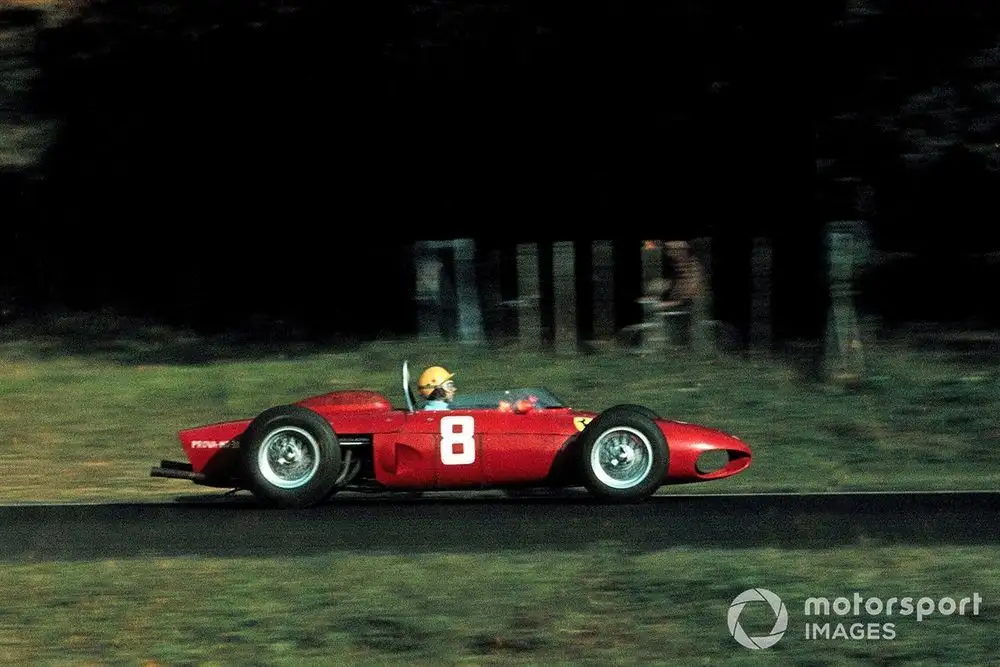
Within this evolving landscape, initiatives like the F1 Academy are providing a dedicated platform for female drivers. Chloe Chong's participation as one of the youngest drivers on the F1 Academy grid demonstrates a growing, albeit distinct, pathway for women in motorsport. Her early career experiences, including sharing track time with inspirations like Abbi Pulling, signal a developing ecosystem aimed at fostering talent regardless of gender.