Formula 1's governing body, the FIA, alongside teams and power unit manufacturers, has finalized a series of refinements to the 2026 regulations. These changes, agreed upon by all stakeholders, are set to be implemented before the upcoming Miami Grand Prix on May 3rd, with the stated aims of promoting more "flat-out driving" and improving safety across the sport.

==The most significant adjustments involve the electrical power unit (ERS). Peak "superclip" power has been raised from 250 kW to 350 kW. This escalation is intended to decrease the time spent on recharging the system and, consequently, reduce the burden of energy management on drivers. In race conditions, the maximum power available through the boost function will now be capped at +150 kW, or the car's current power level if it's lower at activation. This cap is designed to prevent abrupt performance disparities. Furthermore, overall maximum ERS deployment will be curtailed, a move expected to moderate torque and bolster car control, particularly in low-grip scenarios.=
Read More: George Russell Struggles: 43 Points Behind Teammate Antonelli
The FIA has also addressed concerns related to wet weather performance and visibility. Following feedback from drivers, the temperature of tyre blankets for intermediate tyres has been elevated. This adjustment aims to enhance initial grip and overall tyre performance when conditions are damp.
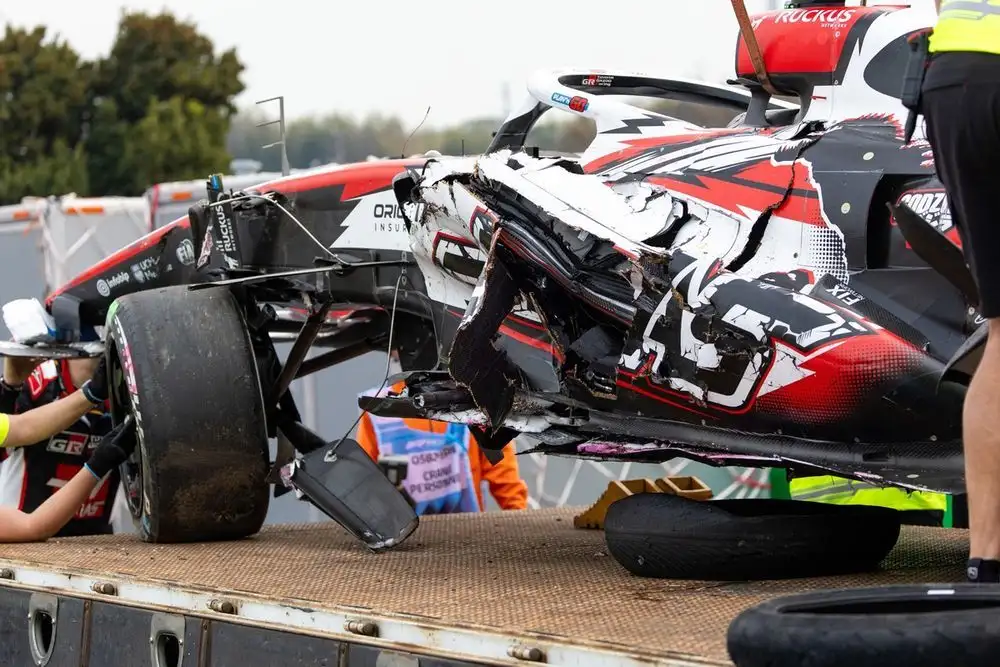
These rule refinements signal a direct response to observations and driver feedback from the initial races of the 2026 season. ==Discussions leading to these changes have focused heavily on "energy management" challenges, with drivers expressing concerns about the significant emphasis on this aspect, especially in qualifying. A particular safety worry highlighted by drivers and officials revolves around the substantial closing speeds that can occur when cars deplete their electric energy reserves on straights. The recent crash involving Haas driver Oliver Bearman in Japan has been cited as a stark example of these safety concerns.=
Read More: Miami Dolphins Move James Ester to Offense Today, Changing Team Plan
"The FIA has confirmed their commitment to making 'tweaks' to energy management regulations following a series of meetings with technical experts from teams and power unit manufacturers."
While the FIA states that these adjustments are not intended to fundamentally alter the 2026 regulations, they represent a deliberate effort to smooth out perceived rough edges and enhance the overall spectacle and safety of Formula 1. The process has involved a timeline of meetings, including discussions on sporting regulations to accommodate technical changes, with a final proposal set for an FIA World Motor Sport Council e-vote.
Background
The 2026 Formula 1 season is a new era for the sport, marked by significant technological shifts, particularly concerning the hybrid power units. The introduction of advanced energy recovery and deployment systems was designed to create a more complex and strategically demanding racing experience. However, early indications and driver feedback suggest that the implementation has led to unforeseen challenges, primarily revolving around the balance between performance, energy management, and safety.
Read More: Kimi Antonelli Takes Pole for 2026 Monaco Grand Prix
These latest adjustments underscore the dynamic nature of motorsport regulation, where continuous evaluation and adaptation are necessary to meet evolving technical possibilities and the fundamental expectations of drivers and fans alike. The Miami Grand Prix serves as the immediate proving ground for these revised guidelines.